



































 บริษัท เหวินโจว ไคซิน เมทัล จำกัด

If you are responsible for sourcing piping systems for your plant, refinery, or construction project, one question probably keeps coming back to your desk: how long will stainless steel last once it is installed and running under real operating conditions? The answer directly affects your total cost of ownership, your maintenance budget, and how confident you can be when you sign off on a supplier.
At KXINOX, we manufacture and supply ผลิตภัณฑ์ท่อสแตนเลสสตีล for B2B buyers across industrial, chemical, food processing, and construction sectors. In this guide, you will get a clear, practical breakdown of stainless steel pipe lifespan — the factors that shorten or extend it, how it compares to other materials, and what you can do today to protect your investment for decades.
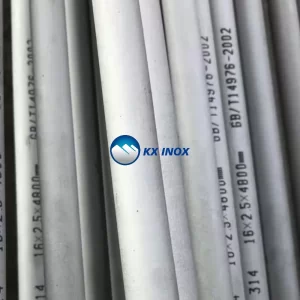
What Determines Stainless Steel Pipe Lifespan?
There is no single number that applies to every project. Your stainless steel pipe’s lifespan depends on several variables working together, and understanding them helps you make a smarter purchasing decision:
- Grade selection — 304, 316, 316L, and duplex grades all offer different corrosion resistance levels.
- Operating environment — exposure to chlorides, acids, humidity, or coastal air accelerates wear.
- Fabrication quality — poor welding or improper heat treatment can create weak points long before the base metal fails.
- Installation practices — incorrect jointing or support can introduce stress corrosion cracking over time.
- Maintenance routine — regular inspection and cleaning significantly extend service life.
When you evaluate a supplier, ask how each of these factors is controlled during manufacturing. This is one of the biggest differences between a pipe that lasts 20 years and one that lasts 80.
How Long Will Stainless Steel Last in Industrial Use?
Under normal industrial conditions, properly specified and installed stainless steel pipe can realistically last 50 to 100+ years. This is one of the reasons stainless steel remains the preferred choice for businesses that cannot afford unplanned downtime or frequent pipeline replacement.
| เกรด | Typical Environment | Expected Lifespan |
| เหล็กinox 304 | Mild indoor / general industrial use | 40–70 years |
| 316 / 316L Stainless Steel | Chemical, marine, high-chloride environments | 70–100+ years |
| Duplex Stainless Steel | Aggressive chemical / offshore conditions | 80–100+ years |
These figures assume correct grade selection for your application. If you install a general-purpose grade in a highly corrosive environment, you will shorten the life period of steel pipe considerably — regardless of how well it was manufactured.
How Durable Is Stainless Steel Compared to Other Pipe Materials?
When you compare total lifecycle cost, stainless steel consistently outperforms alternative materials for demanding B2B applications:
- Carbon steel pipe typically lasts 15–25 years before corrosion-related failure, often requiring protective coatings.
- Galvanized steel pipe offers moderate protection but the zinc coating degrades over 20–40 years, exposing the base metal.
- PVC/plastic piping resists corrosion but has lower temperature and pressure tolerance for heavy industrial use.
- ท่อสแตนเลส combines high mechanical strength, temperature resistance, and long-term corrosion resistance in one material.
For your business, this means fewer replacement cycles, lower long-term maintenance costs, and more predictable capital planning — even though the upfront cost may be higher than carbon steel or plastic alternatives.
Corrosion Resistant Stainless Steel Pipes: The Real Key to Longevity
Corrosion is the number one cause of premature pipe failure, and it is also the main reason stainless steel outlasts other materials. The chromium oxide layer on the surface of stainless steel self-repairs when scratched or exposed to oxygen, which is what makes corrosion resistant stainless steel pipes so reliable in demanding environments.
However, corrosion resistance is not automatic — it depends heavily on the grade you choose and the conditions your pipeline will face. If you have ever wondered whether your piping is at risk of rust or pitting, our detailed breakdown answers this directly: will 304 stainless steel pipe rust? The ultimate guide to SS 304 corrosion resistance.
Choosing the Right Grade and Standard for Your Industrial Stainless Steel Pipe
Before you finalize a purchase order, you need to confirm that the pipe meets the correct international standard for your industry and region. Mismatched standards are a common cause of compliance issues and unexpected performance problems down the line.
If you are unsure how different classification systems compare, this guide will help you specify with confidence: AISI vs ASTM: understanding the standards for stainless steel pipes.
Where Industrial Stainless Steel Pipe Lifespan Matters Most for Your Business
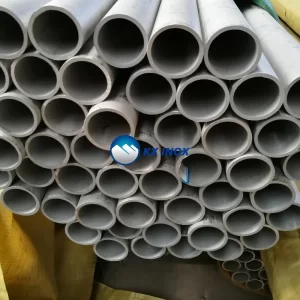
Certain industries have very little tolerance for pipeline failure, which makes lifespan a critical procurement criterion rather than a secondary consideration:
- Oil & gas and petrochemical — high pressure, high temperature, and corrosive media demand proven durability.
- Food and beverage processing — hygiene standards require corrosion-free, easy-to-clean piping over long service periods.
- Pharmaceutical and chemical manufacturing — purity and resistance to aggressive chemicals are non-negotiable.
- Construction and infrastructure — long building lifecycles require piping that will not need mid-life replacement.
If your business operates in any of these sectors, an industrial stainless steel pipe built to the correct specification is not a luxury — it is a direct driver of operational uptime and long-term ROI.
5 Ways to Extend the Life Period of Your Steel Pipe
Even the best material will underperform without the right practices. Here is how you can protect your investment and get the maximum service life from your pipeline:
- Select the correct grade for your specific chemical and temperature exposure.
- Passivate the pipe surface after fabrication to restore and strengthen the protective oxide layer.
- Avoid prolonged chloride contact, including cleaning agents that contain chlorides.
- Schedule regular inspections to catch pitting or stress points before they become failures.
- Work with an experienced manufacturer who controls welding quality and material traceability from the start.
Why Businesses Choose KXINOX for Stainless Steel Pipeline Products
You need a supplier who understands that pipeline failure is not just a maintenance issue — it is a business risk. At KXINOX, we manufacture ผลิตภัณฑ์ท่อสแตนเลสสตีล engineered for long-term performance, backed by strict quality control, verified material certification, and support for both stock and custom B2B orders.
Whether you are sourcing for a single project or building a long-term supply relationship, our team can help you specify the right grade and standard for your application — so your pipeline lasts as long as your business needs it to.
Request a Free Quote From KXINOX
FAQs
1. How long will stainless steel pipe last?
Depending on the grade and environment, stainless steel pipe typically lasts between 40 and 100+ years in industrial applications.
2. How durable is stainless steel compared to carbon steel?
Stainless steel is significantly more durable in corrosive environments, often lasting two to four times longer than untreated carbon steel pipe.
3. What is the average life period of steel pipe in industrial settings?
Most industrial installations report a service life of 40–80 years when the correct grade is used and maintenance is followed.
4. Does 316 stainless steel pipe last longer than 304?
Yes. 316 contains molybdenum, which improves resistance to chlorides and marine environments, giving it a longer expected lifespan in harsh conditions.
5. What causes stainless steel pipes to fail early?
Common causes include incorrect grade selection, poor welding quality, chloride exposure, and lack of routine inspection.
6. Are corrosion resistant stainless steel pipes maintenance-free?
No. While they require far less maintenance than other materials, periodic inspection and proper cleaning are still recommended to maximize lifespan.
7. Can industrial stainless steel pipe be used in coastal or chemical environments?
Yes, with the right grade — typically 316 or duplex stainless steel — pipes can perform reliably even in aggressive coastal or chemical settings.
8. How do I extend the lifespan of my stainless steel pipeline?
Choose the correct grade, ensure proper passivation, avoid chloride buildup, and schedule regular professional inspections.
9. What’s the difference between welded and seamless stainless steel pipe lifespan?
Seamless pipe generally offers slightly higher pressure resistance, while high-quality welded ss steel pipe can achieve comparable lifespan when fabrication standards are strictly controlled.
10. How do I choose the right supplier for long-term reliability?
Look for a manufacturer with verified certifications, transparent material traceability, and experience supplying your specific industry.
Your pipeline is a long-term investment, and the right material choice today can save your business decades of maintenance costs and downtime. If you are ready to source stainless steel pipe built for maximum lifespan, our team at KXINOX is ready to help.