 Công ty TNHH Kim loại Kaixin Wenzhou

Bảng kích thước ống: Hướng dẫn toàn diện
A tube size chart helps you compare diameter, wall thickness, length, and fit across different kinds of tubing. Because “tube size” can mean different things in plumbing, fabrication, BMX bike geometry, and veterinary airway equipment, the safest approach is to read each chart in context instead of assuming one measurement system applies everywhere. This guide explains how to understand a tube chart size, what to measure, and where common chart types differ.
What does a tube size chart actually show?
A tube bảng kích cỡ shows the measurements that determine whether a tube will fit, flow, support weight, or function safely in its intended application. In most cases, the key figures are outside diameter, inside diameter, wall thickness, and length, but some industries use special naming conventions that do not match the tube’s exact physical size.
That is why a tubing diameter chart is useful only when you know what kind of tubing you are working with. A metal fabrication tube chart may focus on outside diameter and wall thickness. A pipe kích thước chart may use nominal pipe size, which can be different from the actual measured diameter. A BMX top tube bảng kích cỡ focuses on rider fit, not fluid flow or wall thickness.
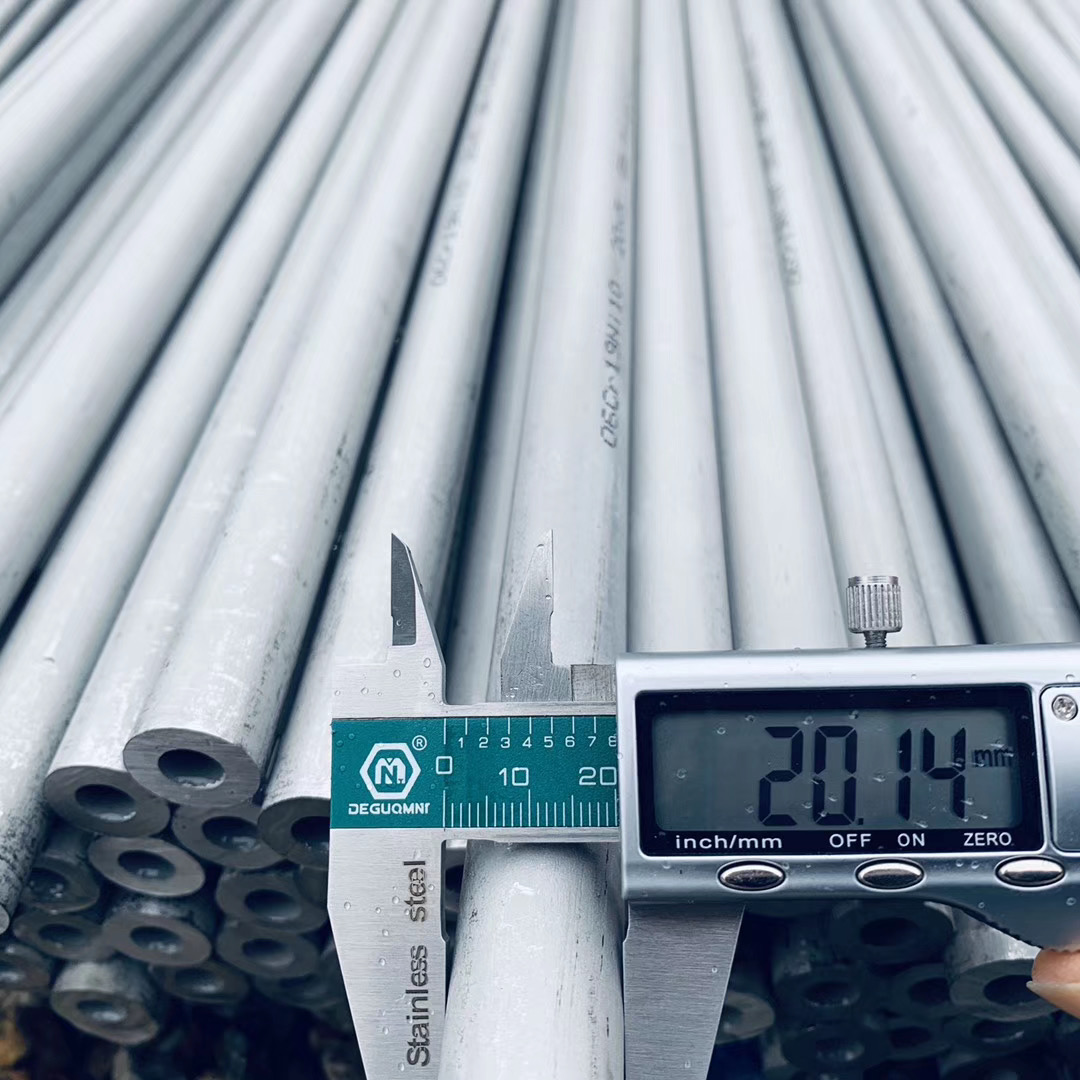
Close-up of calipers measuring round metal tubing diameter
Core tube measurements to understand
Before using any tube size chart, identify which dimension matters most for your project. A tube can look right but still be wrong if the inside clearance, wall strength, or length does not match the application.
Common measurements include:
- Đường kính ngoài The full width across the outside of the tube. This is often the most important measurement for clamps, frames, sleeves, and fittings that go around the tube.
- Đường kính trong The open space inside the tube. This matters for airflow, liquid flow, cable routing, and anything that must pass through the tube.
- Wall thickness The thickness of the tube material. A thicker wall may improve strength but reduces inside diameter when the outside diameter stays the same.
- Chiều dài The total tube span. In some contexts, such as BMX sizing or veterinary endotracheal tubes, length is just as important as diameter.
- Nominal size A trade size or label that may not equal the exact measured size. This is especially important when comparing tubing with a kích thước ống chart.
Tubing and pipe sizing are not always the same
Tubing is commonly described by actual outside diameter and wall thickness, while pipe is often described by nominal pipe size and schedule. This difference causes confusion because a “1-inch” pipe may not measure exactly one inch across the outside or inside.
When using a pipe size chart, look for both the nominal size and the actual dimensions. The schedule or wall category can change the inside diameter even when the nominal pipe size stays the same. For plumbing, irrigation, compressed air, and industrial uses, the fitting standard matters as much as the measurement.
For general tubing, the chart may be more direct. You might see an outside diameter listed with wall thickness options, then use those figures to calculate or confirm the inside diameter. This is common for metal, plastic, rubber, and structural tubing.
A practical tubing diameter chart framework
Instead of relying on one universal chart, use this framework to organize the information you need. It works for most general-purpose tubing, whether you are checking replacement parts, planning a build, or comparing materials.
For each tube, record:
- Chất liệu: steel, aluminum, copper, PVC, silicone, rubber, or another material.
- Outside diameter: needed for external fit and compatibility.
- Inside diameter: needed for flow, clearance, or inserted parts.
- Wall thickness: needed for strength, pressure, flexibility, and durability.
- Length: needed for reach, geometry, or installation space.
- Ứng dụng: plumbing, frame building, medical/veterinary use, hobby work, automotive, or industrial use.
- Standard or system: nominal pipe sizing, metric tubing, imperial tubing, manufacturer-specific sizing, or specialty sizing.
This approach prevents a common mistake: choosing a tube based only on one number. If you match outside diameter but ignore inside diameter, a hose barb, cable, or airflow requirement may fail. If you match inside diameter but ignore wall thickness, the tube may not fit its clamp or support the expected load.
How do you choose the right tube size?
Choose the right tube size by matching the chart to the job first, then confirming the measurements that affect fit, function, and safety. A tube for a bike frame, a water line, and a veterinary airway cannot be selected with the same criteria, even if the diameter numbers look similar.
Use this quick checklist before ordering, cutting, or installing tubing:
- Confirm whether the chart uses inside diameter, outside diameter, or nominal size.
- Check whether the measurement is metric or imperial.
- Match the tube to the correct material and standard.
- Verify the needed wall thickness or schedule.
- Consider whether the tube must handle pressure, load, movement, heat, or biological use.
- Review manufacturer or professional guidance for specialized applications.
- When safety is involved, do not estimate from appearance alone.
Dog endotracheal tube sizing needs professional judgment
A dog endotracheal tube size chart, sometimes searched as an et tube size chart dogs, is used in veterinary settings to help estimate airway tube size. This is a clinical application, so charts should not replace veterinary training, patient assessment, or professional judgment.
In dogs, tube choice can depend on breed, body size, airway anatomy, procedure type, and the patient’s condition. A chart may provide a general starting point, but the veterinary team must confirm fit and placement using appropriate clinical methods. Selecting an endotracheal tube that is too large or too small can create serious airway and ventilation problems.
For educational content, it is safest to describe dog ET tube charts as reference tools rather than do-it-yourself instructions. Pet owners should not attempt airway equipment selection or placement. Veterinary professionals should rely on their training, clinic protocols, and current equipment guidance.
Common tube chart mistakes
Many sizing problems happen because the chart is correct, but the reader applies it to the wrong system. A tube size chart for structural tubing is not interchangeable with a pipe size chart, and neither should be used for BMX frame fit or veterinary airway equipment.
Avoid these mistakes:
- Treating nominal pipe size as an exact physical diameter.
- Mixing metric and imperial measurements without conversion.
- Không tính đến độ dày của tường.
- Assuming inside diameter and outside diameter are interchangeable.
- Using a generic tube chart size for a specialized product.
- Forgetting that fittings, clamps, sleeves, and connectors may have their own tolerances.
- Choosing based on diameter alone when length, material, or flexibility also matters.
Best practices for reading any tube chart
Start with the application, then work backward to the measurement system. If you need fluid movement, inside diameter and pressure compatibility may matter most. If you need structural support, outside diameter, wall thickness, material, and load conditions become more important.
For replacement parts, measure the existing tube with calipers when possible and compare it with the chart. For new designs, check both the tube and every part it connects to. If the tube is part of a regulated, medical, veterinary, pressurized, or load-bearing system, use the chart as a reference and confirm the final choice with a qualified professional or manufacturer documentation.
Key takeaways
A tube size chart is most useful when you know which dimensions the chart is actually showing. Tubing diameter chart data usually focuses on real measurements, while a pipe size chart may rely on nominal labels and schedules. Specialty charts, such as a bmx top tube size chart or dog endotracheal tube size chart, serve very different purposes and should be read within their own field.
The best choice is rarely based on one number. Match the tube to the application, confirm the measurement system, check inside and outside dimensions, and account for wall thickness, material, length, and safety requirements. When the application is specialized or high risk, use the chart as a guide—not the final authority.
 English
 Afrikaans
 Arabic
 Bengali
 Catalan
 Chinese
 French
 Dutch (Belgium)
 Dutch
Dutch German
 Czech
Czech Greek
Greek Hindi
Hindi Japanese
 Italian
 Portuguese
 Spanish (Chile)
 Spanish (Colombia)
 Spanish (Argentina)
 Persian
 Estonian
 Albanian
 Russian
 Spanish (Peru)
 Indonesian
 Thai
Thai Vietnamese
 Georgian
 Korean
 Nepali
 Polish
 Ukrainian
 Malayalam
 Xhosa
Xhosa