 Wenzhou Kaixin Kaixin Metal Co.,LTD

stainless steel pipe cooling system
A stainless steel pipe cooling system moves chilled water, glycol, refrigerant, or process fluids through a facility while supporting clean operation, corrosion resistance, and long service life. When the system is planned well, stainless steel pipes can improve reliability in demanding settings such as food production, pharma, manufacturing, marine facilities, and commercial buildings. The key is to match the pipe material, layout, insulation, and maintenance plan to the cooling load and operating conditions.
What makes stainless steel a strong choice for cooling systems?
Stainless steel is widely used in cooling system design because it combines strength, temperature tolerance, and resistance to many forms of corrosion. In a pipe cooling system, those qualities matter because fluid movement, condensation, cleaning chemicals, and shifting temperatures can all stress the piping network. Stainless steel cooling components are especially useful where hygiene, durability, or exposure resistance are priorities.
Unlike some materials that may fail fast in harsh or washdown settings, stainless steel can support steady performance when it is specified well. It also offers a smooth internal surface, which can help reduce areas where dirt or buildup may collect. That makes it a practical option for industries where both cooling performance and cleanliness matter.
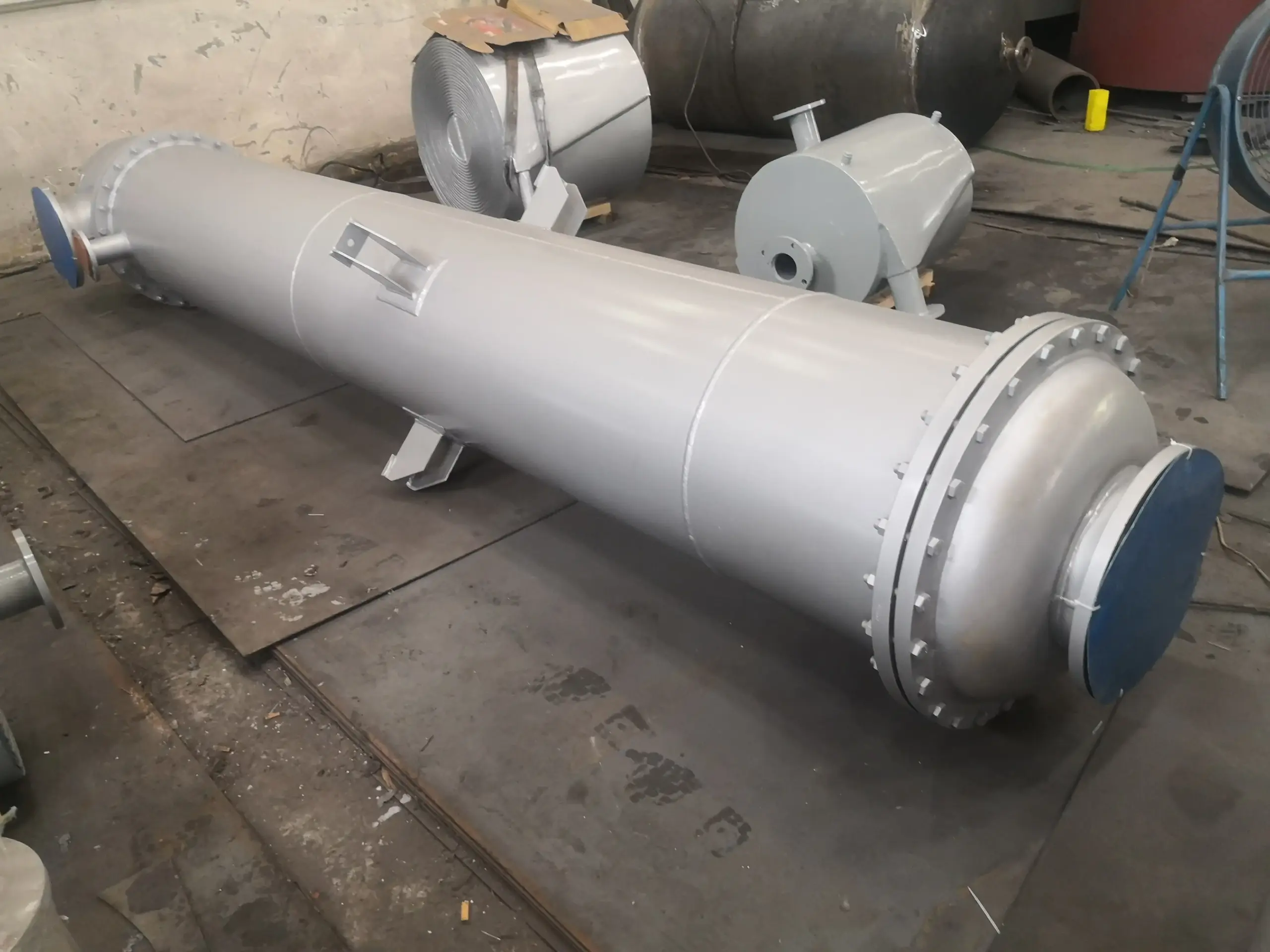
Core uses for stainless steel cooling
Stainless steel applications vary widely, but cooling systems tend to share a few common goals: move heat away from equipment, protect product quality, and keep processes within a set temperature range. The exact system may be simple or complex depending on the facility.
Common uses include:
- Process cooling: Stainless steel pipes can carry chilled fluids to machinery, tanks, heat exchangers, or production lines.
- Food and beverage facilities: Stainless steel supports sanitary spaces where pipes may be exposed to moisture, cleaning routines, and temperature changes.
- Pharma and lab spaces: Cooling lines often need materials that are cleanable, durable, and fit controlled environments.
- Marine and coastal sites: Stainless steel may be selected where corrosion resistance is needed because of humidity, salt exposure, or harsh surroundings.
- Commercial and industrial HVAC: A stainless steel pipe cooling system can serve chilled water loops, plant rooms, and special cooling zones.
The best use case depends on fluid chemistry, pressure, temperature, installation locati0n, and maintenance expectations. Stainless steel is not chosen simply because it looks strong; it is chosen when its properties solve a real operating challenge.
Good cooling system design starts with the load
A dependable system begins with understanding how much heat must be removed, where it comes from, and how steady the demand will be. Cooling system design should account for peak loads, part-load operation, future expansion, and the distance between the cooling source and the equipment being served. If the piping is undersized, the system may struggle to deliver enough flow. If it is oversized, costs and installation complexity can rise needlessly.
Designers also need to consider pressure drop, pump energy, pipe routing, valves, drains, vents, and access for service. Stainless steel pipes are durable, but the system still needs practical support spacing, proper joining methods, and protection from avoidable stress. Expansion and contraction should also be addressed, especially where temperature swings are frequent.
A useful early checklist includes:
- Define the required cooling temperature and flow rate.
- Identify the fluid type, including additives such as glycol or treatment chemicals.
- Review pressure, temperature, and corrosion conditions.
- Plan pipe routes that reduce unnecessary bends and dead legs.
- Choose matching fittings, valves, gaskets, and supports.
- Include access points for inspection, cleaning, and maintenance.
How do pipe insulation methods affect performance?
Pipe insulation methods directly affect energy efficiency, condensation control, and operating stability. In chilled-water and other low-temperature systems, bare or poorly insulated pipes can absorb unwanted heat from the surrounding space, forcing the cooling equipment to work harder. Insulation also helps prevent surface condensation, which can lead to dripping, corrosion of nearby components, slippery floors, or damage to building materials.
The right insulation depends on pipe temperature, ambient conditions, humidity, fire requirements, and whether the installation is indoors, outdoors, or in a washdown area. Closed-cell insulation is often considered for chilled lines because it helps resist moisture intrusion. Vapor barriers are also important; even high-quality insulation can fail if humid air reaches the cold pipe surface.
Practical insulation considerations include:
- Seal joints, seams, and penetrations carefully to reduce moisture entry.
- Protect insulation in high-traffic areas with jacketing or guards.
- Use weather-resistant coverings for outdoor pipework.
- Avoid compressing insulation at supports, as this can create thermal bridges.
- Inspect insulation often for tears, gaps, wet areas, or loose vapor barriers.
Insulation should be treated as part of the cooling system, not as a finishing detail. A well-insulated stainless steel pipe cooling system is easier to control and usually more economical to operate.
Material choice and fit matter
Not all stainless steel grades or finishes are right for every environment. The correct choice depends on the cooling fluid, cleaning practices, chloride exposure, temperature range, and regulatory expectations. For example, a system exposed to harsh chemicals or coastal air may need a different grade than one installed in a dry mechanical room.
Fit also extends beyond the pipe itself. Mixed metals, bad fasteners, or mismatched fittings can create avoidable corrosion risks. Gaskets and seals must be selected for the fluid and temperature range. If welding is used, installation quality and post-weld cleaning can affect long-term performance.
This is where early coordination pays off. Engineers, installers, maintenance teams, and facility managers should agree on the expected operating conditions before finalizing the material specification. That shared view helps prevent expensive changes once pipework is already installed.
Installation details that protect long-term reliability
Even excellent materials can underperform when installation details are rushed. Stainless steel pipes should be handled in ways that avoid picking up dirt from carbon steel tools, debris, or grinding dust. Pipe runs should be supported properly so weight, vibration, and thermal movement do not place excess strain on joints or equipment connections.
Good installation practice also means thinking ahead. Valves should be located where people can reach them. Low points may need drains, and high points may need vents. Where the pipe cooling system supports critical production, bypasses or isolation points can make maintenance easier without stopping the entire process.
Before startup, the system should be cleaned, flushed, pressure tested, and checked for leaks according to the project requirements. Controls, pumps, and sensors should also be verified so the piping network and cooling equipment work together rather than as separate pieces.
What maintenance keeps a stainless steel pipe cooling system working well?
Regular maintenance keeps the system efficient and helps catch small problems before they become major failures. Stainless steel is low maintenance compared with many alternatives, but it is not maintenance-free. Cooling fluids, insulation, valves, supports, and joints all need periodic attention.
A practical maintenance plan may include:
- Checking for leaks, vibration, unusual noise, or damaged supports.
- Inspecting insulation for moisture, gaps, and surface damage.
- Monitoring fluid quality, including treatment levels where applicable.
- Cleaning strainers, filters, or heat exchanger surfaces as needed.
- Confirming valves operate correctly and are clearly labeled.
- Looking for signs of external staining, pitting, or corrosion at vulnerable points.
Maintenance records are useful because they reveal patterns. If the same section of pipe repeatedly shows condensation, insulation damage, or corrosion, the root cause may be design-related rather than a one-time repair issue.
Bringing performance, durability, and value together
A stainless steel pipe cooling system works best when material choice, cooling system design, pipe insulation methods, and maintenance are treated as one complete strategy. Stainless steel offers strong advantages in many demanding environments, but those advantages depend on correct specification and careful installation.
For facility teams, the practical takeaway is simple: define the cooling need first, then build the piping plan around real operating conditions. With the right design choices, stainless steel cooling systems can support efficient heat removal, cleaner operation, and dependable performance over the long term.
Q&A
Question: Why is stainless steel often preferred for cooling systems in demanding facilities?
Short answer: Stainless steel is valued because it offers strength, temperature tolerance, corrosion resistance, and a smooth internal surface. These qualities are useful in places where pipes face moisture, cleaning chemicals, shifting temperatures, or hygiene rules, such as food production, pharma, marine sites, and industrial facilities.
Question: What should be considered before sizing stainless steel cooling pipes?
Short answer: The system should be designed around the actual cooling load first. Key factors include the required cooling temperature, flow rate, fluid type, pressure drop, pipe routing, peak and part-load operation, future expansion, and service access. Undersized pipes may limit flow, while oversized pipes can increase cost and installation complexity.
Question: How does insulation improve the performance of a stainless steel pipe cooling system?
Short answer: Insulation helps reduce unwanted heat gain, keeps the cooling system more stable, and helps prevent condensation on cold pipe surfaces. Proper pipe insulation methods, including sealed joints and vapor barriers, can reduce energy waste and protect nearby components, floors, and building materials from moisture-related damage.
Question: Is stainless steel maintenance-free in cooling applications?
Short answer: No. Stainless steel is usually low maintenance, but the full cooling system still needs regular inspection. Facility teams should check for leaks, damaged insulation, vibration, fluid quality issues, valve problems, support damage, and signs of staining, pitting, or corrosion at vulnerable points.
Question: Why does fit matter beyond the stainless steel pipe itself?
Short answer: The full system includes fittings, valves, fasteners, gaskets, seals, supports, and sometimes welded joints. If these parts are not a good fit for the fluid, temperature range, cleaning practices, or site, they can create corrosion risks, leaks, or early performance problems.
 English
 Afrikaans
 Arabic
 Bengali
 Catalan
 Chinese
 French
 Dutch (Belgium)
 Dutch
Dutch German
 Czech
Czech Greek
Greek Hindi
Hindi Japanese
 Italian
 Portuguese
 Spanish (Chile)
 Spanish (Colombia)
 Spanish (Argentina)
 Persian
 Estonian
 Albanian
 Russian
 Spanish (Peru)
 Indonesian
 Thai
Thai Vietnamese
 Georgian
 Bhojpuri
 Moroccan Arabic
 Korean
 Nepali
 Polish
 Ukrainian
 Malayalam
 Xhosa
Xhosa