 Wenzhou Kaixin Kaixin Metal Co.,LTD
Beneficis de l'ús de plaques de bobina d'acer inoxidable
Stainless Steel Coil Plate gives manufacturers, fabricators, contractors, and distributors a practical way to source corrosion-resistant steel in a format that is efficient to store, process, and convert into finished parts. Available across commonly requested stainless steel grades, coil plate can be cut, slit, leveled, formed, and fabricated into stainless steel sheets, panels, components, and structural or decorative applications. If you need steel coil products that balance durability, clean appearance, and long service life, stainless steel coil plate is a dependable choice for demanding environments.
What makes Stainless Steel Coil Plate a smart material choice?
Stainless Steel Coil Plate is valued because it combines the strength of steel with the corrosion resistance of stainless alloying elements, then delivers that material in a continuous roll format. Instead of buying only pre-cut stainless steel sheets or individual plates, buyers can source stainless steel rolls that support flexible downstream processing. This helps reduce handling complexity, improve material planning, and support consistent production runs.
The main advantage is practical versatility. A single coil can be processed into different lengths, widths, and flat sheet formats depending on the job, which is useful for shops that serve multiple industries or need repeatable steel sheet metal supply. For purchasing teams, project managers, and fabricators, that flexibility can simplify sourcing while still offering the performance expected from stainless steel.
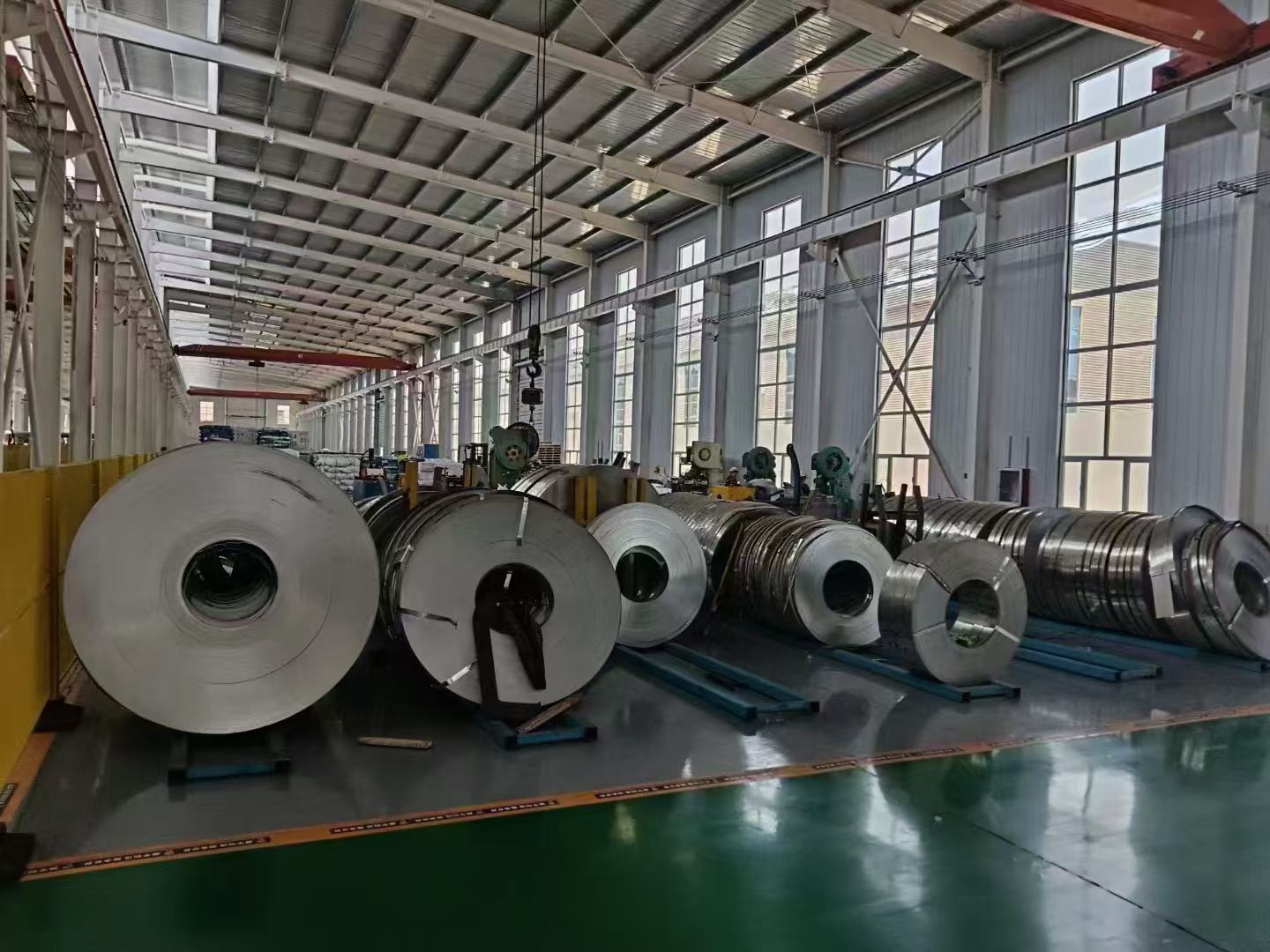
Stainless steel coil plate roll in a warehouse
Built for corrosion resistance and long-term performance
Stainless steel is often selected when ordinary carbon steel may not provide enough protection against moisture, chemicals, weather exposure, or frequent cleaning. Coil plate brings that same advantage into a format designed for efficient processing. The result is a material that can support both industrial performance and a clean finished appearance.
Different Graus d'acer inoxidable offer different balances of corrosion resistance, strength, formability, weldability, and cost. For example, some grades are commonly chosen for general fabrication and indoor or mildly corrosive settings, while others are selected for harsher environments or applications where exposure to chlorides, cleaning agents, or outdoor conditions is a concern. Because the correct grade depends on the application, buyers should match the material to the operating environment rather than selecting by price alone.
For many projects, the benefit is not only how the steel performs on day one. Stainless steel coil plate can help reduce the need for frequent coating, painting, or premature replacement when compared with materials that are more vulnerable to corrosion. That makes it especially attractive for equipment, enclosures, panels, processing environments, transport components, and architectural uses where both durability and appearance matter.
A versatile format for fabrication, cutting, and forming
Coil plate is designed for conversion. Steel plate suppliers and processors can turn stainless steel rolls into finished or semi-finished material forms that fit specific production needs. This makes it useful for businesses that do not want to be locked into one fixed sheet size or plate format.
Common processing options may include:
- Cut-to-length processing for turning coil into flat stainless steel sheets.
- Slitting for creating narrower coil widths suited to specific equipment or components.
- Leveling to produce flatter steel sheet metal for fabrication or finishing.
- Shearing or blanking for repeatable part sizes.
- Forming and bending for panels, housings, brackets, trims, and fabricated assemblies.
- Welding and joining when the selected stainless grade and process are suitable.
- Surface finishing depending on the desired appearance and end-use requirements.
This processing flexibility is one reason stainless steel coil plate is widely used across fabrication supply chains. A manufacturer may need long runs of consistent material for repeat parts, while a contractor may need sheets cut to suit project dimensions. Coil format supports both needs when paired with the right processing capabilities.
Key benefits for buyers and production teams
Choosing coil plate is not just a material decision. It affects inventory, workflow, fabrication options, and finished product performance. When stainless steel is the right alloy family for the job, coil plate can make sourcing and production more efficient.
Important benefits include:
- Flexible sizing: Coil can be processed into the lengths and widths needed for different orders, reducing dependence on only standard sheet sizes.
- Consistent material supply: Stainless steel rolls support repeat production because material can be processed from the same coil lot when available.
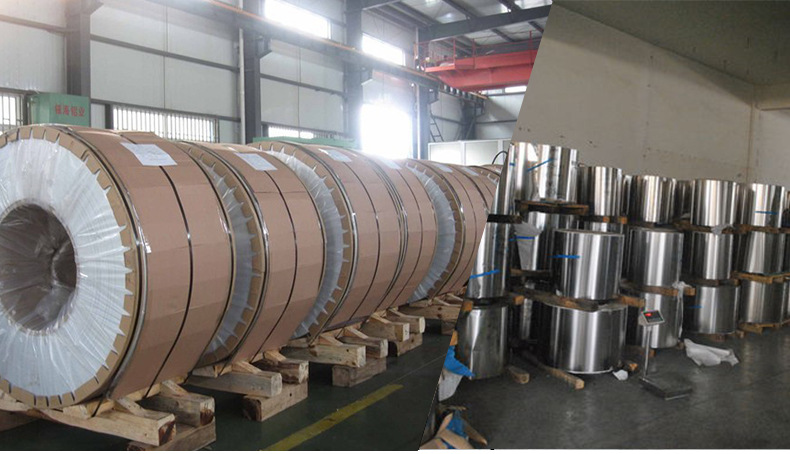
- Efficient storage: Rolled coil can be easier to store and manage than large quantities of individual sheets, depending on facility layout and handling equipment.
- Reduced processing waste: Cut-to-length and slitting options can help align material dimensions with the required part or sheet size.
- Aparença neta: Stainless steel offers a professional surface that works well for visible panels, equipment, fixtures, and architectural details.
- Strong performance in demanding settings: The right stainless steel grades can withstand environments where corrosion, cleaning, or exposure would be a concern.
- Broad downstream use: Coil plate can become stainless steel sheets, blanks, formed parts, trim, enclosures, tanks, guards, and many other components.
For purchasing departments, these advantages can translate into smoother planning. For fabricators, they can improve the range of jobs that can be supported from one material format. For end users, they contribute to finished products that look better for longer and require material performance beyond basic steel.
Stainless steel grades matched to your application
The phrase “stainless steel” covers a broad family of alloys. That is why Graus d'acer inoxidable matter. The best coil plate for a food processing component may not be the same grade chosen for decorative trim, industrial equipment, marine-adjacent exposure, or general steel sheet metal fabrication.
When evaluating grades, consider the full service environment. Will the material be exposed to moisture, salt, chemicals, heat, abrasion, or repeated washing? Will it need to be welded, bent, polished, or formed into tight shapes? Will the final part be visible, structural, sanitary, or protective?
A practical grade selection conversation should cover:
- Environment: Indoor, outdoor, humid, chemical, coastal, or high-cleaning conditions.
- Fabrication method: Cutting, bending, welding, stamping, rolling, or machining.
- Strength needs: Load-bearing requirements, impact exposure, and part geometry.
- Surface expectations: Functional finish, brushed appearance, polished surface, or protective film needs.
- Quantity and repeatability: One-time project, recurring production, or ongoing inventory program.
- Budget priorities: Initial material cost, processing cost, service life, and replacement risk.
This approach helps avoid under-specifying a material that may fail early or over-specifying a grade that adds cost without improving the finished product. Experienced steel plate suppliers can help you narrow the options based on the realities of your application.

Technician inspecting stainless steel sheets cut from coil
Common applications for stainless steel coil plate
Stainless steel coil plate is used anywhere buyers need reliable stainless performance with processing flexibility. It serves both functional and visible roles, which makes it suitable for industrial, commercial, and architectural work. The same coil may be processed into flat sheets for one customer and narrower strip or blanks for another, depending on equipment and order requirements.
Typical applications include:
- Food and beverage equipment: Panels, guards, surfaces, housings, and fabricated parts where cleanability and corrosion resistance are important.
- Industrial fabrication: Machine components, protective covers, tanks, frames, supports, and equipment enclosures.
- Architectural and interior elements: Wall panels, elevator interiors, trim, column covers, decorative cladding, and visible metalwork.
- Transportation and trailers: Body panels, trim, brackets, guards, flooring details, and corrosion-resistant components.
- HVAC and mechanical systems: Duct-related parts, access panels, supports, covers, and equipment housings.
- Kitchen and commercial fixtures: Work surfaces, backsplashes, shelving, cabinets, counters, and appliance-related components.
- Chemical and processing environments: Selected grades for tanks, linings, barriers, and equipment parts exposed to harsher service conditions.
In each case, the real value comes from matching the stainless grade, thickness, width, finish, and processing method to the actual job. A decorative panel has different priorities than a welded tank component, and a high-volume stamped part has different sourcing needs than a custom architectural sheet.
Product options that support real fabrication needs
A strong stainless coil plate program should give buyers more than a generic roll of steel. The right supplier relationship can help you source material that fits your process, equipment, and end-use requirements. This is especially important when coil plate is being converted into stainless steel sheets or custom blanks before fabrication.
Available options may vary by supplier, but buyers often evaluate:
- Grade availability: Common and application-specific stainless steel grades.
- Gama de gruixos: Light-gauge steel sheet metal through heavier coil plate options where available.
- Width and coil size: Dimensions suited to processing equipment, storage, and handling.
- Requisits d'acabat: Standard mill finish, polished finish, brushed finish, or other surface expectations when offered.
- Edge condition: Mill edge, slit edge, or processed edge requirements.
- Protective packaging: Wrapping, skidding, or protective film options where surface condition is critical.
- Processing services: Cut-to-length, slitting, shearing, leveling, or blanking when available.
- Documentation needs: Material identification, grade information, and order records requested for quality control.
Because exact availability depends on inventory and sourcing, it is best to request a quote with your grade, thickness, width, finish, quantity, and delivery needs. If you are replacing an existing material, include the current specification or a sample description so the supplier can help identify a suitable match.
Better inventory control for stainless steel sheets and rolls
Buying only pre-cut stainless steel sheets can be convenient, but it may also limit flexibility when project dimensions change. Buying coil plate gives processors and larger-volume users more control over how material is converted. This is useful when the same stainless material needs to serve multiple part sizes, sheet lengths, or production schedules.
For example, a fabrication shop may produce equipment panels one week and formed guards the next. If the shop sources suitable stainless steel rolls, it may be able to cut different sheet lengths from coil rather than ordering separate bundles for every variation. That can reduce the number of unique items to manage and help keep production moving when dimensions change within the material’s capabilities.
This does not mean coil is always the best choice for every buyer. Smaller one-off jobs may be better served by standard stainless steel sheets or pre-cut plate. But for recurring production, varied cut lengths, or supply programs where consistent material is important, stainless steel coil plate can be a more adaptable purchasing format.
Surface quality that supports functional and visual products
Stainless steel is often chosen because it performs well and looks clean. Coil plate can support both priorities when handled and processed correctly. For visible applications, surface finish, packaging, and handling practices should be discussed early so the finished sheets or parts meet expectations.
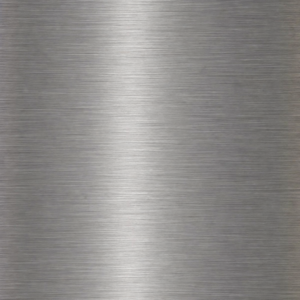
A functional surface may be enough for industrial covers, internal components, or hidden supports. A more refined finish may be important for elevators, kitchens, retail fixtures, appliances, and architectural panels. If scratches, directional grain, reflectivity, or protective film matter, those requirements should be included in the quote request before material is processed.
The practical takeaway is simple: surface requirements are part of the product, not an afterthought. Clear communication about finish expectations helps steel plate suppliers recommend appropriate stainless steel coil products and avoid mismatches between material performance and visual standards.
Strength, formability, and fabrication value
Stainless steel coil plate is selected for more than corrosion resistance. Depending on the grade and thickness, it can provide strength, stability, and fabrication performance for parts that must hold shape under real working conditions. This makes it useful for components that need to resist dents, support assemblies, protect equipment, or provide long-lasting enclosure surfaces.
Formability is also important. Many Graus d'acer inoxidable can be bent, rolled, drawn, or formed when the right grade, thickness, tooling, and process are used. Coil format supports this by giving fabricators material that can be processed into repeatable blanks and sheets before forming.
For welded products, grade selection and welding practice matter. Stainless steel can deliver strong, clean assemblies, but buyers should confirm that the selected grade is appropriate for the intended welding process and service environment. This is especially important in applications where corrosion resistance after fabrication is critical.
A practical buying checklist
Before requesting stainless steel coil plate, gather the information that affects price, availability, processing, and performance. A clear request helps suppliers respond accurately and reduces back-and-forth during quoting. It also helps ensure the steel you receive is suited to the job rather than simply close to a rough description.
Use this checklist before you contact steel plate suppliers:
- Material grade: Identify the stainless steel grade you need, or describe the application if you need guidance.
- Thickness: Provide the required gauge or decimal thickness.
- Width: Specify coil width, slit width, or finished sheet width.
- Length requirements: Note whether you need full coil, cut-to-length sheets, blanks, or custom pieces.
- Quantity: Include coil weight, number of sheets, project volume, or recurring usage estimate.
- Acabat: State whether surface appearance is functional, decorative, brushed, polished, or protected.
- Processing needs: Ask for slitting, leveling, shearing, or other services if required.
- Tolerance expectations: Mention critical dimensions or fabrication requirements.
- Packaging and handling: Identify surface protection, palletizing, or shipping concerns.
- Delivery timeline: Share your required delivery window without assuming availability.
- Application details: Explain where and how the material will be used, especially if corrosion resistance is a key concern.
This level of detail makes the quote process more productive. It also gives your supplier a chance to flag potential concerns, such as grade suitability, finish limitations, or processing constraints.
Pricing and quote factors
Stainless steel coil plate pricing depends on several variables, and exact pricing should always be confirmed through a current quote. Grade, thickness, width, finish, quantity, processing, packaging, and market conditions can all influence final cost. Because stainless steel contains alloying elements and may require specialized processing, two coil plate requests that look similar at first can price differently once the details are reviewed.
The most useful way to compare quotes is to look beyond the base material price. Consider whether the quote includes the processing you need, whether the material format reduces your internal labor, and whether the grade is suitable for the expected service environment. A lower upfront cost may not be the best value if it creates more scrap, added handling, finish problems, or premature replacement.
If you are comparing stainless steel rolls against pre-cut stainless steel sheets, include processing and inventory factors in the decision. Coil may offer more flexibility for repeat production, while sheet may be simpler for small or immediate jobs. The best choice depends on your operation, not a one-size-fits-all rule.
Why source from capable steel plate suppliers
The supplier you choose affects more than delivery. Stainless steel coil plate requires careful sourcing, handling, processing, and documentation. A capable supplier helps you select material that fits the application and can support the conversion steps needed before fabrication.
Look for a supplier who can discuss both material and process. If you need stainless steel sheets made from coil, ask about cut-to-length capabilities, flatness expectations, finish protection, and packaging. If you need slit stainless steel rolls, ask about edge condition, width tolerances, minimum quantities, and coil handling. If you are unsure which stainless steel grades fit your environment, explain the exposure conditions and fabrication method so the conversation is grounded in practical use.
Strong supplier support can also help with repeat orders. Once a grade, finish, and processing route are established, future purchases can become easier to specify. That consistency is valuable for manufacturers and fabricators who need predictable steel coil products over time.
Stainless steel coil plate compared with standard sheet purchasing
Both coil plate and standard sheet have a place in metal sourcing. Standard sheets are convenient for small projects, maintenance work, or jobs with straightforward dimensions. Coil plate is often better suited to ongoing production, multiple cut lengths, or buyers who need more control over conversion.
A fabricator making occasional one-off brackets may not need a coil-based program. A manufacturer producing recurring panels, enclosures, appliance parts, or commercial fixtures may benefit from coil because material can be processed around production needs. This flexibility can reduce the friction of ordering many individual sheet sizes and may support better planning when demand is steady.
The decision should be based on usage pattern, equipment, storage, processing access, and quality requirements. If your team frequently orders stainless steel sheets in varying sizes, it may be time to ask whether stainless steel coil plate could simplify the supply chain.
Get stainless steel coil products ready for your next project
Stainless steel coil plate is a practical choice when your project needs corrosion resistance, fabrication flexibility, clean appearance, and dependable material supply. Whether you need full stainless steel rolls, processed stainless steel sheets, or steel sheet metal prepared for production, the right grade and processing plan will make the biggest difference.
To request a quote, prepare your grade, thickness, width, finish, quantity, processing needs, and delivery requirements. If you are not sure which stainless grade is right, describe the application and environment so a supplier can help guide the conversation. Get the material specified correctly from the start, and your stainless steel coil plate can support stronger products, smoother production, and longer-lasting results.
 English
 Afrikaans
 Arabic
 Bengali
 Catalan
 Chinese
 French
 Dutch (Belgium)
 Dutch
Dutch German
 Czech
Czech Greek
Greek Hindi
Hindi Japanese
 Italian
 Portuguese
 Spanish (Chile)
 Spanish (Colombia)
 Spanish (Argentina)
 Persian
 Estonian
 Albanian
 Russian
 Spanish (Peru)
 Indonesian
 Thai
Thai Vietnamese
 Georgian
 Korean
 Nepali
 Polish
 Ukrainian
 Malayalam
 Xhosa
Xhosa