 Công ty TNHH Kim loại Kaixin Wenzhou

Lựa chọn phụ kiện thép không gỉ phù hợp cho các dự án
Choosing the right materials for your project is crucial. Stainless steel (SS) pipes and fittings are popular choices. They offer durability and resistance to corrosion.
These qualities make them ideal for various applications. From construction to plumbing, SS fittings are versatile. They are used in many industries.
Understanding the benefits of stainless steel is important. It helps in making informed decisions. This guide will explore these benefits in detail.
Khác grades of stainless steel exist. Each grade has unique properties. Knowing these can help you select the right fittings.
Considerations like pressure and temperature are vital. They influence the choice of SS fittings. The type of fluid being transported also matters.
Ống thép không gỉ is known for its strength. It withstands extreme temperatures. This makes it suitable for demanding environments.
Installation and maintenance are key to longevity. Proper techniques ensure secure connections. Regular cleaning maintains their appearance.
Cost is another factor to consider. While SS fittings may cost more initially, their long lifespan offers savings. They are also environmentally friendly.
Understanding SS Pipes and Fittings: Basics and Benefits
Ống thép không gỉ and fittings are essential in many projects. They offer reliability and long-term value. This section will cover the basic elements and advantages of using SS fittings.
The durability of stainless steel is a major benefit. It can withstand harsh conditions without degrading. This makes it a preferred choice for both indoor and outdoor applications.
Corrosion resistance is another key advantage. Unlike other materials, stainless steel does not rust easily. This property extends the lifespan of pipes and fittings.
Several benefits highlight the appeal of stainless steel:
- Aesthetic Appeal: Sleek and modern look that enhances design.
- Hygiene: Non-porous surface resists bacterial growth.
- Recyclability: Environmentally friendly, can be recycled without degradation.
- Strength: Withstands physical stresses and high pressures.
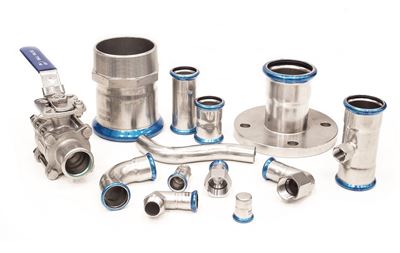
Various stainless steel pipes and fittings
Stainless steel is also known for its versatility. It can be used in both residential and industrial settings. Its non-reactive nature makes it suitable for food and pharmaceutical industries.
The wide availability of stainless steel fittings adds to their appeal. They come in various finishes to meet aesthetic and functional needs. Options like polished and brushed finishes provide flexibility in design.
Understanding these basics helps in making informed choices. Whether you’re an engineer or a DIY enthusiast, knowing the benefits of stainless steel can be advantageous.
Types of Stainless Steel Pipes and Fittings
Stainless steel pipes and fittings come in various types. Understanding these types can guide you in selecting the best option for your project.
The primary types include seamless and welded pipes. Seamless pipes are preferred for higher pressure applications. They are made without joints, providing strength and integrity.
Welded pipes are typically less costly but versatile. They are suitable for lower-pressure applications. Their manufacturing process involves joining metal pieces together.
Different fittings complement these pipes. They facilitate changes in direction, the flow of fluids, and the union of pipe sections. Common fittings include:
- Elbows: Direct flow around corners.
- Tees: Allow for branch lines.
- Reducers: Connect different pipe diameters.
- Couplings: Join pipe sections securely.
Tubing options offer further flexibility. Stainless steel tubing is particularly popular where high strength is needed. It’s excellent for applications with temperature variations.
Fittings come in threaded, socket-welded, or flanged designs. These designs offer varied installation methods, influencing ease and cost of setup.
Selecting the correct type involves assessing application needs. Consider factors such as pressure ratings and installation environment. By evaluating these, you ensure the fittings meet your specific requirements.
Common Grades: 304 vs 316 Stainless Steel
Choosing between 304 and 316 stainless steel can impact your project. Both grades have unique properties suited to different applications.
Grade 304 is known for its wide use. It’s cost-effective and provides excellent corrosion resistance. This makes it suitable for general purposes and non-harsh environments.
Conversely, Grade 316 offers higher corrosion resistance. It contains molybdenum, enhancing its ability to withstand chemicals. This makes it a top choice for marine and chemical applications.
Here’s a comparison of their key attributes:
- 304 Stainless Steel: Versatile, cost-efficient, corrosion-resistant in most settings.
- 316 Stainless Steel: Superior resistance to chlorides, ideal for harsh environments.
Selecting the proper grade depends on your project’s environment. Consider factors like exposure to chemicals or saltwater. These will influence your choice, ensuring long-term performance.
Understanding these grades ensures you select fittings that align with the operational needs and conditions of your project.
Key Considerations When Selecting SS Fittings
Lựa chọn đúng stainless steel fittings requires careful planning. Each project has distinct specifications that influence your decision.
First, consider the operational pressure and temperature. These factors affect the material’s performance over time. Your fittings must withstand these conditions without failing.
Next, review the type of fluid or gas passing through the system. Some chemicals can be aggressive, impacting the choice of materials. Stainless steel’s compatibility is a significant advantage here.
Installation environment also matters. For outdoor projects, resist against corrosion and weather elements is essential. Stainless steel excels in such scenarios due to its durability.
Cost is a relevant consideration. While stainless steel fittings may have a higher initial price, their longevity and low maintenance can offer savings. This makes them a prudent investment for long-term projects.
Finally, consider future maintenance needs. Assess the ease of access to the fittings for cleaning and repairs. This ensures they remain functional without excessive effort.
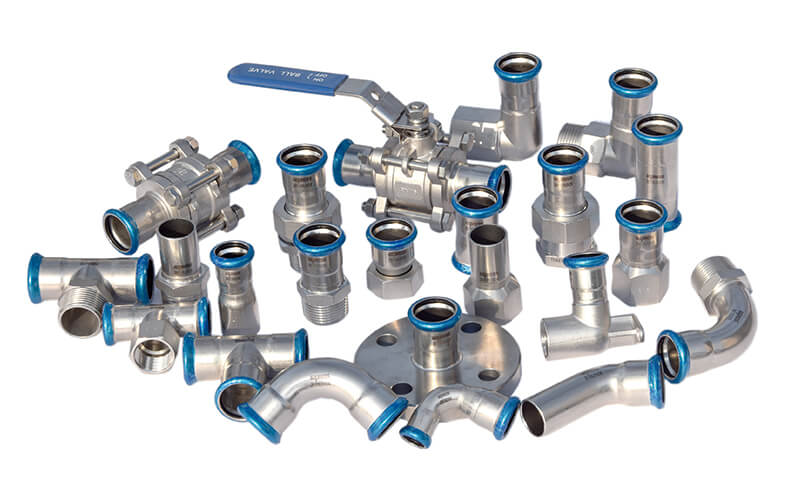
Selection of stainless steel fittings
by Bjorn Agerbeek (https://unsplash.com/@bjornagerbeek)
Evaluating these factors helps in selecting the most appropriate stainless steel fittings for your needs. It ensures the system will function smoothly and efficiently.
Pressure, Temperature, and Fluid Compatibility
When choosing fittings, pressure ratings are crucial. They determine if the fitting can withstand your system’s operational demands. Check manufacturer ratings for guidance.
Similarly, temperature affects fittings’ integrity. Stainless steel is known for its resilience but verifying compatibility with extreme temperatures is necessary. This ensures durability.
The type of fluid or gas is a major consideration. Stainless steel excels with many substances. Yet, highly acidic or corrosive contents demand careful material selection.
Here are key aspects to examine:
- Pressure Requirements: Match with system specifications.
- Temperature Limitations: Consider both high and low extremes.
- Fluid Compatibility: Ensure material resists degradation.
Understanding these compatibility issues ensures your fittings withstand operational conditions. This approach prolongs system lifespan, reducing downtime and costs.
Sizing and Dimensions: Getting the Fit Right
Accurate sizing is critical for seamless system integration. Incorrect dimensions can lead to leaks or system failures, impacting performance.
Measurements must be precise, covering diameter, wall thickness, and overall length. Matching these with pipe dimensions is vital for a secure connection.
Fittings also have designated industry standards to consider. These standards ensure compatibility with other system components. Your selection should adhere to these criteria.
Remember these key points:
- Đường kính: Must match or complement kích thước ống.
- Length and Thickness: Ensure structural integrity.
- Industry Standards: Follow for assured compatibility.
Applications of SS Pipes and Fittings Across Industries
Stainless steel pipes and fittings boast versatility, making them popular across various industries. Their strong corrosion resistance and durability make them invaluable.
In the construction industry, these fittings are integral to plumbing and structural frameworks. They ensure long-term reliability with minimal maintenance.
In the chemical and petrochemical sectors, stainless steel is favored for transporting reactive and corrosive substances. The material’s non-reactive nature reduces contamination risks.
Similarly, the food and beverage industry relies on stainless steel for its hygienic properties. Its surfaces are easy to clean, ensuring high sanitary standards.
In the aerospace and automotive industries, high strength-to-weight ratio makes ống thép không gỉ a crucial component. Its resilience supports advanced engineering needs.
Here are key industries utilizing stainless steel fittings:
- Xây dựng
- Chemical and Petrochemical
- Food and Beverage
- Aerospace and Automotive

Overall, stainless steel fittings prove indispensable across a wide range of applications. They offer a balance of strength, durability, and hygiene, adapting to each industry’s unique demands.
Installation Best Practices for Stainless Steel Fittings
Proper installation of stainless steel fittings is crucial for system integrity. It ensures a leak-proof setup that lasts.
The first step involves thorough cleaning of all components. Removing dirt and debris prevents contamination during assembly.
Using the right tools is essential for a secure fit. Specialized equipment designed for stainless steel can prevent damage and ensure precision.
Attention to torque settings is another vital aspect. Over-tightening can cause threads to strip or break, compromising the integrity of the fitting.
Consider using the proper sealing methods to avoid leaks. Options such as Teflon tape or approved sealants can provide added security.
Important installation tips bao gồm:
- Clean all parts before assembly
- Use the right tools and equipment
- Pay attention to torque settings
- Utilize appropriate sealing techniques

By adhering to these best practices, one can optimize the lifespan and functionality of stainless steel fittings. This approach reduces the likelihood of costly repairs and downtime.
Maintenance and Longevity of Stainless Steel Fittings
Maintaining stainless steel fittings involves regular cleaning. This helps prevent surface contamination and keeps them looking new.
Simple cleaning routines can make a significant difference. Use mild detergents and water, avoiding harsh chemicals that cause damage.
Periodic inspections are beneficial. Check for signs of wear, corrosion, or potential leaks, especially in high-pressure settings.
Proper maintenance extends the lifespan of fittings. It reduces the need for replacements, thereby saving costs over time.
Key maintenance tips include:
- Clean with mild solutions
- Avoid harsh chemicals
- Conduct regular inspections
- Repair any damage promptly
Adhering to these practices ensures the longevity of stainless steel fittings. Quality maintenance preserves their performance and appearance, making them a sound investment.
Cost, Sustainability, and Environmental Impact
Stainless steel fittings can be an upfront investment. However, their longevity often compensates for the initial cost over time.
Choosing stainless steel is an environmentally conscious decision. It’s 100% recyclable, reducing waste and conserving resources.
In sustainable projects, stainless steel fittings shine. They have a long lifespan and require minimal maintenance, further lessening environmental impact.
Stainless fittings contribute positively to green building standards. Their durable nature and recyclability align well with eco-friendly practices.
Benefits of stainless steel fittings include:
- Độ bền cao
- 100% recyclability
- Ít cần bảo trì
- Compliance with green standards

These attributes make stainless steel fittings an appealing choice for sustainability-focused projects. By opting for stainless steel, you support both economic and environmental goals.
Innovations and Customization in SS Fittings
Stainless steel fittings have seen numerous innovations. Advances in welding techniques have improved joint strength and reliability.
Customization options have expanded. Manufacturers can tailor fittings to specific project needs, offering more flexibility.
Recent developments include:
- Improved welding technologies
- More efficient sealing methods
- Project-specific customization options
These innovations ensure stainless steel fittings meet modern demands. Adaptability and precision in fittings significantly enhance project outcomes.
Conclusion: Making the Right Choice for Your Project
Choosing the appropriate stainless steel fittings can greatly impact a project’s success. It’s crucial to consider factors like durability and cost.
By understanding the specific requirements of your application, you can select the most suitable SS fittings. This will ensure efficiency and long-term performance.
Stainless steel fittings offer unmatched benefits. They combine strength, versatility, and environmental friendliness, making them ideal for any project. With careful selection, you can achieve both functional and aesthetic goals.
 English
 Afrikaans
 Arabic
 Bengali
 Catalan
 Chinese
 French
 Dutch (Belgium)
 Dutch
Dutch German
 Czech
Czech Greek
Greek Hindi
Hindi Japanese
 Italian
 Portuguese
 Spanish (Chile)
 Spanish (Colombia)
 Spanish (Argentina)
 Persian
 Estonian
 Albanian
 Russian
 Spanish (Peru)
 Indonesian
 Thai
Thai Vietnamese
 Georgian
 Korean
 Nepali
 Polish
 Ukrainian
 Malayalam
 Xhosa
Xhosa