 Wenzhou Kaixin Kaixin Metal Co., Ltd.

Cómo elegir los accesorios de acero inoxidable adecuados para tus proyectos
Es fundamental elegir los materiales adecuados para tu proyecto. Las tuberías y accesorios de acero inoxidable (SS) son opciones muy comunes. Ofrecen durabilidad y resistencia a la corrosión.
Estas cualidades los hacen ideales para diversas aplicaciones. Desde la construcción hasta la plomería, los accesorios de acero inoxidable son versátiles. Se utilizan en muchas industrias.
Es importante comprender las ventajas del acero inoxidable. Esto ayuda a tomar decisiones informadas. En esta guía se analizarán estas ventajas en detalle.
Diferente tipos de acero inoxidable existen. Cada grado tiene propiedades únicas. Conocerlas puede ayudarte a elegir los accesorios adecuados.
Factores como la presión y la temperatura son fundamentales. Influyen en la elección de los accesorios de acero inoxidable. El tipo de fluido que se transporta también es importante.
Tubos de acero inoxidable Es conocido por su resistencia. Soporta temperaturas extremas. Esto lo hace adecuado para entornos exigentes.
La instalación y el mantenimiento son fundamentales para garantizar una larga vida útil. Las técnicas adecuadas aseguran conexiones seguras. La limpieza periódica mantiene su aspecto.
El costo es otro factor a tomar en cuenta. Si bien los accesorios de acero inoxidable pueden tener un costo inicial más elevado, su larga vida útil permite ahorrar dinero. Además, son respetuosos con el medio ambiente.
Todo lo que hay que saber sobre las tuberías y accesorios SS: conceptos básicos y ventajas
Tubos de acero inoxidable y los accesorios son esenciales en muchos proyectos. Ofrecen confiabilidad y valor a largo plazo. En esta sección se abordarán los elementos básicos y las ventajas de utilizar accesorios de acero inoxidable.
La durabilidad del acero inoxidable es una de sus principales ventajas. Puede soportar condiciones extremas sin deteriorarse. Esto lo convierte en la opción preferida tanto para aplicaciones en interiores como en exteriores.
La resistencia a la corrosión es otra ventaja clave. A diferencia de otros materiales, el acero inoxidable no se oxida fácilmente. Esta propiedad prolonga la vida útil de las tuberías y los accesorios.
Varias ventajas resaltan el atractivo del acero inoxidable:
- Atractivo estético: Un estilo elegante y moderno que realza el diseño.
- Higiene: Su superficie no porosa impide el crecimiento bacteriano.
- Reciclabilidad: Es respetuoso con el medio ambiente y se puede reciclar sin que se degrade.
- Fuerza: Resiste las tensiones físicas y las altas presiones.
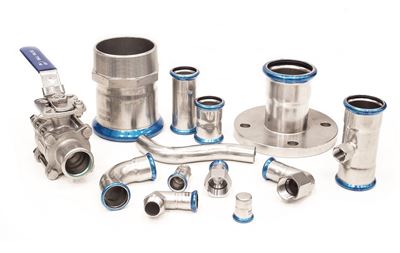
Diversos tubos y accesorios de acero inoxidable
El acero inoxidable también se caracteriza por su versatilidad. Se puede utilizar tanto en entornos residenciales como industriales. Su naturaleza no reactiva lo hace adecuado para las industrias alimenticia y farmacéutica.
La amplia disponibilidad de accesorios de acero inoxidable lo que aumenta su atractivo. Se ofrecen en diversos acabados para satisfacer las necesidades estéticas y funcionales. Opciones como los acabados pulidos y cepillados brindan flexibilidad en el diseño.
Comprender estos conceptos básicos ayuda a tomar decisiones informadas. Ya seas ingeniero o un aficionado al bricolaje, conocer las ventajas del acero inoxidable puede resultarte útil.
Tipos de tuberías y accesorios de acero inoxidable
Existen varios tipos de tuberías y accesorios de acero inoxidable. Conocer estos tipos puede ayudarte a elegir la mejor opción para tu proyecto.
Los principales tipos son los tubos sin costura y los tubos soldados. Los tubos sin costura son los preferidos para aplicaciones de alta presión. Se fabrican sin uniones, lo que les confiere resistencia e integridad.
Las tuberías soldadas suelen ser más económicas, pero también versátiles. Son adecuadas para aplicaciones de baja presión. Su proceso de fabricación consiste en unir piezas metálicas entre sí.
Estos tubos se complementan con diferentes accesorios. Estos facilitan los cambios de dirección, el flujo de fluidos y la unión de secciones de tubería. Entre los accesorios más comunes se encuentran:
- Codos: Flujo directo en las esquinas.
- Camisetas: Contar con ramales.
- Reductores: Conecta tuberías de diferentes diámetros.
- Acoplamientos: Une las secciones de tubería de manera segura.
Las opciones de tubos ofrecen mayor flexibilidad. Los tubos de acero inoxidable son especialmente populares cuando se requiere una alta resistencia. Son excelentes para aplicaciones con variaciones de temperatura.
Los accesorios están disponibles en diseños roscados, para soldadura por encaje o con bridas. Estos diseños ofrecen diversos métodos de instalación, lo que influye en la facilidad y el costo de la instalación.
Para elegir el tipo adecuado, es necesario evaluar las necesidades de la aplicación. Tome en cuenta factores como los valores nominales de presión y el entorno de instalación. Al evaluar estos aspectos, se asegura de que los accesorios cumplan con sus requisitos específicos.
Grados comunes: acero inoxidable 304 frente a 316
La elección entre el acero inoxidable 304 y el 316 puede afectar a tu proyecto. Ambos grados tienen propiedades únicas que se adaptan a diferentes aplicaciones.
El grado 304 se caracteriza por su amplio uso. Es rentable y ofrece una excelente resistencia a la corrosión. Esto lo hace adecuado para usos generales y entornos no agresivos.
Por el contrario, el grado 316 ofrece una mayor resistencia a la corrosión. Contiene molibdeno, lo que mejora su capacidad para resistir los productos químicos. Esto lo convierte en la mejor opción para aplicaciones marinas y químicas.
A continuación, te presentamos una comparación de sus características principales:
- Acero inoxidable 304: Versátil, económico y resistente a la corrosión en la mayoría de los entornos.
- Acero inoxidable 316: Resistencia superior a los cloruros, ideal para entornos hostiles.
La elección del grado adecuado depende del entorno de tu proyecto. Toma en cuenta factores como la exposición a sustancias químicas o al agua salada. Estos factores influirán en tu elección y garantizarán un desempeño a largo plazo.
Comprender estos grados te garantiza que elijas accesorios que se adapten a las necesidades y condiciones operativas de tu proyecto.
Consideraciones clave al seleccionar accesorios de acero inoxidable
Elegir el adecuado accesorios de acero inoxidable requiere una planificación cuidadosa. Cada proyecto tiene especificaciones específicas que influyen en tu decisión.
En primer lugar, toma en cuenta la presión y la temperatura de operación. Estos factores afectan el desempeño del material con el paso del tiempo. Tus accesorios deben soportar estas condiciones sin fallar.
A continuación, revisa el tipo de líquido o gas que circula por el sistema. Algunas sustancias químicas pueden ser corrosivas, lo que influye en la elección de los materiales. La compatibilidad del acero inoxidable es una ventaja significativa en este sentido.
El entorno de instalación también es importante. Para proyectos al aire libre, es fundamental que el material sea resistente a la corrosión y a las inclemencias del clima. El acero inoxidable se destaca en estos casos gracias a su durabilidad.
El costo es un factor importante a tomar en cuenta. Si bien accesorios de acero inoxidable Aunque puedan tener un precio inicial más elevado, su larga vida útil y su bajo mantenimiento pueden generar ahorros. Esto los convierte en una inversión prudente para proyectos a largo plazo.
Por último, toma en cuenta las necesidades futuras de mantenimiento. Evalúa la facilidad de acceso a los accesorios para su limpieza y reparación. Esto garantiza que sigan funcionando sin un esfuerzo excesivo.
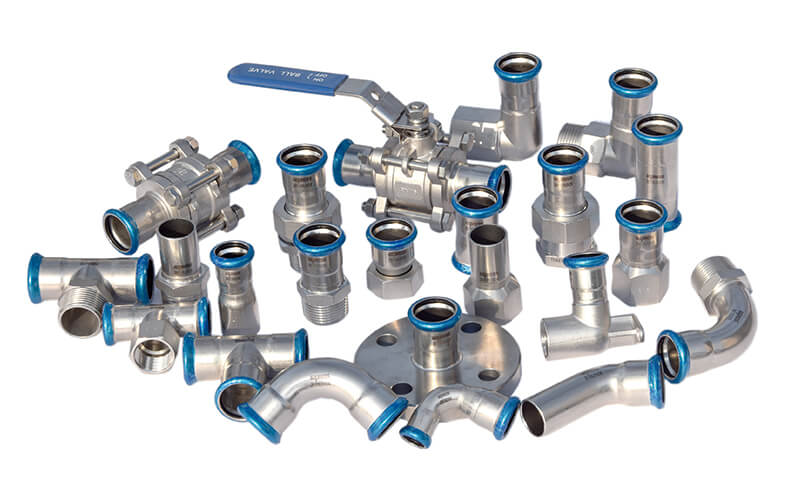
Selección de accesorios de acero inoxidable
por Bjorn Agerbeek (https://unsplash.com/@bjornagerbeek)
Evaluar estos factores ayuda a seleccionar la opción más adecuada accesorios de acero inoxidable para tus necesidades. Garantiza que el sistema funcione sin problemas y de manera eficiente.
Compatibilidad con la presión, la temperatura y los fluidos
A la hora de elegir accesorios, los valores nominales de presión son fundamentales. Estos determinan si el accesorio puede soportar las exigencias operativas de tu sistema. Consulta los valores nominales del fabricante para orientarte.
Del mismo modo, la temperatura afecta la integridad de los accesorios. El acero inoxidable es conocido por su resistencia, pero es necesario verificar su compatibilidad con temperaturas extremas. Esto garantiza su durabilidad.
El tipo de líquido o gas es un factor fundamental a tener en cuenta. El acero inoxidable ofrece un desempeño excelente con muchas sustancias. Sin embargo, los contenidos altamente ácidos o corrosivos exigen una selección cuidadosa del material.
Estos son los aspectos clave que hay que analizar:
- Requisitos de presión: Cumplir con las especificaciones del sistema.
- Límites de temperatura: Toma en cuenta tanto los valores extremos altos como los bajos.
- Compatibilidad con fluidos: Asegúrate de que el material resista la degradación.
Comprender estos problemas de compatibilidad garantiza que tus accesorios resistan las condiciones operativas. Este enfoque prolonga la vida útil del sistema, reduciendo el tiempo de inactividad y los costos.
Tallas y dimensiones: cómo encontrar el ajuste adecuado
El dimensionamiento preciso es fundamental para una integración perfecta del sistema. Las dimensiones incorrectas pueden provocar fugas o fallas en el sistema, lo que afecta el rendimiento.
Las mediciones deben ser precisas y deben incluir el diámetro, el espesor de la pared y la longitud total. Es importante que estos datos coincidan con dimensiones de las tuberías es fundamental para una conexión segura.
Los accesorios también deben cumplir con ciertas normas industriales específicas. Estas normas garantizan la compatibilidad con otros componentes del sistema. Tu elección debe cumplir con estos criterios.
Recuerda estos puntos clave:
- Diámetro: Debe coincidir o complementarse tamaño de la tubería.
- Longitud y grosor: Asegurar la integridad estructural.
- Normas de la industria: Síguenos para garantizar la compatibilidad.
Aplicaciones de las tuberías y accesorios de acero inoxidable en diversos sectores industriales
Tubos y accesorios de acero inoxidable destacan por su versatilidad, lo que las hace muy populares en diversos sectores. Su gran resistencia a la corrosión y su durabilidad las convierten en un recurso invaluable.
En la industria de la construcción, estos accesorios son fundamentales para las instalaciones de plomería y las estructuras. Garantizan una confiabilidad a largo plazo con un mantenimiento mínimo.
En los sectores químico y petroquímico, el acero inoxidable es el material preferido para transportar sustancias reactivas y corrosivas. La naturaleza no reactiva de este material reduce los riesgos de contaminación.
Del mismo modo, la industria de alimentos y bebidas recurre al acero inoxidable por sus propiedades higiénicas. Sus superficies son fáciles de limpiar, lo que garantiza altos estándares de higiene.
En las industrias aeroespacial y automotriz, la alta relación resistencia-peso hace que tubos de acero inoxidable un componente clave. Su resistencia satisface las necesidades de ingeniería de vanguardia.
A continuación se presentan los sectores clave que utilizan accesorios de acero inoxidable:
- Construcción
- Química y petroquímica
- Alimentos y bebidas
- Aeroespacial y automotriz

En general, los accesorios de acero inoxidable resultan indispensables en una amplia gama de aplicaciones. Ofrecen un equilibrio entre resistencia, durabilidad e higiene, y se adaptan a las exigencias específicas de cada industria.
Prácticas recomendadas para la instalación de accesorios de acero inoxidable
La instalación correcta de accesorios de acero inoxidable es fundamental para la integridad del sistema. Garantiza una instalación a prueba de fugas que perdura en el tiempo.
El primer paso consiste en limpiar a fondo todos los componentes. Eliminar la suciedad y los residuos evita la contaminación durante el ensamblaje.
El uso de las herramientas adecuadas es esencial para lograr un ajuste seguro. El equipo especializado diseñado para el acero inoxidable puede evitar daños y garantizar la precisión.
Prestar atención a los ajustes de torque es otro aspecto fundamental. Apretar en exceso puede provocar que las roscas se desgasten o se rompan, lo que compromete la integridad del acoplamiento.
Considera utilizar los métodos de sellado adecuados para evitar fugas. Opciones como la cinta de teflón o los selladores aprobados pueden brindar mayor seguridad.
Importante consejos de instalación incluyen:
- Limpia todas las piezas antes del ensamblaje
- Usa las herramientas y el equipo adecuados
- Presta atención a los valores de torque
- Utilice técnicas de sellado adecuadas

Al seguir estas prácticas recomendadas, se puede optimizar la vida útil y el funcionamiento de los accesorios de acero inoxidable. Este enfoque reduce la probabilidad de que se produzcan reparaciones costosas y tiempos de inactividad.
Mantenimiento y vida útil de los accesorios de acero inoxidable
El mantenimiento de los accesorios de acero inoxidable implica una limpieza regular. Esto ayuda a prevenir la contaminación de la superficie y mantiene su aspecto como nuevo.
Las rutinas sencillas de limpieza pueden marcar una gran diferencia. Usa detergentes suaves y agua, y evita los productos químicos agresivos que causan daños.
Las inspecciones periódicas son recomendables. Revisa si hay signos de desgaste, corrosión o posibles fugas, especialmente en entornos de alta presión.
Un mantenimiento adecuado prolonga la vida útil de los accesorios. Reduce la necesidad de reemplazarlos, lo que permite ahorrar costos a largo plazo.
Algunos consejos clave para el mantenimiento son:
- Limpia con soluciones suaves
- Evita los productos químicos agresivos
- Realiza inspecciones periódicas
- Repara cualquier daño de inmediato
Seguir estas prácticas garantiza la durabilidad de los accesorios de acero inoxidable. Un mantenimiento de calidad preserva su rendimiento y apariencia, lo que los convierte en una inversión sólida.
Costo, sostenibilidad e impacto ambiental
Los accesorios de acero inoxidable pueden suponer una inversión inicial. Sin embargo, su durabilidad suele compensar el costo inicial con el paso del tiempo.
Elegir el acero inoxidable es una decisión respetuosa con el medio ambiente. Es reciclable según la norma 100%, lo que reduce los desechos y conserva los recursos.
En los proyectos sostenibles, los accesorios de acero inoxidable se destacan. Tienen una larga vida útil y requieren un mantenimiento mínimo, lo que reduce aún más el impacto ambiental.
Los accesorios de acero inoxidable contribuyen positivamente a cumplir con los estándares de construcción sustentable. Su durabilidad y reciclabilidad se alinean perfectamente con las prácticas ecológicas.
Entre las ventajas de los accesorios de acero inoxidable se encuentran:
- Gran durabilidad
- Reciclabilidad del 100%
- Requerimientos mínimos de mantenimiento
- Cumplimiento de las normas ambientales

Estas características hacen que los accesorios de acero inoxidable sean una opción atractiva para proyectos centrados en la sustentabilidad. Al optar por el acero inoxidable, contribuyes tanto a los objetivos económicos como a los ambientales.
Innovaciones y personalización en accesorios de acero inoxidable
Los accesorios de acero inoxidable han sido objeto de numerosas innovaciones. Los avances en las técnicas de soldadura han mejorado la resistencia y la confiabilidad de las uniones.
Las opciones de personalización se han ampliado. Los fabricantes pueden adaptar los accesorios a las necesidades específicas de cada proyecto, lo que brinda mayor flexibilidad.
Entre los avances recientes se incluyen:
- Tecnologías de soldadura mejoradas
- Métodos de sellado más eficientes
- Opciones de personalización específicas para cada proyecto
Estas innovaciones garantizan que los accesorios de acero inoxidable cumplan con las exigencias actuales. La adaptabilidad y la precisión de los accesorios mejoran significativamente los resultados de los proyectos.
Conclusión: Cómo tomar la decisión correcta para tu proyecto
La elección de los accesorios de acero inoxidable adecuados puede influir enormemente en el éxito de un proyecto. Es fundamental tomar en cuenta factores como la durabilidad y el costo.
Al comprender los requisitos específicos de su aplicación, podrá seleccionar los accesorios de acero inoxidable más adecuados. Esto garantizará la eficiencia y el rendimiento a largo plazo.
Los accesorios de acero inoxidable ofrecen ventajas inigualables. Combinan resistencia, versatilidad y respeto por el medio ambiente, lo que los convierte en la opción ideal para cualquier proyecto. Con una selección cuidadosa, puedes alcanzar tanto tus objetivos funcionales como estéticos.
 English
 Afrikaans
 Arabic
 Bengali
 Catalan
 Chinese
 French
 Dutch (Belgium)
 Dutch
Dutch German
 Czech
Czech Greek
Greek Hindi
Hindi Japanese
 Italian
 Portuguese
 Spanish (Chile)
 Spanish (Colombia)
 Spanish (Argentina)
 Persian
 Estonian
 Albanian
 Russian
 Spanish (Peru)
 Indonesian
 Thai
Thai Vietnamese
 Georgian
 Korean
 Nepali
 Polish
 Ukrainian
 Malayalam
 Xhosa
Xhosa