 Wenzhou Kaixin Kaixin Metal Co.,LTD

Introduzione
Picking the right pipe can feel like a maze. Whether you’re building a chemical plant or a high-end machine, the “alphabet soup” of stainless steel pipe grades and steel pipe material grades matters. This guide breaks down the astm standard options simply, helping your business choose the best stainless steel tubing for performance and safety.
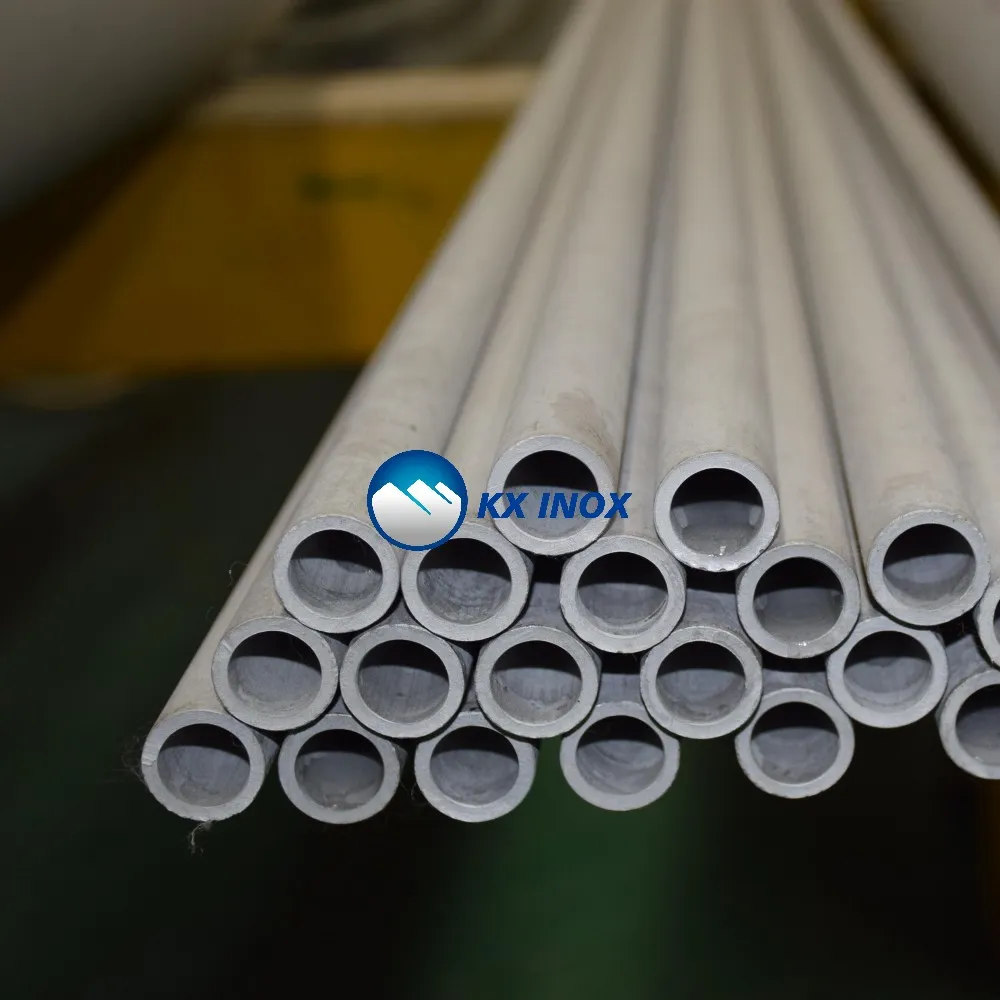
Cos'è lo standard ASTM?
You might see these four letters on every crate of steel you order, but what does ASTM stand for exactly? It is the American Society for Testing and Materials. Think of it as the “global rulebook” for manufacturing—a massive library of recipes that ensures the steel you buy today works exactly like the steel you bought five years ago.
Un linguaggio condiviso: When you talk to seamless pipe manufacturers, using an astm specification ensures everyone is on the same page. Without these codes, “high quality” would just be an opinion. With them, it’s a measurable fact.
La sicurezza prima di tutto: An astm stainless steel certification isn’t just paperwork; it’s a shield. It ensures the metal won’t crack under the pressure of a boiling boiler or the freezing chill of an offshore gas line.
Lo standard aureo: In the world of the stainless steel standard, these codes are a promise. They tell you exactly what’s inside—how much chrome is there to stop rust and how much nickel is there for strength.
Come scegliere tra i due standard
Once you understand the “rulebook,” the next step is picking the right “recipe” for your project. In the world of industrial metal, two names pop up often: A312 and A511.
If you put them side-by-side on a table, they might look identical to the naked eye. They are both shiny, heavy, and cold to the touch. But beneath the surface, they are built for completely different lives. One is a marathon runner designed for endurance (A312), and the other is a gymnast designed for precision (A511). Let’s start with the “Pipe” that keeps most industrial plants running.
Perché utilizzare tubi in acciaio inossidabile ASTM A312 per resistere a pressione e corrosione?
Se il tuo progetto prevede che liquidi o gas scorrano attraverso una linea ad alta pressione, probabilmente stai cercando tubo in acciaio inossidabile ASTM A312. Think of this as the “veins and arteries” of an industrial plant. It’s built to move stuff from point A to point B without leaking or bursting.
Quando fa caldo: We call this the heavyweight champion because it is specifically designed for “High-Temperature and General Corrosive Service.” If you are moving boiling chemicals, acidic waste, or salty seawater, A312 is the one that won’t let you down.
The “Pipe” vs. “Tube” Secret: Here’s a tip—in the industry, we call this a “Pipe” for a reason. It follows the Nominal Pipe Size (NPS) rules. This means the engineers who designed it care most about the space inside where the fluid flows. They want to know exactly how many gallons per minute can zoom through that line.
Una promessa di sicurezza: Puoi sfogliare il Standard ASTM A312 in formato PDF and you’ll see one word over and over: Testing.
Nessuno spazio per le perdite: Every single length usually gets hit with a “leak test” before it leaves the factory floor. We use water pressure or electricity to find tiny holes that the human eye could never see. It’s a rigorous process because, let’s face it, a tiny pinhole in a high-pressure chemical line isn’t just a repair job—it’s a major safety hazard for your whole team.
In che modo il tubo in acciaio inossidabile ASTM A511 differisce in termini di precisione?
Now, let’s pivot. Sometimes you aren’t moving acid through a line; maybe you’re machining a precise gear, a hydraulic piston, or a hollow shaft for a motor. That is where the astm a511 stainless steel tube steps in.
La precisione è fondamentale: A511 is for “Mechanical Tubing.” While A312 (the pipe) cares about the flow inside, A511 cares about the dimensions of the metal itself. If A312 is about the hole, A511 is about the wall.
Machinist’s Best Friend: Immagina di dover mettere un tubo su un tornio e rifinirlo in modo che si adatti perfettamente a una macchina. Vuoi il ASTM A511 PDF specs. The tolerances are much tighter, meaning the tube is straighter, the walls are more even, and it is perfectly “round.” This saves you hours of machining time and prevents wasted material.
Nessuna pressione: Unlike A312, A511 isn’t usually required to undergo pressure testing. Why? Because its job is to be strong and accurately shaped, not to carry pressurized gas. It’s about structural strength and how well the metal cuts, welds, and bends without deforming.
Varietà di forme: Life isn’t always round. You’ll find square, rectangular, and even custom-shaped steel tubes under this stainless steel tubing standard. If you are building a frame for a cleanroom or a support for a pharmaceutical conveyor, this is your go-to.
5 differenze cruciali tra ASTM A312 e ASTM A511
It’s easy to get confused when you are looking at a quote. Use this simple guide to make sure you are buying exactly what your engineers asked for:
La funzione primaria
Se la tua attività consiste nel trasporto di liquidi, gas o vapore ad alta pressione tramite tubazioni, l'A312 è il cavallo di battaglia del settore, progettato specificamente per il flusso e il contenimento. Tuttavia, se stai costruendo un componente di una macchina, un albero di trasmissione o un telaio strutturale, l'A511 è progettato per essere la spina dorsale fisica della tua apparecchiatura.
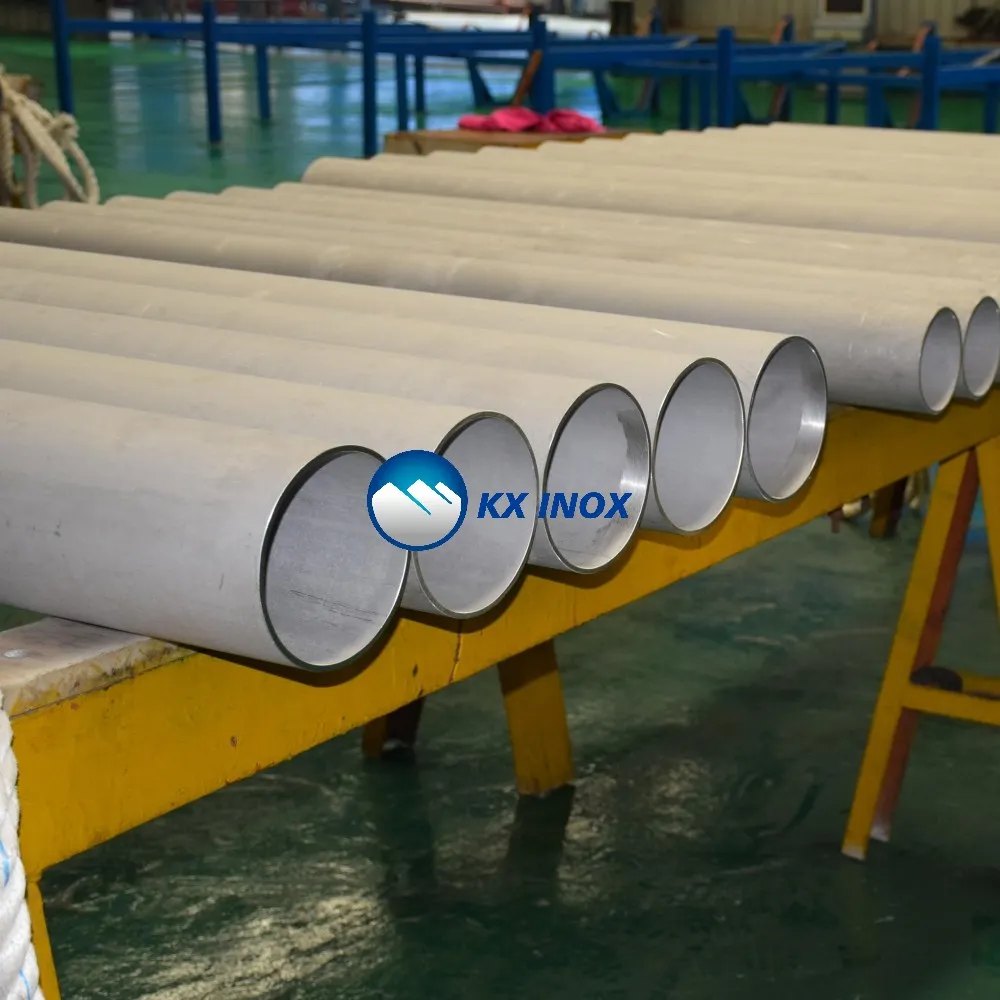
Come vengono calcolate e ordinate le taglie
I tubi A312 seguono il sistema di dimensioni nominali (NPS) e di spessori standardizzati come Sch 10 o Sch 40. Al contrario, i tubi meccanici A511 vengono ordinati in base a dimensioni fisiche precise, come il diametro esterno e lo spessore della parete, consentendo tolleranze di progettazione molto più ristrette.
Qualità della superficie ed estetica
I tubi A312 vengono solitamente rifiniti a caldo e decapati, ottenendo una finitura industriale grigio opaco. Poiché l'A511 viene spesso rifinito a freddo, presenta una superficie molto più liscia e brillante, più adatta ai progetti architettonici e decisamente più facile da lavorare per il team dell'officina meccanica.
Test obbligatori e controllo qualità
I tubi A312 devono essere sottoposti a prove idrostatiche o elettriche non distruttive per garantire la tenuta stagna sotto pressione secondo la norma 100%. Al contrario, le prove A511 si concentrano sulle proprietà meccaniche come la durezza e la resistenza alla trazione, assicurando che il metallo possa sopportare le sollecitazioni fisiche derivanti dall'essere un componente di macchinario per impieghi gravosi.
Flessibilità di spessore e forma delle pareti
A312 is restricted to standardized pipe schedules which limit how thick the steel can be. A511 is far more flexible, offering “Hollow Bar” options with incredibly heavy walls. This makes it the superior choice when your project requires massive structural strength or deep internal drilling.
Tabella comparativa: ASTM A312 vs ASTM A511
| Caratteristica | ASTM A312 | ASTM A511 |
| Obiettivo primario | Trasporto di fluidi: Progettato per il trasporto di liquidi, gas e vapore ad alta pressione. | Componenti strutturali: Costruiti come struttura portante per parti di macchine, alberi e telai. |
| Come ordinare | NPS & Schedule: Based on standard pipe sizes (e.g., NPS 2″ Sch 40). | Dimensioni esatte: basate sul diametro esterno (DE) e sullo spessore della parete precisi. |
| Aspetto superficiale | Grigio industriale: solitamente trattato a caldo e decapato, con una finitura opaca e non lucida. | Liscio e luminoso: spesso rifinito a freddo, offre un aspetto più pulito per l'architettura. |
| Test di sicurezza | A tenuta stagna: test di pressione o elettrici obbligatori per garantire l'assenza di perdite. | Orientato alla resistenza: si concentra sulla durezza e sulla resistenza alla trazione per la lavorazione meccanica. |
| Forma e parete | Solo tubi rotondi: limitato a tubi rotondi standard con spessore fisso. | Highly Flexible: Offers square, rectangular, and “Hollow Bar” heavy-wall options. |
4 gradi di materiale in acciaio inossidabile
The standard (A312 or A511) is the blueprint, but the “Grade” is the ingredient list. Choosing the wrong grade is like using salt instead of sugar—the result won’t be what you wanted.
Grado 304/304L: This is the most common grade. It’s strong, easy to weld, and resists rust in most normal conditions. If you are building for an indoor factory or a kitchen, 304 is usually the perfect balance of price and performance.
Acciaio inossidabile 316/316L: If your project is near the ocean or involves harsh chemicals like chlorides, 304 will rust. You need 316. It has a secret ingredient called Molybdenum that acts like a chemical shield against “pitting” (those tiny rust holes that eat through metal).
Grado 321/310SAlcuni tubi devono essere installati all'interno di forni o motori a reazione. Questi tipi di tubi possono sopportare temperature elevatissime (fino a 1100 °C) senza arrugginirsi completamente.
Gradi duplexQuesti sono i migliori. Sono due volte più resistenti del normale acciaio inox 304. Grazie alla loro elevata resistenza, spesso è possibile utilizzare tubi di diametro inferiore per svolgere lo stesso lavoro, il che può effettivamente consentire un risparmio di peso e denaro in progetti di grandi dimensioni come le piattaforme petrolifere.
3 consigli per il tuo prossimo acquisto di tubi in acciaio inossidabile
Before you hit “send” on that purchase order, keep these three tips in your back pocket to avoid the most common headaches in the industry:
Controlla il MTR (Material Test Report)Richiedete sempre il MTR (Material Test Request). Questo documento dimostra che l'acciaio è stato testato e soddisfa effettivamente i requisiti ASTM A312 (PDF) o A511.
The “L” Matters: You’ll see grades like 304 and 304L. The “L” stands for Low Carbon. If you are going to be doing a lot of welding, always choose the “L” version. It prevents the area around the weld from rusting later on.
Pensa al risultato finale: Do you need the pipe to be “Pickled and Annealed” (dull grey but very clean) or “Polished” (shiny like a mirror)? Polishing isn’t just for looks; in food and pharma, a shiny surface is easier to clean and keep bacteria-free.
FAQ
Cos'è l'ASTM e perché ne ho bisogno?
Si tratta di un'organizzazione globale che definisce gli standard tecnici per garantire la qualità e la sicurezza dei materiali.
Posso utilizzare tubi ASTM A511 per una linea idrica ad alta pressione?
No. Non è stato sottoposto a test di tenuta. Per qualsiasi applicazione con fluidi in pressione, utilizzare la norma ASTM A312.
Qual è il tipo di acciaio inossidabile più diffuso nella lavorazione degli alimenti?
Il grado 304 è lo standard, sebbene il grado 316 venga utilizzato per alimenti salati o acidi.
Dove posso trovare il Standard ASTM A312 in formato PDF?
È possibile richiedere al fornitore una scheda riassuntiva tecnica.
Conclusione
La comprensione delle norme ASTM A312 e ASTM A511 garantisce che il vostro progetto resista alla prova del tempo. Che abbiate bisogno di resistenza alla pressione o di precisione meccanica, la scelta dei tubi in acciaio inossidabile giusti vi farà risparmiare denaro e stress. In qualità di fornitori leader di tubi in acciaio inossidabile in Cina, aiutiamo la vostra azienda a progredire con fiducia. Pronti a modernizzare la vostra catena di fornitura? Contatta Kaixin Contattateci oggi stesso per una consulenza tecnica o per un preventivo competitivo per il vostro prossimo progetto!
 English
 Afrikaans
 Arabic
 Bengali
 Catalan
 Chinese
 French
 Dutch (Belgium)
 Dutch
Dutch German
 Czech
Czech Greek
Greek Hindi
Hindi Japanese
 Italian
 Portuguese
 Spanish (Chile)
 Spanish (Colombia)
 Spanish (Argentina)
 Persian
 Estonian
 Albanian
 Russian
 Spanish (Peru)
 Indonesian
 Thai
Thai Vietnamese
 Georgian
 Korean
 Nepali
 Polish
 Ukrainian
 Malayalam
 Xhosa
Xhosa