 Wenzhou Kaixin Kaixin Metaal Maatskappy, Beperk

Inleiding
Picking the right pipe can feel like a maze. Whether you’re building a chemical plant or a high-end machine, the “alphabet soup” of stainless steel pipe grades and steel pipe material grades matters. This guide breaks down the astm standard options simply, helping your business choose the best stainless steel tubing for performance and safety.
What is the ASTM Standard
You might see these four letters on every crate of steel you order, but what does ASTM stand for exactly? It is the American Society for Testing and Materials. Think of it as the “global rulebook” for manufacturing—a massive library of recipes that ensures the steel you buy today works exactly like the steel you bought five years ago.
A Shared Language: When you talk to seamless pipe manufacturers, using an astm specification ensures everyone is on the same page. Without these codes, “high quality” would just be an opinion. With them, it’s a measurable fact.
Safety First: An astm stainless steel certification isn’t just paperwork; it’s a shield. It ensures the metal won’t crack under the pressure of a boiling boiler or the freezing chill of an offshore gas line.
The Gold Standard: In the world of the stainless steel standard, these codes are a promise. They tell you exactly what’s inside—how much chrome is there to stop rust and how much nickel is there for strength.
How to Choose Between the Two Standards
Once you understand the “rulebook,” the next step is picking the right “recipe” for your project. In the world of industrial metal, two names pop up often: A312 and A511.
If you put them side-by-side on a table, they might look identical to the naked eye. They are both shiny, heavy, and cold to the touch. But beneath the surface, they are built for completely different lives. One is a marathon runner designed for endurance (A312), and the other is a gymnast designed for precision (A511). Let’s start with the “Pipe” that keeps most industrial plants running.
Why Use ASTM A312 Stainless Steel Pipe for Pressure and Corrosion
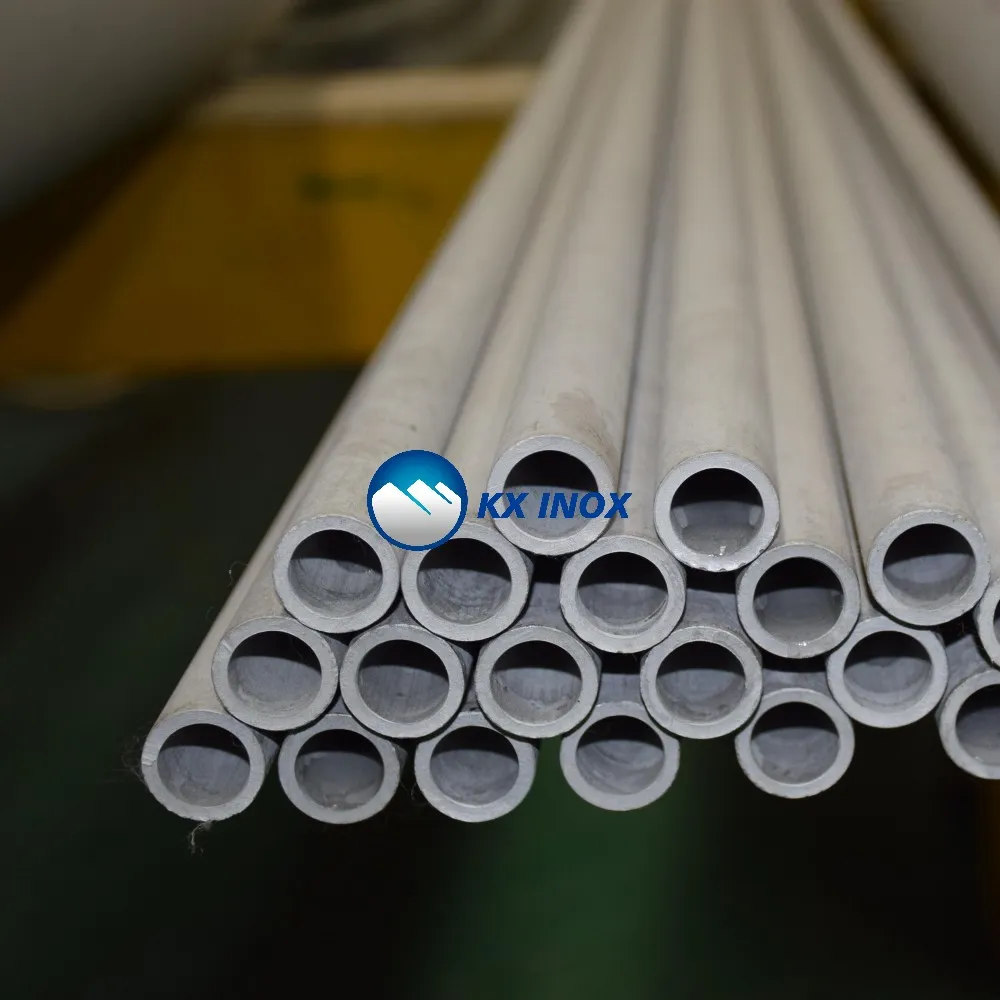
If your project involves liquids or gases rushing through a line under heavy pressure, you are likely looking for astm a312 stainless steel pipe. Think of this as the “veins and arteries” of an industrial plant. It’s built to move stuff from point A to point B without leaking or bursting.
When the Heat is On: We call this the heavyweight champion because it is specifically designed for “High-Temperature and General Corrosive Service.” If you are moving boiling chemicals, acidic waste, or salty seawater, A312 is the one that won’t let you down.
The “Pipe” vs. “Tube” Secret: Here’s a tip—in the industry, we call this a “Pipe” for a reason. It follows the Nominal Pipe Size (NPS) rules. This means the engineers who designed it care most about the space inside where the fluid flows. They want to know exactly how many gallons per minute can zoom through that line.
A Safety Promise: You can flip through the astm a312 standard pdf and you’ll see one word over and over: Testing.
No Room for Leaks: Every single length usually gets hit with a “leak test” before it leaves the factory floor. We use water pressure or electricity to find tiny holes that the human eye could never see. It’s a rigorous process because, let’s face it, a tiny pinhole in a high-pressure chemical line isn’t just a repair job—it’s a major safety hazard for your whole team.
How Does ASTM A511 Stainless Steel Tube Differ in Precision
Now, let’s pivot. Sometimes you aren’t moving acid through a line; maybe you’re machining a precise gear, a hydraulic piston, or a hollow shaft for a motor. That is where the astm a511 stainless steel tube steps in.
Precision is King: A511 is for “Mechanical Tubing.” While A312 (the pipe) cares about the flow inside, A511 cares about the dimensions of the metal itself. If A312 is about the hole, A511 is about the wall.
Machinist’s Best Friend: Imagine you need to put a tube on a lathe and shave it down to fit perfectly into a machine. You want the astm a511 pdf specs. The tolerances are much tighter, meaning the tube is straighter, the walls are more even, and it is perfectly “round.” This saves you hours of machining time and prevents wasted material.
No Pressure: Unlike A312, A511 isn’t usually required to undergo pressure testing. Why? Because its job is to be strong and accurately shaped, not to carry pressurized gas. It’s about structural strength and how well the metal cuts, welds, and bends without deforming.
Variety in Shape: Life isn’t always round. You’ll find square, rectangular, and even custom-shaped steel tubes under this stainless steel tubing standard. If you are building a frame for a cleanroom or a support for a pharmaceutical conveyor, this is your go-to.
5 Critical Differences Between ASTM A312 vs ASTM A511
It’s easy to get confused when you are looking at a quote. Use this simple guide to make sure you are buying exactly what your engineers asked for:
The Primary Function
If your business is piping liquids, gases, or high-pressure steam, A312 is the industry workhorse built specifically for flow and containment. However, if you are building a machine part, a drive shaft, or a structural frame, A511 is designed to be the physical backbone of your equipment.
How Sizes are Calculated and Ordered
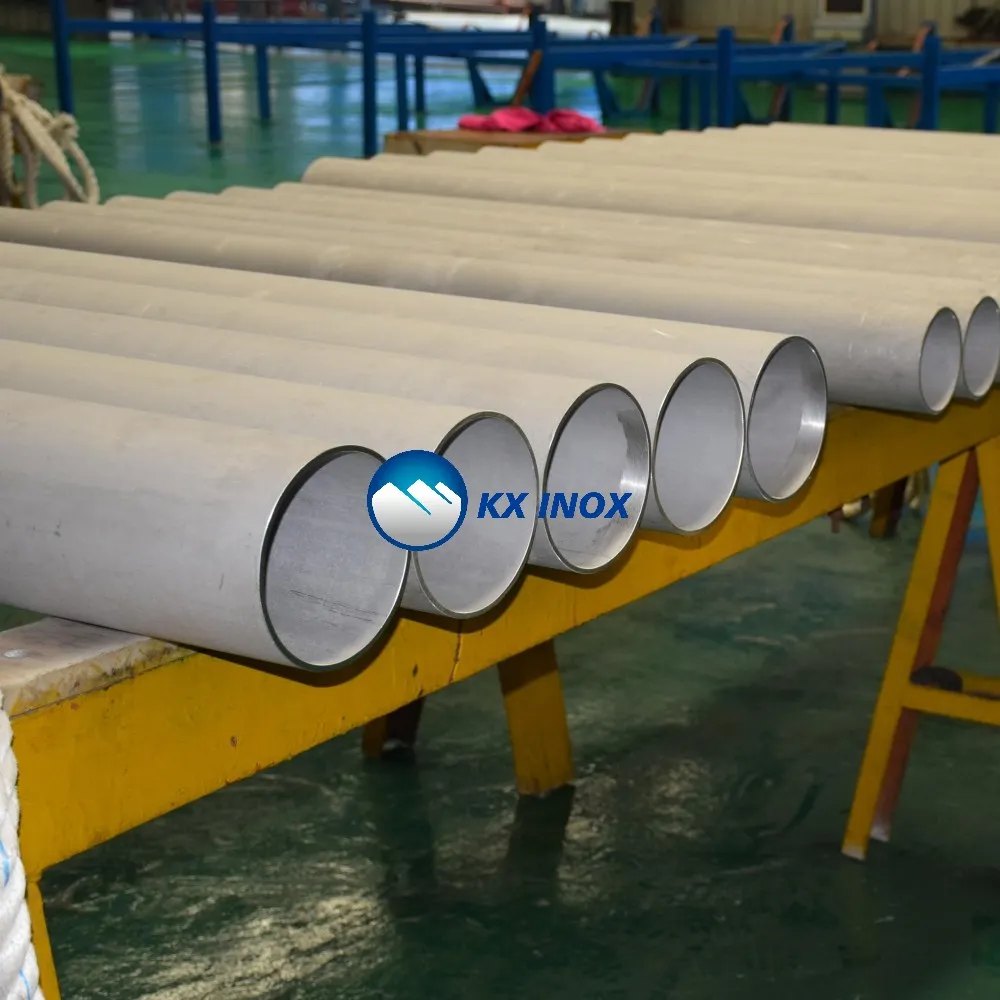
A312 pipes follow the Nominal Pipe Size (NPS) and Schedule system, which uses standardized thicknesses like Sch 10 or Sch 40. Conversely, A511 mechanical tubing is ordered by exact physical dimensions, such as your precise outside diameter and wall thickness, allowing for much tighter engineering tolerances.
Surface Quality and Aesthetics
A312 pipes are usually hot-finished and pickled, leaving a dull, matte grey industrial finish. Since A511 is often cold-finished, it arrives with a much smoother, brighter surface that looks better in architectural projects and is significantly easier for your machine shop team to work with.
Mandatory Testing and Quality Control
A312 pipes must undergo hydrostatic or non-destructive electric tests to ensure they are 100% leak-proof under pressure. In contrast, A511 tests focus on mechanical properties like hardness and tensile strength, ensuring the metal can handle the physical stress of being a heavy-duty machine component.
Wall Thickness and Shape Flexibility
A312 is restricted to standardized pipe schedules which limit how thick the steel can be. A511 is far more flexible, offering “Hollow Bar” options with incredibly heavy walls. This makes it the superior choice when your project requires massive structural strength or deep internal drilling.
Comparison Table: ASTM A312 vs ASTM A511
| Kenmerk | ASTM A312 | ASTM A511 |
| Primary Goal | Moving Fluids: Built for carrying liquids, gases, and high-pressure steam. | Building Parts: Built as the backbone for machine parts, shafts, and frames. |
| How to Order | NPS & Schedule: Based on standard pipe sizes (e.g., NPS 2″ Sch 40). | Exact Dimensions: Based on precise Outside Diameter (OD) and Wall Thickness. |
| Surface Look | Industrial Grey: Usually hot-finished and pickled with a dull, matte finish. | Smooth & Bright: Often cold-finished, providing a cleaner look for architecture. |
| Safety Testing | Leak-Proof: Mandatory pressure or electric tests to ensure zero leakage. | Strength-Focused: Focuses on hardness and tensile strength for machining. |
| Shape & Wall | Round Only: Limited to standard round pipes with fixed thicknesses. | Highly Flexible: Offers square, rectangular, and “Hollow Bar” heavy-wall options. |
4 Stainless Steel Material Grades
The standard (A312 or A511) is the blueprint, but the “Grade” is the ingredient list. Choosing the wrong grade is like using salt instead of sugar—the result won’t be what you wanted.
Grade 304/304L: This is the most common grade. It’s strong, easy to weld, and resists rust in most normal conditions. If you are building for an indoor factory or a kitchen, 304 is usually the perfect balance of price and performance.
Grade 316/316L: If your project is near the ocean or involves harsh chemicals like chlorides, 304 will rust. You need 316. It has a secret ingredient called Molybdenum that acts like a chemical shield against “pitting” (those tiny rust holes that eat through metal).
Grade 321/310S: Some pipes have to live inside furnaces or jet engines. These grades can handle massive heat (up to 1100℃) without turning into a pile of rust flakes.
Duplex Grades: These are the elite. They are twice as strong as regular 304. Because they are so strong, you can often use a thinner pipe to do the same job, which can actually save you weight and money on massive projects like oil rigs.
3 Tips for Your Next Stainless Steel Pipe Purchase
Before you hit “send” on that purchase order, keep these three tips in your back pocket to avoid the most common headaches in the industry:
Check the MTR (Material Test Report): Always ask for the MTR. This paper proves the steel was tested and actually meets the astm a312 pdf or A511 requirements.
The “L” Matters: You’ll see grades like 304 and 304L. The “L” stands for Low Carbon. If you are going to be doing a lot of welding, always choose the “L” version. It prevents the area around the weld from rusting later on.
Think About the Finish: Do you need the pipe to be “Pickled and Annealed” (dull grey but very clean) or “Polished” (shiny like a mirror)? Polishing isn’t just for looks; in food and pharma, a shiny surface is easier to clean and keep bacteria-free.
Gereelde vrae
What is the astm and why do I need it?
It is a global organization that sets technical standards to ensure material quality and safety.
Can I use ASTM A511 tubing for a high-pressure water line?
No. It is not leak-tested. Use ASTM A312 for any fluid-carrying pressure applications.
What is the most popular stainless steel grade for food processing?
Grade 304 is the standard, though Grade 316 is used for salty or acidic foods.
Where do I get the astm a312 standard pdf?
You can ask your supplier for a technical summary sheet.
Gevolgtrekking
Understanding ASTM A312 and ASTM A511 ensures your project stands the test of time. Whether you need pressure-ready strength or mechanical precision, choosing the right stainless steel tubing saves money and stress. As leading stainless steel tube suppliers china, we help your business move forward with confidence. Ready to upgrade your supply chain? Contact Kaixin today for a technical consultation or a competitive quote on your next project!
 English
 Afrikaans
 Arabic
 Bengali
 Catalan
 Chinese
 French
 Dutch (Belgium)
 Dutch
Dutch German
 Czech
Czech Greek
Greek Hindi
Hindi Japanese
 Italian
 Portuguese
 Spanish (Chile)
 Spanish (Colombia)
 Spanish (Argentina)
 Persian
 Estonian
 Albanian
 Russian
 Spanish (Peru)
 Indonesian
 Thai
Thai Vietnamese
 Georgian
 Korean
 Nepali
 Polish
 Ukrainian
 Malayalam
 Xhosa
Xhosa