 Wenzhou Kaixin Kaixin Metal Co.,LTD

Einführung
Picking the right pipe can feel like a maze. Whether you’re building a chemical plant or a high-end machine, the “alphabet soup” of stainless steel pipe grades and steel pipe material grades matters. This guide breaks down the astm standard options simply, helping your business choose the best stainless steel tubing for performance and safety.
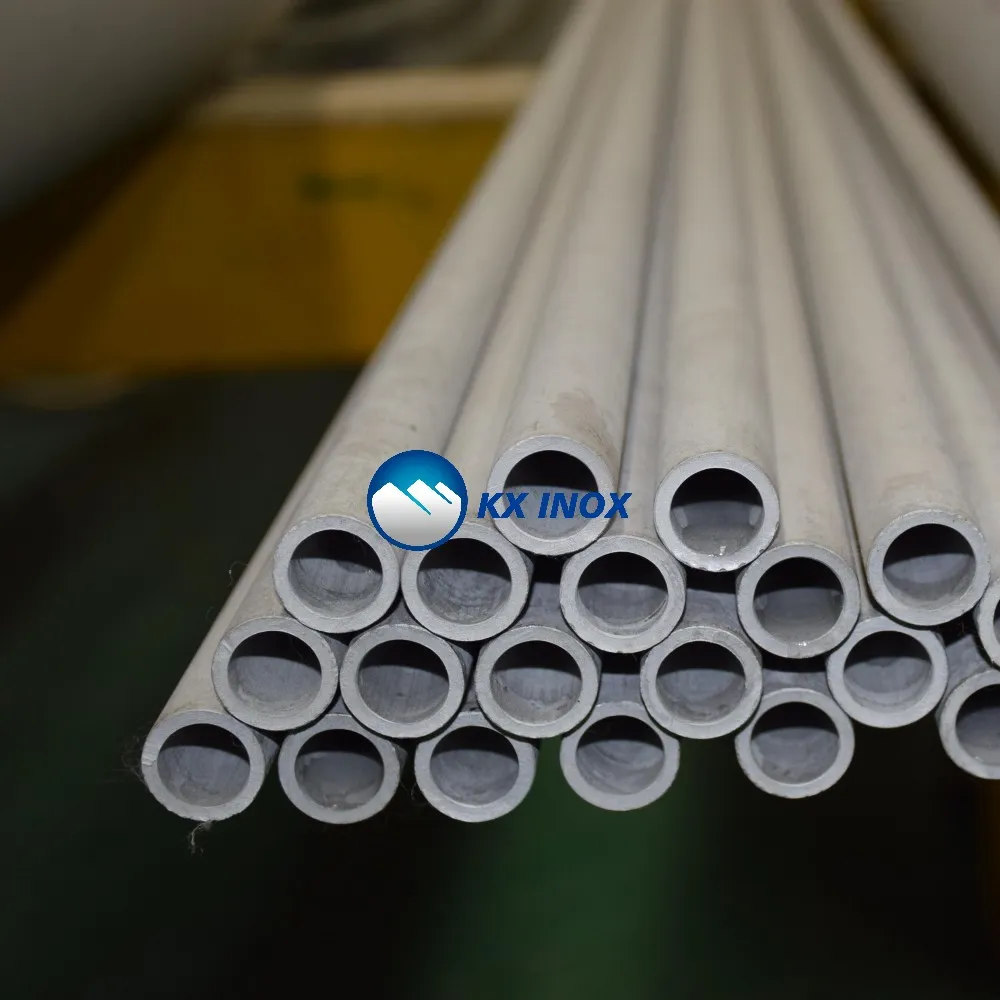
Was ist die ASTM-Norm?
You might see these four letters on every crate of steel you order, but what does ASTM stand for exactly? It is the American Society for Testing and Materials. Think of it as the “global rulebook” for manufacturing—a massive library of recipes that ensures the steel you buy today works exactly like the steel you bought five years ago.
Eine gemeinsame Sprache: When you talk to seamless pipe manufacturers, using an astm specification ensures everyone is on the same page. Without these codes, “high quality” would just be an opinion. With them, it’s a measurable fact.
Sicherheit geht vor: An astm stainless steel certification isn’t just paperwork; it’s a shield. It ensures the metal won’t crack under the pressure of a boiling boiler or the freezing chill of an offshore gas line.
Der Goldstandard: In the world of the stainless steel standard, these codes are a promise. They tell you exactly what’s inside—how much chrome is there to stop rust and how much nickel is there for strength.
Wie man sich zwischen den beiden Standards entscheidet
Once you understand the “rulebook,” the next step is picking the right “recipe” for your project. In the world of industrial metal, two names pop up often: A312 and A511.
If you put them side-by-side on a table, they might look identical to the naked eye. They are both shiny, heavy, and cold to the touch. But beneath the surface, they are built for completely different lives. One is a marathon runner designed for endurance (A312), and the other is a gymnast designed for precision (A511). Let’s start with the “Pipe” that keeps most industrial plants running.
Warum sollten Edelstahlrohre nach ASTM A312 für Druck- und Korrosionsanwendungen verwendet werden?
Wenn bei Ihrem Projekt Flüssigkeiten oder Gase unter hohem Druck durch eine Leitung strömen, suchen Sie wahrscheinlich nach ASTM A312-Edelstahlrohr. Think of this as the “veins and arteries” of an industrial plant. It’s built to move stuff from point A to point B without leaking or bursting.
Wenn es heiß hergeht: We call this the heavyweight champion because it is specifically designed for “High-Temperature and General Corrosive Service.” If you are moving boiling chemicals, acidic waste, or salty seawater, A312 is the one that won’t let you down.
The “Pipe” vs. “Tube” Secret: Here’s a tip—in the industry, we call this a “Pipe” for a reason. It follows the Nominal Pipe Size (NPS) rules. This means the engineers who designed it care most about the space inside where the fluid flows. They want to know exactly how many gallons per minute can zoom through that line.
Ein Sicherheitsversprechen: Sie können durch die ASTM A312-Norm als PDF and you’ll see one word over and over: Testing.
Kein Platz für Undichtigkeiten: Every single length usually gets hit with a “leak test” before it leaves the factory floor. We use water pressure or electricity to find tiny holes that the human eye could never see. It’s a rigorous process because, let’s face it, a tiny pinhole in a high-pressure chemical line isn’t just a repair job—it’s a major safety hazard for your whole team.
Inwiefern unterscheiden sich Edelstahlrohre nach ASTM A511 hinsichtlich ihrer Präzision?
Now, let’s pivot. Sometimes you aren’t moving acid through a line; maybe you’re machining a precise gear, a hydraulic piston, or a hollow shaft for a motor. That is where the astm a511 stainless steel tube steps in.
Präzision ist das A und O: A511 is for “Mechanical Tubing.” While A312 (the pipe) cares about the flow inside, A511 cares about the dimensions of the metal itself. If A312 is about the hole, A511 is about the wall.
Machinist’s Best Friend: Stellen Sie sich vor, Sie müssen ein Rohr auf eine Drehmaschine aufspannen und es so bearbeiten, dass es perfekt in eine Maschine passt. Sie möchten, dass das ASTM A511 PDF specs. The tolerances are much tighter, meaning the tube is straighter, the walls are more even, and it is perfectly “round.” This saves you hours of machining time and prevents wasted material.
Kein Druck: Unlike A312, A511 isn’t usually required to undergo pressure testing. Why? Because its job is to be strong and accurately shaped, not to carry pressurized gas. It’s about structural strength and how well the metal cuts, welds, and bends without deforming.
Formenvielfalt: Life isn’t always round. You’ll find square, rectangular, and even custom-shaped steel tubes under this stainless steel tubing standard. If you are building a frame for a cleanroom or a support for a pharmaceutical conveyor, this is your go-to.
5 wesentliche Unterschiede zwischen ASTM A312 und ASTM A511
It’s easy to get confused when you are looking at a quote. Use this simple guide to make sure you are buying exactly what your engineers asked for:
Die Hauptfunktion
Wenn Ihr Unternehmen Flüssigkeiten, Gase oder Hochdruckdampf befördert, ist A312 das bewährte Arbeitstier der Branche, das speziell für Durchfluss und Eindämmung entwickelt wurde. Wenn Sie hingegen ein Maschinenteil, eine Antriebswelle oder einen Tragrahmen fertigen, ist A511 darauf ausgelegt, das tragende Rückgrat Ihrer Anlagen zu bilden.
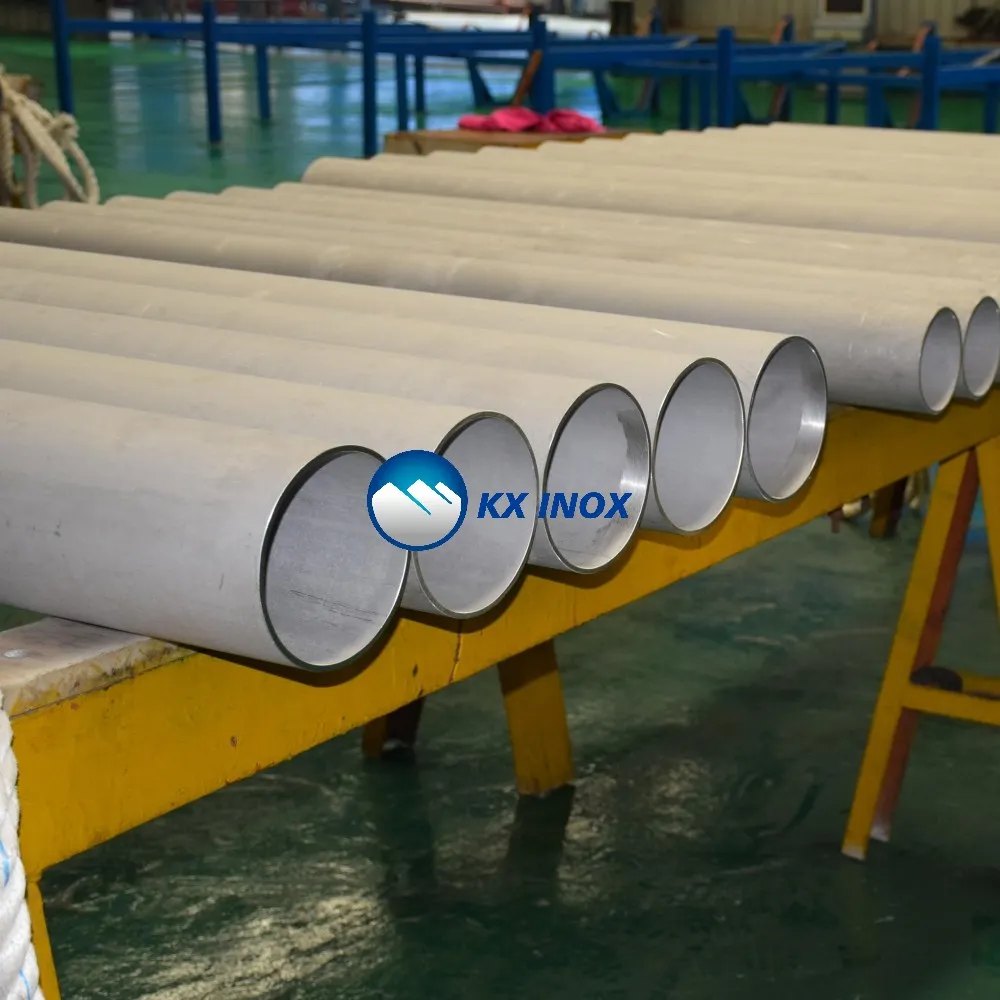
Wie Größen berechnet und bestellt werden
A312-Rohre folgen dem NPS- und Schedule-System (Nominal Pipe Size), bei dem standardisierte Wandstärken wie Sch 10 oder Sch 40 verwendet werden. Im Gegensatz dazu werden mechanische Rohre nach A511 anhand exakter physikalischer Abmessungen bestellt, wie beispielsweise dem genauen Außendurchmesser und der Wandstärke, was wesentlich engere technische Toleranzen ermöglicht.
Oberflächenqualität und Ästhetik
A312-Rohre werden in der Regel warmgefertigt und gebeizt, wodurch eine matte, graue Industrieoberfläche entsteht. Da A511 häufig kaltgefertigt wird, weist es eine wesentlich glattere, glänzendere Oberfläche auf, die in Architekturprojekten besser zur Geltung kommt und für Ihr Team in der Werkstatt deutlich einfacher zu bearbeiten ist.
Obligatorische Prüfungen und Qualitätskontrolle
A312-Rohre müssen hydrostatischen oder zerstörungsfreien elektrischen Prüfungen unterzogen werden, um sicherzustellen, dass sie unter Druck gemäß 100% dicht sind. Im Gegensatz dazu konzentrieren sich die A511-Prüfungen auf mechanische Eigenschaften wie Härte und Zugfestigkeit, um sicherzustellen, dass das Metall den physikalischen Belastungen standhält, die als hochbelastbares Maschinenbauteil auf es einwirken.
Wandstärke und Flexibilität bei der Formgebung
A312 is restricted to standardized pipe schedules which limit how thick the steel can be. A511 is far more flexible, offering “Hollow Bar” options with incredibly heavy walls. This makes it the superior choice when your project requires massive structural strength or deep internal drilling.
Vergleichstabelle: ASTM A312 vs. ASTM A511
| Merkmal | ASTM A312 | ASTM A511 |
| Hauptziel | Fördermedien: Konzipiert für den Transport von Flüssigkeiten, Gasen und Hochdruckdampf. | Bauteile: Dienen als tragendes Element für Maschinenteile, Wellen und Rahmen. |
| So bestellen Sie | NPS & Schedule: Based on standard pipe sizes (e.g., NPS 2″ Sch 40). | Genaue Abmessungen: Basierend auf dem genauen Außendurchmesser (OD) und der Wandstärke. |
| Oberflächenoptik | Industriegrau: In der Regel warmgewalzt und gebeizt, mit einer matten Oberfläche. | Glatt und glänzend: Oft kaltverformt, wodurch ein klareres Erscheinungsbild in der Architektur entsteht. |
| Sicherheitsprüfungen | Dichtheit: Obligatorische Druck- oder elektrische Prüfungen, um eine absolute Dichtheit sicherzustellen. | Festigkeitsorientiert: Der Schwerpunkt liegt auf Härte und Zugfestigkeit für die spanende Bearbeitung. |
| Form & Wand | Nur rund: Beschränkt auf Standard-Rundrohre mit festen Wandstärken. | Highly Flexible: Offers square, rectangular, and “Hollow Bar” heavy-wall options. |
4 Edelstahlsorten
The standard (A312 or A511) is the blueprint, but the “Grade” is the ingredient list. Choosing the wrong grade is like using salt instead of sugar—the result won’t be what you wanted.
Güteklasse 304/304L: This is the most common grade. It’s strong, easy to weld, and resists rust in most normal conditions. If you are building for an indoor factory or a kitchen, 304 is usually the perfect balance of price and performance.
Güteklasse 316/316L: If your project is near the ocean or involves harsh chemicals like chlorides, 304 will rust. You need 316. It has a secret ingredient called Molybdenum that acts like a chemical shield against “pitting” (those tiny rust holes that eat through metal).
Güteklasse 321/310S: Manche Rohre müssen in Öfen oder Strahltriebwerken eingesetzt werden. Diese Werkstoffsorten halten extremer Hitze (bis zu 1100 ℃) stand, ohne zu einem Haufen Rostflocken zu verkommen.
Duplex-Güten: Das sind die Spitzenprodukte. Sie sind doppelt so fest wie herkömmliches 304er-Edelstahl. Da sie so fest sind, kann man für denselben Zweck oft ein dünneres Rohr verwenden, was bei Großprojekten wie Ölplattformen tatsächlich Gewicht und Kosten spart.
3 Tipps für Ihren nächsten Kauf von Edelstahlrohren
Before you hit “send” on that purchase order, keep these three tips in your back pocket to avoid the most common headaches in the industry:
Überprüfen Sie den MTR (Materialprüfbericht): Fragen Sie immer nach dem MTR. Dieses Dokument belegt, dass der Stahl geprüft wurde und tatsächlich die Anforderungen der Norm ASTM A312 (PDF) bzw. A511 erfüllt.
The “L” Matters: You’ll see grades like 304 and 304L. The “L” stands for Low Carbon. If you are going to be doing a lot of welding, always choose the “L” version. It prevents the area around the weld from rusting later on.
Denken Sie an das Endergebnis: Do you need the pipe to be “Pickled and Annealed” (dull grey but very clean) or “Polished” (shiny like a mirror)? Polishing isn’t just for looks; in food and pharma, a shiny surface is easier to clean and keep bacteria-free.
Häufig gestellte Fragen
Was ist der ASTM und wozu brauche ich ihn?
Es handelt sich um eine weltweit tätige Organisation, die technische Standards festlegt, um die Qualität und Sicherheit von Materialien zu gewährleisten.
Kann ich Rohre nach ASTM A511 für eine Hochdruck-Wasserleitung verwenden?
Nein. Es wurde nicht auf Dichtheit geprüft. Verwenden Sie ASTM A312 für alle Anwendungen, bei denen unter Druck stehende Flüssigkeiten zum Einsatz kommen.
Welcher Edelstahlwerkstoff ist in der Lebensmittelverarbeitung am beliebtesten?
Die Güteklasse 304 ist der Standard, für salzhaltige oder säurehaltige Lebensmittel wird jedoch die Güteklasse 316 verwendet.
Wo bekomme ich das ASTM A312-Norm als PDF?
Sie können bei Ihrem Lieferanten ein technisches Datenblatt anfordern.
Schlussfolgerung
Wenn Sie die Normen ASTM A312 und ASTM A511 verstehen, stellen Sie sicher, dass Ihr Projekt den Test der Zeit besteht. Ganz gleich, ob Sie Druckfestigkeit oder mechanische Präzision benötigen – die Wahl der richtigen Edelstahlrohre spart Geld und Nerven. Als führender Lieferant von Edelstahlrohren in China helfen wir Ihrem Unternehmen, zuversichtlich voranzukommen. Sind Sie bereit, Ihre Lieferkette zu optimieren? Kontaktieren Sie Kaixin Kontaktieren Sie uns noch heute für eine technische Beratung oder ein wettbewerbsfähiges Angebot für Ihr nächstes Projekt!
 English
 Afrikaans
 Arabic
 Bengali
 Catalan
 Chinese
 French
 Dutch (Belgium)
 Dutch
Dutch German
 Czech
Czech Greek
Greek Hindi
Hindi Japanese
 Italian
 Portuguese
 Spanish (Chile)
 Spanish (Colombia)
 Spanish (Argentina)
 Persian
 Estonian
 Albanian
 Russian
 Spanish (Peru)
 Indonesian
 Thai
Thai Vietnamese
 Georgian
 Korean
 Nepali
 Polish
 Ukrainian
 Malayalam
 Xhosa
Xhosa