 Wenzhou Kaixin Kaixin Metal Co., LTD.

Introduction
In extreme industrial environments, standard steel often falls short. This is where stainless nickel alloy piping products become essential for your business safety. This guide explores why nickel is the secret ingredient in high-performance systems and how to choose the right nickel alloy pipe for your long-term infrastructure needs.
Is Nickel Used in Stainless Steel?
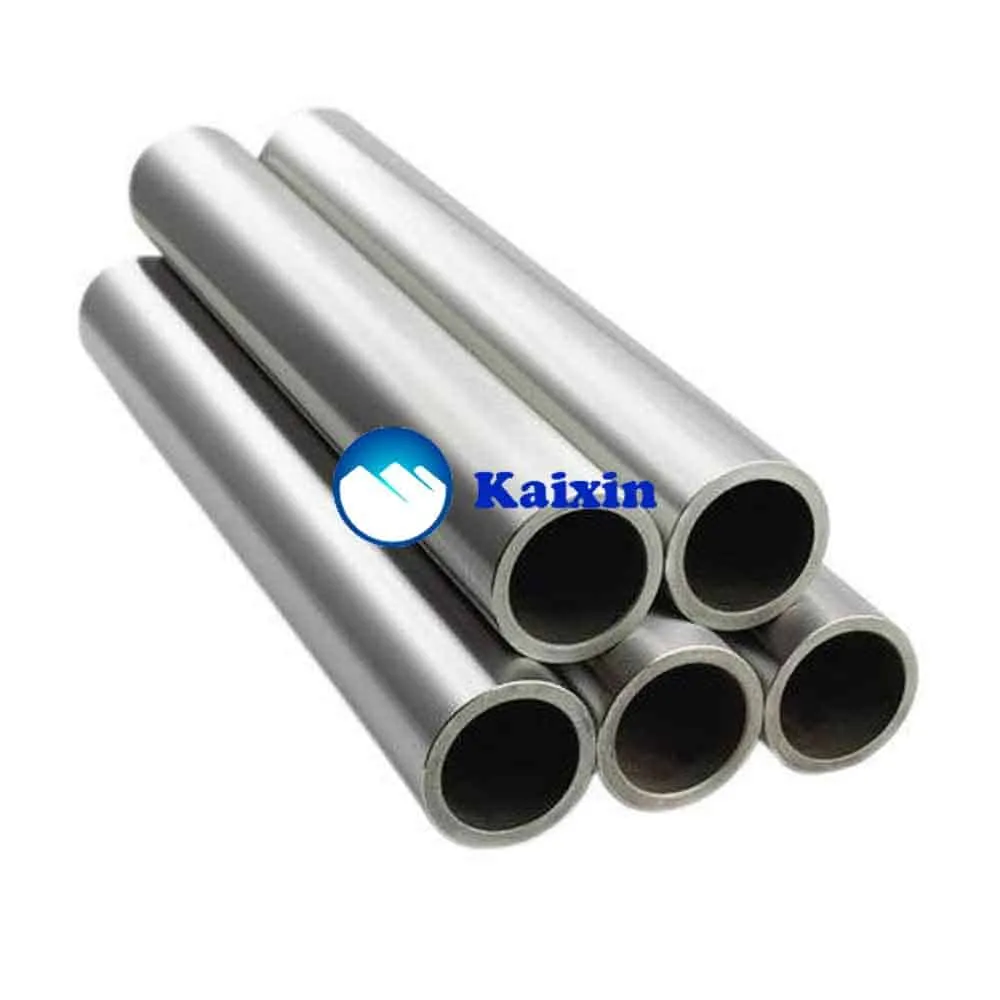
If you have ever wondered what makes certain metals stay shiny and strong in nasty environments while others crumble into rust, the answer is usually nickel. It is the silent hero behind the scenes.
The Invisible Shield
Nickel does something magical at the microscopic level. It stabilizes the structure of the steel, making it non-magnetic and incredibly resistant to heat. Without it, your pipes would be brittle and prone to cracking under thermal stress.
Nickel Content vs. Performance
In most common nickel alloy stainless steel, you will find nickel levels between 8% and 14%. As that percentage goes up, so does the metal’s ability to fight off oxidation. It is the difference between a pipe that lasts two years and one that lasts twenty.
The Threshold of “Superalloys”
When the nickel content crosses the 50% mark, the material enters a whole new league. These aren’t just your standard pipes anymore; they are high-performance stainless nickel alloy piping products designed for the most aggressive chemical storms on earth.
What are the Main Types of Stainless Steel Pipes Used in Industry
Walking onto a job site, you might see hundreds of pipes that all look the same. But under the surface, the types of stainless steel pipes vary wildly depending on their “recipe.” The performance of these stainless nickel alloy piping products is almost entirely dictated by how much nickel is added to the mix.
To help your business navigate the technical jargon, here is a breakdown of the most common stainless nickel alloy pipes by their metallurgical “family” and specific grades:
| Pipe Category | Common Grades | Nickel Content (%) | Best For… |
| Austenitic | 304/304L, 316/316L | 8% – 14% | General corrosion resistance; food, beverage, and pharma lines. |
| Super-Austenitic | 904L, Alloy 20 | 23% – 35% | High-acid environments; sulfuric and phosphoric acid processing. |
| Duplex | 2205, 2507 | 4.5% – 8% | High-pressure offshore lines; salt-water desalination plants. |
| Ferritic / Martensitic | 409, 430, 410 | < 2% | Exhaust systems and high-wear mechanical parts; magnetic. |
| Nickel-Base Alloys | Inconel 625, Monel 400 | 50% – 72% | Extreme heat and deep-sea environments; virtually rust-proof. |
Austenitic Pipes: The High-Nickel Workhorses
Grades like SS 304 and 316 dominate the market because they are essentially the most reliable stainless nickel alloy pipes for everyday use. With nickel levels ranging from 8% to 14%, they are easy to weld, tough to break, and handle a wide range of temperatures. If your business moves water, food, or mild chemicals, these are your best friends.
Duplex and Super Duplex: The Hybrid Strength
These pipes have a mixed “duplex” structure of austenite and ferrite. By balancing the nickel content, they offer double the strength of standard austenitic pipes. You will usually see these high-performance stainless nickel alloy piping products in high-pressure offshore lines where weight and strength are both critical.
Ferritic and Martensitic: Low-Nickel Specialists
Unlike the nickel-rich 300-series, these have lower nickel content and are often magnetic. While they aren’t as rust-proof as higher-grade nickel alloy stainless steel, they are great for high-wear applications or when your project needs specific magnetic properties.
Super-Austenitic Pipes: The Pinnacle of Nickel Alloys
When standard pipes fail, industry turns to advanced stainless nickel alloy pipes like 904L. These are packed with up to 25% nickel and additional copper to survive in environments where others would simply dissolve.
Why Choose a Nickel Alloy Pipe Over Standard Alloy Steel Pipe
Many procurement managers look at a quote for an alloy steel pipe and a nickel alloy pipe and wonder why the price gap exists. It comes down to survival.
Chemical Survival vs. Mechanical Toughness
A standard alloy steel pipe is incredibly strong and great for structural support. But drop it in a tank of sulfuric acid, and it will dissolve. A nickel-rich pipe, however, creates a passive layer on its surface that laughs off chemical attacks.
The Heat Factor
Standard steel gets “tired” when it gets hot. It loses its shape and strength. Nickel keeps the metal’s “backbone” straight even at temperatures that would make other alloys glow and sag.
Investing in Peace of Mind
Choosing a nickel alloy pipe is essentially an insurance policy. You are paying more upfront to avoid the catastrophic cost of a pipe burst, a chemical leak, or a total factory shutdown.
How Does Nickel Influence the Fabrication of Stainless Steel Pipes
The way a pipe behaves in the shop is just as important as how it behaves in the field. Nickel changes the game during manufacturing.
Cleaner, Stronger Welds
During the metal tube fabrication process, nickel helps the molten metal flow more smoothly. This leads to deeper penetration and fewer air bubbles in the weld pool. For your business, this means a joint that won’t fail when the pressure rises.
Flexibility Without Cracking
Nickel adds “ductility.” This is a fancy way of saying the pipe can bend and flare without snapping like a dry twig. This makes installation much faster and safer for your team on-site.
Smooth Surface Finishes
If you work in the pharmaceutical or food industry, you know that “smooth” is a safety requirement. Nickel helps achieve a mirror-like finish that prevents bacteria from hiding in tiny microscopic cracks.
5 Critical Applications for Stainless Nickel Alloy Piping Products
Where do these high-end stainless nickel alloy piping products actually go to work? Usually, they are in the places where humans can’t safely stand.
Oil & Gas (Downhole): Handling “sour gas” that is filled with hydrogen sulfide. Regular pipes would turn into Swiss cheese in weeks; nickel alloys hold firm.
Chemical Processing: Moving aggressive reducing acids. In these plants, nickel is the only thing standing between a productive day and a hazardous spill.
Power Generation: Managing high-pressure steam lines. The thermal stress in a power plant is brutal, requiring the stability that only nickel provides.
Marine Engineering: Fighting off the constant attack of salt-water pitting. For desalination plants, 904L or high-nickel pipes are the industry standard.
Aerospace: Providing lightweight, high-strength fuel lines that can survive the extreme vibration and temperature shifts of flight.
How to Source Quality Stainless Nickel Alloy Piping Products from China
Sourcing nickel alloy stainless steel from a china stainless steel tube supplier is a smart way to manage your project budget, provided you follow the “Golden Rules” of technical procurement. Because stainless nickel alloy pipes are high-value assets, you cannot afford to take shortcuts during the auditing phase.
Demand the MTR (Mill Test Report): Never take a supplier’s word for it. The MTR is the birth certificate of your stainless nickel alloy piping products. It should list the exact percentage of nickel, chromium, and molybdenum. For high-performance lines, a 1% deviation in nickel can be the difference between success and a catastrophic leak.
Verify International Standards: Ensure the pipes meet global benchmarks like ASTM or ASME. Professional suppliers who specialize in nickel alloy stainless steel will be happy to show you their ISO certifications and third-party inspection reports. If they hesitate to provide documentation, they aren’t the right partner for your business.
The Spectrometer Test: When sourcing stainless nickel alloy pipes from overseas, ask for a “Live” PMI (Positive Material Identification) test. A pro supplier will use a handheld device to prove the chemical composition right on the factory floor before the goods are packed.
Watch the Packaging and Logistics: High-value nickel alloy pipe should never be thrown loose into a shipping container. Demand reinforced wooden crates and plastic end-caps. If a premium pipe arrives with deep scratches, the protective “passive layer” is compromised before it even enters service.
Korduma kippuvad küsimused
What makes nickel alloy pipes different from regular stainless steel?
Nickel alloys contain much higher nickel percentages (often >50%), offering superior heat and acid resistance over standard stainless.
Does more nickel always mean better corrosion resistance?
Generally, yes. Higher nickel content significantly improves resistance to stress corrosion cracking and high-temperature oxidation.
Can I weld nickel alloy pipe to standard alloy steel pipe?
Yes, but you must use specialized filler metals to ensure the joint doesn’t become brittle or rust.
Is nickel used in stainless steel 304?
Yes, 304 typically contains about 8% to 10.5% nickel to maintain its rust-proof properties.
Why are nickel alloy piping products more expensive?
Nickel is a precious commodity with a volatile market price, and the alloying process is technically complex.
Is nickel-alloy pipe magnetic?
Most high-nickel austenitic pipes are non-magnetic, which is a key requirement for certain electronics and naval applications.
Can 304 stainless steel pipes rust?
Yes, 304 can rust if exposed to high salt or chloride levels without proper maintenance.
Kokkuvõte
Investing in stainless nickel alloy piping products is the smartest way to ensure your facility survives the toughest industrial conditions. Whether you need a standard nickel alloy pipe or a custom high-temp solution, quality starts with the right materials. Contact Kaixin today to get an expert quote on your high-performance piping needs!
 English
 Afrikaans
 Arabic
 Bengali
 Catalan
 Chinese
 French
 Dutch (Belgium)
 Dutch
Dutch German
 Czech
Czech Greek
Greek Hindi
Hindi Japanese
 Italian
 Portuguese
 Spanish (Chile)
 Spanish (Colombia)
 Spanish (Argentina)
 Persian
 Estonian
 Albanian
 Russian
 Spanish (Peru)
 Indonesian
 Thai
Thai Vietnamese
 Georgian
 Bhojpuri
 Moroccan Arabic
 Korean
 Nepali
 Polish
 Ukrainian
 Malayalam
 Xhosa
Xhosa