 Wenzhou Kaixin Metaal Co, LTD

Inzicht in de levensduur van roestvrijstalen buizen
Roestvrijstalen buizen worden gewaardeerd omdat ze sterkte, corrosiebestendigheid, hygiëne en een lange levensduur in één materiaal combineren. Hun daadwerkelijke levensduur hangt af van de kwaliteit van het roestvrij staal, de gekozen kwaliteit, de omgeving rondom de buis, de vloeistof of het gas dat erdoorheen stroomt, en hoe goed het systeem is geïnstalleerd en onderhouden. In deze gids wordt uitgelegd welke factoren de levensduur van roestvrijstalen buizen beïnvloeden en hoe u betere beslissingen kunt nemen bij het kiezen, gebruiken of inspecteren van roestvrijstalen leidingen.
Wat bepaalt de levensduur van roestvrijstalen buizen?
De levensduur van roestvrijstalen buizen wordt bepaald door de mate waarin het buismateriaal is afgestemd op de gebruiksomstandigheden. Een roestvrijstalen buis van hoge kwaliteit kan in de juiste omgeving vele decennia meegaan, maar dezelfde buis kan een kortere levensduur hebben als deze wordt blootgesteld aan agressieve chemicaliën, onjuiste installatietechnieken, stilstaand water, hoge chloridegehaltes of mechanische schade.
De duurzaamheid van roestvrij staal is te danken aan een dunne, zelfherstellende passieve laag die zich op het oppervlak van het metaal vormt. Deze beschermende laag helpt roest en corrosie tegen te gaan wanneer er zuurstof aanwezig is en het materiaal compatibel is met de omgeving. Als die laag sneller beschadigd raakt dan dat ze zichzelf kan herstellen, kan corrosie ontstaan, waardoor de levensduur van de buizen afneemt en het risico op lekkages, verontreiniging of systeemstoringen toeneemt.
Er spelen verschillende factoren een rol:
- Materiaalkwaliteit: Verschillende roestvrijstaalsoorten hebben een verschillende mate van corrosiebestendigheid.
- Vloeistofchemie: Zuren, zouten, chloriden en reinigingsmiddelen kunnen de prestaties beïnvloeden.
- Temperatuur: Hogere temperaturen kunnen bij bepaalde toepassingen het risico op corrosie vergroten.
- Druk en debiet: Extreme bedrijfsomstandigheden kunnen slijtage of belasting versnellen.
- Kwaliteit van de installatie: Slecht laswerk, verontreiniging of onjuiste steunen kunnen de levensduur verkorten.
- Onderhoudspraktijken: Door regelmatig te controleren kunnen vroege waarschuwingssignalen worden opgemerkt voordat problemen ernstig worden.
Met andere woorden: roestvrij staal is geen “one-size-fits-all”-oplossing. De lange levensduur is te danken aan de keuze voor de juiste kwaliteit en het waarborgen van de omstandigheden waarin het materiaal goed presteert.
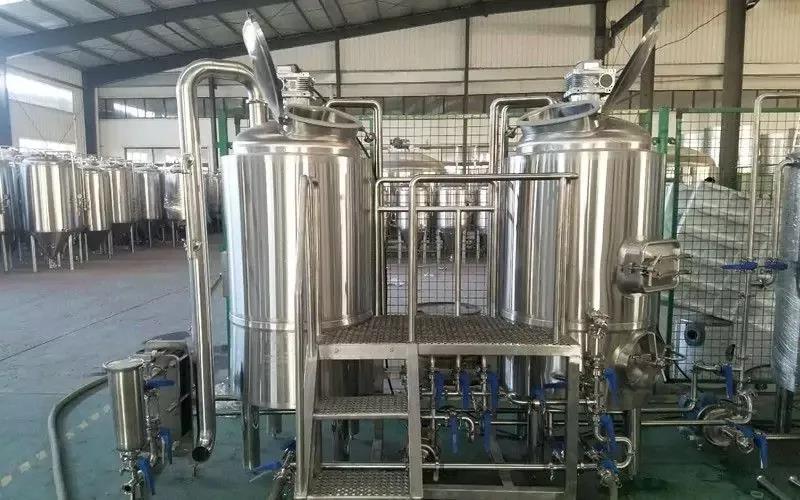
De duurzaamheid van roestvrij staal begint bij de passieve laag
De sleutel tot de duurzaamheid van roestvrij staal is chroom. Roestvrij staal bevat chroom, dat met zuurstof reageert en zo een zeer dunne oxidelaag op het oppervlak vormt. Deze passieve laag is met het blote oog niet zichtbaar, maar zorgt ervoor dat roestvrij staal een veel betere corrosiebestendigheid heeft dan gewoon koolstofstaal.
Wanneer het oppervlak in een geschikte omgeving wordt bekrast, kan de passieve laag zich op natuurlijke wijze herstellen. Daarom blijft roestvrij staal er ook na jarenlang gebruik nog steeds mooi en functioneel uitzien. De laag is echter niet onverwoestbaar. Als de buis wordt blootgesteld aan omstandigheden die de passieve laag te boven gaan, kan plaatselijke corrosie optreden.
Veelvoorkomende bedreigingen zijn onder meer:
- Blootstelling aan chloride: Zout water, zeelucht, sommige procesvloeistoffen en bepaalde reinigingsmiddelen kunnen roestvrij staal aantasten.
- Gebieden met zuurstoftekort: Spleten, afzettingen en zones met stilstaand water kunnen ervoor zorgen dat de passieve laag zich niet goed kan vernieuwen.
- Oppervlakteverontreiniging: IJzerdeeltjes afkomstig van gereedschap, slijpwerkzaamheden of contact met koolstofstaal kunnen roestvlekken veroorzaken.
- Onjuiste reiniging: Agressieve chemicaliën of resten kunnen het oppervlak beschadigen of corrosieve afzettingen achterlaten.
- Slechte afwerking van de lasnaad: Warmtetinten, ruwe lasnaden of onreinigde verbindingen kunnen kwetsbare plekken veroorzaken.
Daarom gaat het bij de kwaliteit van roestvrij staal niet alleen om het metaal zelf. Ook de verwerking, de behandeling en de afwerking spelen een rol. Een buis die op de juiste manier wordt opgeslagen, gesneden, gelast en gereinigd, behoudt op de lange termijn eerder zijn corrosiebestendigheid.
De invloed van de roestvrijstaalsoort op de levensduur van buizen
Verschillende materiaalklassen zijn ontworpen voor verschillende omstandigheden. Het kiezen van de juiste materiaalklasse is een van de belangrijkste beslissingen die van invloed zijn op de levensduur van de buizen. Een materiaalklasse die geschikt is voor schoon water in een binnenomgeving, is mogelijk niet geschikt voor zeewater, chemische verwerking of omgevingen waar met chloorhoudende middelen wordt gereinigd.
Austenitische roestvaste staalsoorten
Austenitische staalsoorten worden op grote schaal gebruikt omdat ze een goede corrosiebestendigheid, vervormbaarheid en lasbaarheid bieden. Bekende voorbeelden zijn 304- en 316-roestvrij staal. Kwaliteit 304 is vaak geschikt voor algemene toepassingen, terwijl 316 molybdeen bevat, wat de weerstand tegen put- en spleetcorrosie in chloridehoudende omgevingen verbetert.
Dit betekent niet dat 316 altijd vereist is, of dat het immuun is voor corrosie. Het betekent dat het een betere beschermingsmarge kan bieden wanneer blootstelling aan chloride een punt van zorg is. De keuze tussen verschillende kwaliteiten moet worden gebaseerd op de toepassing, de omgeving, de reinigingspraktijken en de verwachte gebruikseisen.
Duplex roestvast staal
Duplex roestvast staal Ze combineren een hoge sterkte met een verbeterde weerstand tegen bepaalde vormen van corrosie. Ze kunnen worden gebruikt wanneer hogere mechanische prestaties of een grotere weerstand tegen chloride-spanningscorrosiescheuren vereist zijn. Omdat ze een zorgvuldige fabricage en nauwkeurige lascontrole vereisen, worden ze doorgaans gekozen voor veeleisendere industriële toepassingen in plaats van voor eenvoudige, algemene leidingen.
Speciale kwaliteiten
In zeer agressieve omgevingen kan het nodig zijn om meer gespecialiseerde roestvaste staalsoorten of alternatieve legeringen te gebruiken. Deze keuzes hangen doorgaans af van de chemische concentratie, de temperatuur, de druk en wettelijke voorschriften. Wanneer de bedrijfsomgeving zwaar is, moet de materiaalkeuze worden gebaseerd op technische richtlijnen in plaats van op aannames.
Waarom gaan roestvrijstalen buizen eerder kapot dan verwacht?
Roestvrijstalen buizen gaan meestal vroegtijdig kapot omdat het materiaal, de omgeving, de installatie of het onderhoudsplan niet goed op elkaar waren afgestemd. Vroegtijdig falen is vaak geen teken dat roestvrij staal zwak is; het is meestal een teken dat het systeem de buis heeft blootgesteld aan omstandigheden waarvoor deze niet was ontworpen.
Een veelvoorkomende oorzaak is corrosie door chloriden. Chloriden kunnen kleine putjes veroorzaken die door de buiswand heen dringen, zelfs als de rest van het oppervlak er schoon uitziet. Putcorrosie is gevaarlijk omdat deze plaatselijk kan optreden, moeilijk te zien is en sneller verloopt dan gelijkmatige oppervlaktecorrosie.
Spleetcorrosie is een ander probleem. Dit kan optreden onder pakkingen, afzettingen, klemmen, isolatie of op plaatsen waar vloeistof vast komt te zitten. In deze nauwe ruimtes kan het zuurstofgehalte afwijken van dat op het open oppervlak, waardoor de passieve laag wordt verzwakt en corrosie kan ontstaan.
Ook de installatie kan de levensduur van roestvrijstalen leidingen verkorten. Voorbeelden hiervan zijn het gebruik van gereedschap van koolstofstaal dat het oppervlak verontreinigt, het niet goed reinigen van lasnaden, het te strak vastdraaien van steunen, het ontstaan van dode hoeken waar water blijft staan, of het in contact laten komen van ongelijksoortige metalen zonder de juiste isolatie. Zelfs een leiding van hoge kwaliteit kan schade oplopen als elementaire installatievoorschriften worden genegeerd.
Om het risico op vroegtijdige storingen te verminderen, kunt u zich richten op de volgende praktische maatregelen:
- Kies de juiste kwaliteit voor de vloeistof en de omgeving. Houd rekening met chloriden, temperatuur, pH-waarde, druk en reinigingsmiddelen.
- Bescherm het oppervlak van de buis tijdens het hanteren. Voorkom verontreiniging met koolstofstaal en onnodige krassen.
- Pas beproefde las- en afwerkingstechnieken toe. Reinig, passeer of behandel lasgebieden wanneer dit voor de toepassing vereist is.
- Ontwerp met het oog op afwatering en doorstroming. Vermijd stilstaande zones, opgesloten vloeistoffen en spleten waarin zich afzettingen kunnen ophopen.
- Controleer regelmatig. Controleer op vlekken, lekken, afzettingen, schade aan de isolatie en tekenen van plaatselijke corrosie.
Omgevingsfactoren die van invloed zijn op de levensduur van roestvrijstalen buizen
De omgeving rondom de leiding kan net zo belangrijk zijn als wat er doorheen stroomt. Binnenomgevingen die droog en schoon zijn, stellen over het algemeen minder hoge eisen. Buitenomgevingen, maritieme omgevingen, industriële omgevingen, vochtige omgevingen of omgevingen waarin de leiding wordt blootgesteld aan chemicaliën vereisen een zorgvuldiger materiaalkeuze en onderhoud.
Blootstelling aan water en vocht
De waterkwaliteit is van belang. Schoon, stromend water is doorgaans minder corrosief dan stilstaand water met een hoog chloridegehalte of een lage zuurstofcirculatie. In leidingsystemen, proceswater- of koelsystemen kunnen afzettingen en biofilm plaatselijke omstandigheden veroorzaken die corrosie bevorderen. Regelmatig doorspoelen, een goed ontwerp en het vermijden van dode hoeken kunnen de levensduur van leidingen helpen verlengen.
Kust- en mariene omstandigheden
Kustlucht bevat zout, en zout verhoogt het risico op corrosie. Roestvrij staal dat in de buurt van de zee wordt gebruikt, vereist mogelijk een roestvastheidsklasse met een hogere weerstand, een betere oppervlakteafwerking en regelmatiger reiniging. In spatzones of bij directe blootstelling aan zeewater bieden standaard roestvrijstalen soorten voor algemeen gebruik mogelijk onvoldoende bescherming.
Blootstelling aan chemische stoffen en industriële stoffen
In chemische fabrieken, voedselverwerkingsbedrijven, laboratoria en productielocaties worden vaak reinigingsmiddelen, ontsmettingsmiddelen, zuren of oplosmiddelen gebruikt. Deze stoffen kunnen op verschillende manieren een reactie aangaan met roestvrij staal. De concentratie, de temperatuur, de blootstellingstijd en de spoelmethoden zijn allemaal van invloed op de levensduur van roestvrijstalen leidingen.
Grond- en ondergrondse installatie
Ondergrondse roestvrijstalen leidingen kunnen te maken krijgen met de chemische samenstelling van de bodem, vocht, zwerfstromen en mechanische belasting. Beschermende omhulling, een goede ondergrond, afwatering en isolatie van onverenigbare materialen kunnen allemaal van belang zijn. De omstandigheden onder de grond lopen sterk uiteen, waardoor aannames op basis van prestaties boven de grond misleidend kunnen zijn.
De kwaliteit van de installatie is een belangrijke factor voor de levensduur
Zelfs de juiste roestvaststaalsoort kan ondermaats presteren als de installatie onzorgvuldig wordt uitgevoerd. Roestvaststalen leidingen moeten worden beschouwd als een corrosiebestendig systeem, en niet slechts als een reeks metalen buizen. Elke snede, las, koppeling, steun en verbinding kan van invloed zijn op de prestaties op de lange termijn.
Een goede montage draagt bij aan een lange levensduur door spanning, vervuiling en corrosiehaarden te verminderen. De juiste steunen voorkomen doorhangen en trillingen. Een correcte voorbereiding van de verbindingen vermindert spleten. Schone laswerkzaamheden beschermen de passieve laag. Compatibele fittingen en pakkingen verkleinen de kans op galvanische of chemische problemen.
Een praktische checklist voor de installatie omvat:
- Houd roestvrij staal gescheiden van slijpstof, vijlsel en opslagrekken van koolstofstaal.
- Gebruik waar mogelijk gereedschap en schuurmiddelen die speciaal voor roestvrij staal zijn bedoeld.
- Verwijder waar nodig lasvlekken of hittevlekken om de corrosiebestendigheid te waarborgen.
- Vermijd onnodige spleten bij verbindingen, klemmen en steunen.
- Zorg voor voldoende helling of afwatering op plaatsen waar stilstaand vocht schadelijk zou kunnen zijn.
- Controleer of de isolatie geen vocht tegen de leiding vasthoudt.
- Gebruik geschikte bevestigingsmiddelen, ophangbeugels, kleppen en koppelingen.
- Voer een druktest uit en controleer het systeem voordat het in gebruik wordt genomen.
Deze details lijken misschien onbelangrijk tijdens de installatie, maar ze kunnen de effectieve levensduur van de leidingen met jaren verlengen.
Onderhoudsmaatregelen die de corrosiebestendigheid waarborgen
Roestvrij staal wordt vaak omschreven als onderhoudsarm, maar onderhoudsarm betekent niet onderhoudsvrij. Het doel is om de toestand van het oppervlak te behouden, schadelijke afzettingen te verwijderen en kleine problemen op te sporen voordat ze uitgroeien tot kostbare defecten.
Bij routine-inspecties moet de aandacht vooral uitgaan naar zichtbare veranderingen. Roestvlekken kunnen het gevolg zijn van vervuiling van het oppervlak in plaats van diepe corrosie, maar moeten toch worden onderzocht. Witte afzettingen, donkere spleten, lekken, vochtige isolatie en verkleuringen rond lasnaden of fittingen kunnen allemaal wijzen op een probleem.
De reiniging moet worden afgestemd op de kwaliteit en de omgeving. Voor algemeen vuil en afzettingen volstaan vaak milde reinigingsmethoden. Chloorhoudende reinigingsmiddelen, schurende hulpmiddelen of chemicaliën die op het oppervlak achterblijven, kunnen risico’s opleveren. Na het reinigen kan het belangrijk zijn om grondig af te spoelen en te drogen, vooral in omgevingen waar resten zich kunnen ophopen.
Bij kritieke systemen kan het onderhoud ook bestaan uit geplande inspecties, metingen van de wanddikte, corrosiecontroles, controles van de waterchemie en het vastleggen van reparaties. Hoe veeleisender de toepassing, hoe formeler het onderhoudsplan moet zijn.
Hoe kun je de levensduur van roestvrijstalen buizen verlengen?
U kunt de levensduur van roestvrijstalen buizen verlengen door de juiste kwaliteit te kiezen, het systeem zo te ontwerpen dat corrosievalkuilen worden vermeden, het oppervlak tijdens de fabricage te beschermen en omstandigheden te handhaven die de passieve laag ondersteunen. De beste aanpak is preventief: het is gemakkelijker om corrosie te voorkomen dan schade te herstellen als deze eenmaal is ontstaan.
Gebruik deze checklist voordat u roestvrijstalen buizen specificeert of vervangt:
- Beschrijf de serviceomgeving. Breng de vloeistof, de temperatuur, de druk, de pH-waarde, het chloridegehalte, de reinigingsmiddelen en de blootstelling aan de buitenlucht in kaart.
- Kies de kwaliteitsklasse op basis van het risico. Kies niet alleen op basis van gewoonte of de aanschafprijs; stem de corrosiebestendigheid af op de daadwerkelijke omstandigheden.
- Bekijk het volledige systeem. Fittingen, kleppen, lasnaden, pakkingen, steunen en isolatie moeten compatibel zijn met de buis.
- Zorg ervoor dat er geen stilstaande zones ontstaan. De doorstroming, afvoer en toegankelijkheid voor reiniging kunnen een groot verschil maken.
- Geef de oppervlakteafwerking en de lasbehandeling aan. Gladde, schone oppervlakken zijn over het algemeen beter bestand tegen afzettingen.
- Zorg voor toegang voor inspectiedoeleinden. Leidingen die niet kunnen worden geïnspecteerd, zijn op de lange termijn moeilijker te beschermen.
- Vereisten voor documentonderhoud. Reinigingsmethoden, inspectie-intervallen en toegestane chemicaliën moeten duidelijk zijn.
Deze aanpak draagt ertoe bij dat de kwaliteit van roestvrij staal zich vertaalt in daadwerkelijke prestaties. De buis is slechts één onderdeel van het systeem, maar wel een onderdeel dat in hoge mate afhankelijk is van de juiste beslissingen die worden genomen voordat de installatie in gebruik wordt genomen.
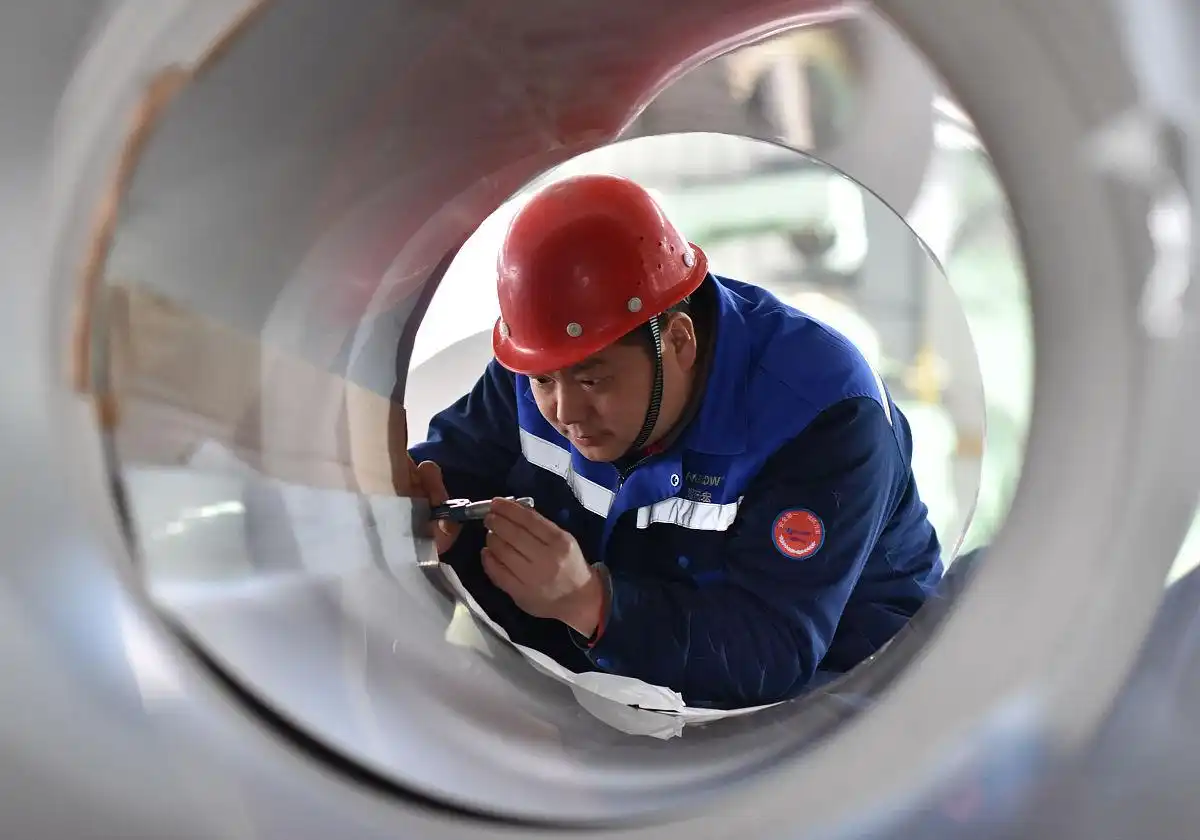
Tekenen dat roestvrijstalen leidingen aandacht nodig hebben
Roestvrijstalen leidingen moeten worden geïnspecteerd wanneer er zichtbare veranderingen, operationele problemen of veranderingen in de omgeving optreden. Sommige tekenen zijn gering en kunnen worden verholpen; andere kunnen wijzen op een groter risico voor de levensduur van de leidingen.
Let op:
- Roestkleurige vlekken, met name rond lasnaden, klemmen of koppelingen
- Kleine putjes, gaatjes of ruwe plekken op het oppervlak
- Lekken, condensatie of vochtige isolatie
- Ongewone verkleuring na reiniging of blootstelling aan chemicaliën
- Afzettingen die zich herhaaldelijk op dezelfde plaatsen vormen
- Schade door trillingen, bewegingen of steun
- Aanwijzingen voor contact met onverenigbare metalen
- Veranderingen in de waterchemie, proceschemicaliën of reinigingsmiddelen
De praktische aanpak hangt af van de ernst van het probleem. Lichte oppervlakteverontreiniging kan worden gereinigd en, indien nodig, gepassiveerd. Bij putcorrosie, lekkage of terugkerende corrosie moet de keuze van de staalsoort, de bedrijfsomstandigheden en de installatiedetails grondiger worden onderzocht. Het vervangen van een beschadigd deel zonder de oorzaak aan te pakken, kan de volgende storing alleen maar uitstellen.
De levensduur van roestvrijstalen buizen is een systeemresultaat
De levensverwachting van roestvrijstalen buis wordt niet door één enkele factor bepaald. Het is het resultaat van de materiaalkwaliteit, de kwaliteit van het roestvrij staal, het ontwerp van het systeem, de fabricage, de bedrijfsomgeving en het onderhoud. Wanneer al deze factoren op elkaar zijn afgestemd, kan roestvrij staal een lange, betrouwbare levensduur van de leidingen garanderen, met een hoge corrosiebestendigheid en relatief weinig onderhoud.
De belangrijkste les is om verder te kijken dan de wand van de buis. Een duurzaam roestvrijstalen leidingsysteem begint met een gedegen kennis van de toepassing en wordt gevolgd door een zorgvuldige installatie en een degelijke inspectie. Als de omgeving agressief is of het systeem van cruciaal belang is, kies dan met extra zorg voor materialen en onderhoudsmethoden in plaats van alleen te vertrouwen op de reputatie van roestvrij staal.
 English
 Afrikaans
 Arabic
 Bengali
 Catalan
 Chinese
 French
 Dutch (Belgium)
 Dutch
Dutch German
 Czech
Czech Greek
Greek Hindi
Hindi Japanese
 Italian
 Portuguese
 Spanish (Chile)
 Spanish (Colombia)
 Spanish (Argentina)
 Persian
 Estonian
 Albanian
 Russian
 Spanish (Peru)
 Indonesian
 Thai
Thai Vietnamese
 Georgian
 Korean
 Nepali
 Polish
 Ukrainian
 Malayalam
 Xhosa
Xhosa