 ვენჟოუ კაიქსინ კაიქსინ მეტალი, შპს

უჟანგავი ფოლადის მილების ექსპლუატაციის ხანგრძლივობის გაგება
Stainless steel pipes are valued because they combine strength, corrosion resistance, hygiene, and long service life in one material. Their actual lifespan depends on the stainless steel quality, the grade selected, the environment around the pipe, the fluid or gas moving through it, and how well the system is installed and maintained. This guide explains what affects stainless steel pipe life expectancy and how to make better decisions when choosing, using, or inspecting stainless steel piping.
What determines the life expectancy of stainless steel pipe?
The life expectancy of stainless steel pipe is determined by the match between the pipe material and its operating conditions. A high-quality stainless steel pipe can last for many decades in the right environment, but the same pipe may have a shorter service life if it is exposed to aggressive chemicals, poor installation practices, stagnant water, high chlorides, or mechanical damage.
Stainless steel durability comes from a thin, self-repairing passive layer that forms on the surface of the metal. This protective layer helps resist rust and corrosion when oxygen is present and the material is compatible with the surrounding environment. If that layer is damaged faster than it can repair itself, corrosion can begin, reducing pipe lifespan and increasing the risk of leaks, contamination, or system failure.
Several factors work together:
- მასალის ხარისხი: Different stainless steel grades have different levels of corrosion resistance.
- Fluid chemistry: Acids, salts, chlorides, and cleaning agents can affect performance.
- ტემპერატურა: Higher temperatures can increase corrosion risk in some applications.
- Pressure and flow: Extreme operating conditions can accelerate wear or stress.
- Installation quality: Poor welding, contamination, or incorrect supports can shorten service life.
- Maintenance practices: Regular inspection helps identify early warning signs before problems become severe.
In other words, stainless steel is not “one-size-fits-all.” Its long life comes from choosing the right grade and protecting the conditions that allow it to perform well.
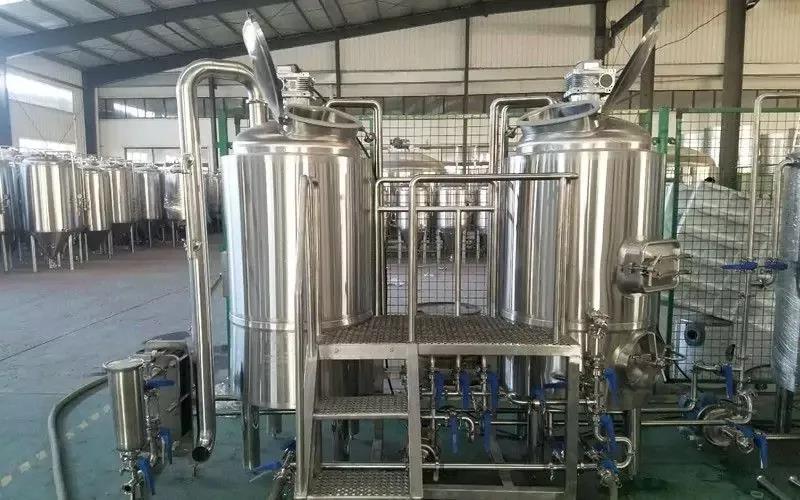
Stainless steel durability starts with the passive layer
The key to stainless steel durability is chromium. Stainless steel contains chromium, which reacts with oxygen to form a very thin oxide layer on the surface. This passive layer is invisible to the eye, but it is what gives stainless steel its strong corrosion resistance compared with ordinary carbon steel.
When the surface is scratched in a suitable environment, the passive layer can reform naturally. This is why stainless steel can remain attractive and functional even after years of service. However, the layer is not indestructible. If the pipe is exposed to conditions that overwhelm the passive film, localized corrosion can occur.
Common threats include:
- Chloride exposure: Saltwater, coastal air, some process fluids, and certain cleaners can attack stainless steel.
- Oxygen-starved areas: Crevices, deposits, and stagnant zones can prevent the passive layer from renewing properly.
- Surface contamination: Iron particles from tools, grinding, or contact with carbon steel can cause rust staining.
- Incorrect cleaning: Harsh chemicals or residues may damage the surface or leave corrosive deposits.
- Poor weld finishing: Heat tint, rough welds, or uncleaned joints can create vulnerable areas.
This is why stainless steel quality is not only about the metal itself. Fabrication, handling, and finishing all matter. A pipe that is stored, cut, welded, and cleaned correctly is more likely to maintain its corrosion resistance over time.
The role of stainless steel grade in pipe lifespan
Different grades are designed for different conditions. Selecting the right grade is one of the most important decisions affecting pipe lifespan. A grade that works well for clean water in an indoor environment may not be suitable for seawater, chemical processing, or high-chloride washdown areas.
Austenitic stainless steels
Austenitic grades are widely used because they offer good corrosion resistance, formability, and weldability. Common examples include 304 and 316 stainless steel. Grade 304 is often suitable for general-purpose environments, while 316 contains molybdenum, which improves resistance to pitting and crevice corrosion in chloride-containing conditions.
This does not mean 316 is always required, or that it is immune to corrosion. It means it may provide a better margin of protection where chloride exposure is a concern. Choosing between grades should be based on the application, the environment, cleaning practices, and expected service demands.
Duplex stainless steels
Duplex stainless steels combine high strength with improved resistance to certain forms of corrosion. They may be used where higher mechanical performance or stronger resistance to chloride stress corrosion cracking is needed. Because they require careful fabrication and welding control, they are typically selected for more demanding industrial applications rather than simple general piping.
Specialty grades
Highly aggressive environments may call for more specialized stainless steels or alternative alloys. These choices usually depend on chemical concentration, temperature, pressure, and regulatory requirements. When the service environment is severe, material selection should be based on engineering guidance rather than assumptions.
Why do stainless steel pipes fail earlier than expected?
Stainless steel pipes usually fail early because the material, environment, installation, or maintenance plan was not properly matched. Early failure is often not a sign that stainless steel is weak; it is more commonly a sign that the system exposed the pipe to conditions it was not designed to handle.
One common cause is chloride-related corrosion. Chlorides can cause small pits that penetrate the pipe wall even when the rest of the surface appears clean. Pitting is dangerous because it can be localized, difficult to see, and faster than uniform surface corrosion.
Crevice corrosion is another issue. It can occur under gaskets, deposits, clamps, insulation, or areas where fluid becomes trapped. These tight spaces may have different oxygen levels than the open surface, weakening the passive layer and allowing corrosion to start.
Installation can also reduce stainless steel pipe life expectancy. Examples include using carbon steel tools that contaminate the surface, failing to clean welds properly, over-tightening supports, creating dead legs where water stagnates, or allowing dissimilar metals to contact each other without proper isolation. Even a high-grade pipe can suffer if basic installation practices are ignored.
To reduce early failure risk, focus on these practical controls:
- Choose the right grade for the fluid and environment. Consider chlorides, temperature, pH, pressure, and cleaning chemicals.
- Protect the pipe surface during handling. Avoid carbon steel contamination and unnecessary scratching.
- Use qualified welding and finishing practices. Clean, passivate, or treat weld areas when required by the application.
- Design for drainage and flow. Avoid stagnant zones, trapped fluids, and crevices where deposits can collect.
- Inspect regularly. Look for staining, leaks, deposits, insulation damage, and signs of localized corrosion.
Environmental conditions that affect stainless steel pipe life expectancy
The environment around the pipe can be just as important as what flows inside it. Indoor, dry, clean environments are generally more forgiving. Outdoor, marine, industrial, humid, or chemically exposed environments require more careful material selection and maintenance.
Water and moisture exposure
Water quality matters. Clean, flowing water is usually less aggressive than stagnant water with high chloride content or low oxygen circulation. In plumbing, process water, or cooling systems, deposits and biofilm can create localized conditions that encourage corrosion. Regular flushing, proper design, and avoiding dead legs can help protect pipe lifespan.
Coastal and marine conditions
Coastal air carries salt, and salt increases corrosion risk. Stainless steel used near the ocean may need a higher-resistance grade, better surface finish, and more frequent cleaning. In splash zones or direct seawater exposure, standard general-purpose stainless steels may not provide enough protection.
Chemical and industrial exposure
Chemical plants, food processing areas, laboratories, and manufacturing sites often use cleaning agents, sanitizers, acids, or solvents. These materials can interact with stainless steel in different ways. The concentration, temperature, exposure time, and rinsing practices all influence the life expectancy of stainless steel pipe.
Soil and underground installation
Buried stainless steel piping may face soil chemistry, moisture, stray electrical currents, and mechanical stress. Protective wrapping, proper bedding, drainage, and isolation from incompatible materials can all be important. Underground conditions vary widely, so assumptions based on above-ground performance may be misleading.
Installation quality is a major life expectancy factor
Even the correct stainless steel grade can underperform if the installation is careless. Stainless steel piping should be treated as a corrosion-resistant system, not just a set of metal tubes. Every cut, weld, fitting, support, and connection can influence long-term performance.
Good installation supports long service life by reducing stress, contamination, and corrosion traps. Proper supports prevent sagging and vibration. Correct joint preparation reduces crevices. Clean welding practices protect the passive layer. Compatible fittings and gaskets reduce the chance of galvanic or chemical problems.
A practical installation checklist includes:
- Keep stainless steel separated from carbon steel grinding dust, filings, and storage racks.
- Use tools and abrasives dedicated to stainless steel when possible.
- Remove weld discoloration or heat tint where required for corrosion performance.
- Avoid unnecessary crevices at joints, clamps, and supports.
- Provide enough slope or drainage where stagnant fluid would be harmful.
- Confirm that insulation does not trap moisture against the pipe.
- Use compatible fasteners, hangers, valves, and fittings.
- Pressure test and inspect before the system enters service.
These details may seem small during installation, but they can add years to the effective pipe lifespan.
Maintenance practices that protect corrosion resistance
Stainless steel is often described as low maintenance, but low maintenance does not mean no maintenance. The goal is to preserve the surface condition, remove harmful deposits, and detect small issues before they become expensive failures.
Routine inspection should focus on visible changes. Rust staining may come from surface contamination rather than deep corrosion, but it should still be investigated. White deposits, dark crevices, leaks, damp insulation, and discoloration around welds or fittings can all signal a problem.
Cleaning should be appropriate for the grade and environment. Mild cleaning methods are often enough for general dirt and deposits. Chloride-containing cleaners, abrasive tools, or chemicals left on the surface can create risk. After cleaning, thorough rinsing and drying may be important, especially in environments where residue can concentrate.
For critical systems, maintenance may also include scheduled inspections, wall-thickness measurements, corrosion monitoring, water chemistry checks, and documentation of repairs. The more demanding the application, the more formal the maintenance plan should be.
How can you extend the lifespan of stainless steel pipes?
You can extend the lifespan of stainless steel pipes by selecting the right grade, designing the system to avoid corrosion traps, protecting the surface during fabrication, and maintaining conditions that support the passive layer. The best approach is preventive: it is easier to avoid corrosion than to repair damage after it begins.
Use this decision checklist before specifying or replacing stainless steel pipe:
- განსაზღვრეთ სამუშაო გარემო. Identify the fluid, temperature, pressure, pH, chlorides, cleaning chemicals, and outdoor exposure.
- Select the grade based on risk. Do not choose only by habit or initial cost; match corrosion resistance to actual conditions.
- Review the full system. Fittings, valves, welds, gaskets, supports, and insulation should be compatible with the pipe.
- Design out stagnant areas. Flow, drainage, and access for cleaning can make a major difference.
- Specify surface finish and weld treatment. Smoother, cleaner surfaces generally resist deposits more effectively.
- Plan inspection access. Pipes that cannot be inspected are harder to protect over the long term.
- Document maintenance requirements. Cleaning methods, inspection intervals, and acceptable chemicals should be clear.
This approach helps turn stainless steel quality into real-world performance. The pipe is only one part of the system, but it is a part that depends heavily on correct decisions made before operation begins.
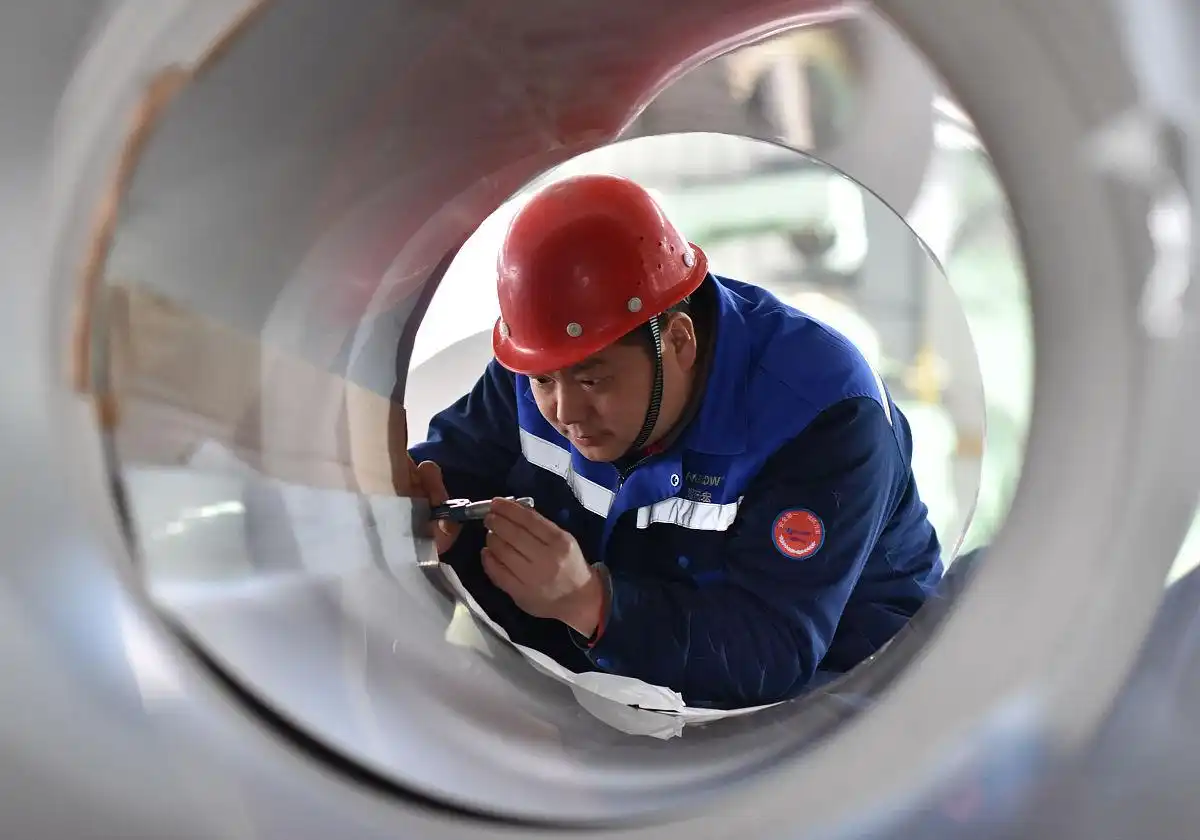
Signs that stainless steel piping needs attention
Stainless steel piping should be inspected when there are visible changes, operational issues, or changes in the surrounding environment. Some signs are minor and correctable; others may indicate a deeper risk to pipe lifespan.
Watch for:
- Rust-colored staining, especially around welds, clamps, or fittings
- Small pits, pinholes, or rough areas on the surface
- Leaks, sweating, or damp insulation
- Unusual discoloration after cleaning or chemical exposure
- Deposits that repeatedly form in the same locations
- Vibration, movement, or support damage
- Evidence of contact with incompatible metals
- Changes in water chemistry, process chemicals, or cleaning products
The practical response depends on severity. Light surface contamination may be cleaned and passivated if appropriate. Pitting, leaking, or repeated corrosion should trigger a deeper review of grade selection, operating conditions, and installation details. Replacing a damaged section without correcting the cause may only delay the next failure.
Stainless steel pipe life expectancy is a system outcome
The life expectancy of უჟანგავი ფოლადის მილი is not controlled by a single factor. It is the outcome of material grade, stainless steel quality, system design, fabrication, operating environment, and maintenance. When those elements are aligned, stainless steel can provide a long, reliable pipe lifespan with strong corrosion resistance and relatively low upkeep.
The most important lesson is to think beyond the pipe wall. A durable stainless steel piping system starts with accurate knowledge of the application and continues with careful installation and sensible inspection. If the environment is aggressive or the system is critical, choose materials and maintenance practices with extra care rather than relying on stainless steel’s reputation alone.
 English
 Afrikaans
 Arabic
 Bengali
 Catalan
 Chinese
 French
 Dutch (Belgium)
 Dutch
Dutch German
 Czech
Czech Greek
Greek Hindi
Hindi Japanese
 Italian
 Portuguese
 Spanish (Chile)
 Spanish (Colombia)
 Spanish (Argentina)
 Persian
 Estonian
 Albanian
 Russian
 Spanish (Peru)
 Indonesian
 Thai
Thai Vietnamese
 Georgian
 Korean
 Nepali
 Polish
 Ukrainian
 Malayalam
 Xhosa
Xhosa