 Wenzhou Kaixin Kaixin Metal Co.,LTD

Tecniche per una piegatura efficace dei tubi in acciaio inossidabile
Stainless steel pipe bending is a vital process in many industries. It plays a crucial role in construction, automotive, and manufacturing sectors.
The process involves shaping stainless steel tubing to meet specific design needs. This requires precision and expertise to maintain the integrity of the metal.
Various techniques are used to achieve the desired bends. Each method has its own advantages and is chosen based on project requirements.
Proper equipment and skilled operators are essential for successful metal pipe bending. They ensure that the bends are accurate and meet industry standards.
Understanding the properties of stainless steel is key. It helps in selecting the right bending method and equipment.
This guide explores effective techniques and best practices for stainless steel pipe bending.
Understanding Stainless Steel Pipe Bending
Stainless steel pipe bending requires careful planning and execution. The process involves manipulating the material without compromising its strength.
The choice of bending technique can affect the final outcome. Different methods offer unique advantages depending on the project’s needs.
A variety of factors influence the success of the bending process. These include the type of stainless steel, its thickness, and the desired bend radius.
Professionals in the field rely on specialized knowledge and equipment. This ensures that the bends are precise and maintain the metal’s integrity.
Key considerations in stainless steel pipe bending:
- Material properties
- Type of bending method
- Equipment precision
- Skilled operators
- Project-specific requirements
Understanding these factors is crucial for achieving optimal results.
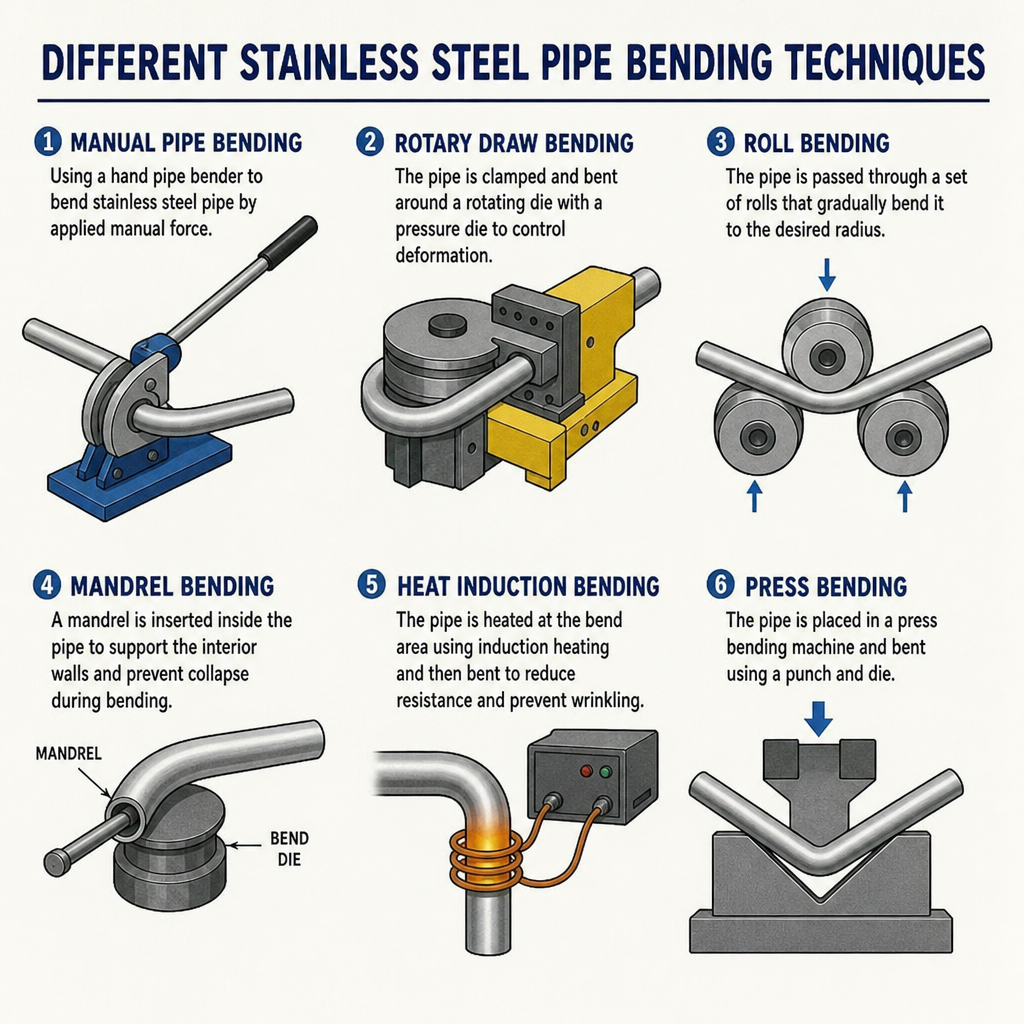
Stainless Steel Pipe Bend equipments
Key Properties of Stainless Steel Tubing
Stainless steel tubing offers exceptional strength and durability. These properties make it an ideal choice for various applications.
Corrosion resistance is a standout feature of stainless steel. This characteristic prolongs the lifespan of components in harsh environments.
Additionally, stainless steel’s non-magnetic properties suit it for specific uses where magnetism must be avoided. Understanding the essential properties of this metal is critical when selecting materials for bending projects.
Key properties of stainless steel tubing include:
- Elevata resistenza alla trazione
- Excellent corrosion resistance
- Non-magnetic in some grades
- Tolleranza alle alte temperature
- Aesthetic appeal
These traits ensure that stainless steel tubing meets diverse industrial demands.
Common Stainless Steel Pipe Bending Methods
Several methods are used for stainless steel pipe bending, each suited to different needs.
Choosing the right technique depends on factors like pipe dimensions and the desired bend.
Key stainless steel bending methods include:
- Rotary draw bending
- Mandrel bending
- Roll bending
- Press bending
- Heat induction bending
- CNC and automated bending
These methods each offer unique advantages, making them suitable for various applications and industry demands. Understanding these approaches is essential for achieving precise results in your bending projects.
Rotary Draw Bending
Rotary draw bending is a widely used technique known for its precision. It is excellent for creating tight radius bends in pipes and tubes.
This method is ideal for custom pipe bending projects where accuracy is critical. The use of dies helps maintain the shape and integrity of the bend.
Mandrel Bending
Mandrel bending involves inserting a mandrel into the pipe. This prevents the pipe from collapsing during the bending process.
The method is particularly effective for bending thin-walled tubing. It ensures the pipe retains its original round shape after bending, making it popular in the automotive and aerospace industries.
Roll Bending
Roll bending is ideal for achieving large radius bends. It uses a series of rollers to shape the pipe gradually.
This method is often used in structural applications, such as creating frames or arches. Roll bending offers smooth, consistent curves perfect for aesthetic projects.

Press and Heat Induction Bending
Press bending utilizes a machine to apply pressure, forcing the pipe into a bend. It is suitable for simple, large-radius bends.
Heat induction bending uses targeted heat to make the pipe pliable. This method allows for precise control over the bending process and is often used in large-scale industrial projects.
CNC and Automated Bending
CNC (Computer Numerical Control) and automated bending utilize technology to enhance precision and efficiency. These systems are popular in high-volume production settings.
The integration of computer systems allows for complex bends with minimal human intervention. Additionally, advanced software aids in designing and executing the bends with high precision.
Key benefits of CNC and automated bending include:
- Enhanced accuracy
- Reduced labor costs
- Consistency in production
- Efficient design replication
- High-speed operations

Automated bending systems are becoming more prevalent due to their efficiency and reliability, driving advancements in metal fabrication.
Choosing the Right Pipe Bending Equipment
Selecting the correct pipe bending equipment is crucial for achieving optimal results. The right tools enhance precision and reduce material waste.
Consider these key factors when choosing equipment:
- Pipe material and dimensions
- Desired bend radius and angle
- Production volume
Specialized machines, such as CNC benders and mandrel benders, offer greater precision. However, understanding the capabilities and limitations of each type helps in selecting the most appropriate one for your needs.

Maintenance and calibration of the equipment further ensure accuracy in bending operations, supporting consistent and high-quality outcomes. Proper equipment choice and care are essential for successful stainless steel pipe bending projects.
Factors Affecting Stainless Steel Bending Success
Several elements influence the success of stainless steel bending. Understanding these factors can help achieve desired results effectively.
Tra gli aspetti chiave da considerare figurano:
- Material grade and thickness
- Bend radius and angle
- Tooling and die selection
The choice of bending method also impacts outcomes. Different techniques suit various applications, depending on precision and complexity.
Environmental conditions, like temperature, can alter the bending process. It’s crucial to account for these variations to prevent deformation or defects.
Finally, skilled operators with in-depth knowledge of stainless steel properties enhance the bending success. Proper training and experience are invaluable in managing the intricacies of the process.
Best Practices for Precise and Safe Bending
Achieving precise and safe bends in stainless steel tubing requires adherence to key best practices. Preparing the work area is a fundamental step to ensure efficiency and safety.
Correctly calibrating pipe bending equipment is crucial for accuracy. Regular maintenance prevents tool wear, which can affect precision.
Use appropriate protective gear to safeguard against accidents and injuries. Ensure all operators are fully trained and aware of safety protocols.
Additionally, consider the following practices:
- Preheat stainless steel to reduce cracking risk
- Use proper lubrication to minimize friction
- Regularly inspect the material for defects
Ensuring these practices are followed will enhance both the quality of bends and the safety of operations. A focus on precision and care will yield superior results and improved efficiency.
Overcoming Common Challenges in Stainless Steel Bending
Stainless steel bending presents unique challenges, such as springback. This occurs when the material tries to return to its original shape post-bending.
Another issue is deformation. Without the right pipe bending equipment and techniques, stainless steel might buckle or wrinkle.
Consider these strategies for overcoming challenges:
- Adjust bend angles to counteract springback
- Use mandrels for support in preventing collapse
- Choose the correct die and tooling to reduce deformation
Understanding these challenges can help you minimize errors. Implementing solutions tailored to specific problems enhances the bending process, ensuring stronger and more accurate results.
Custom Pipe Bending and Steel Bending Services
Custom pipe bending is crucial for projects with unique specifications. These tailored services adapt to special needs, ensuring precision.
Steel bending services offer flexibility across diverse industries. They cater to requirements in construction, automotive, and industrial applications.
Key benefits of custom services include:
- Adapting to specific design requirements
- Ensuring high precision and quality
- Offering a variety of bend types and sizes
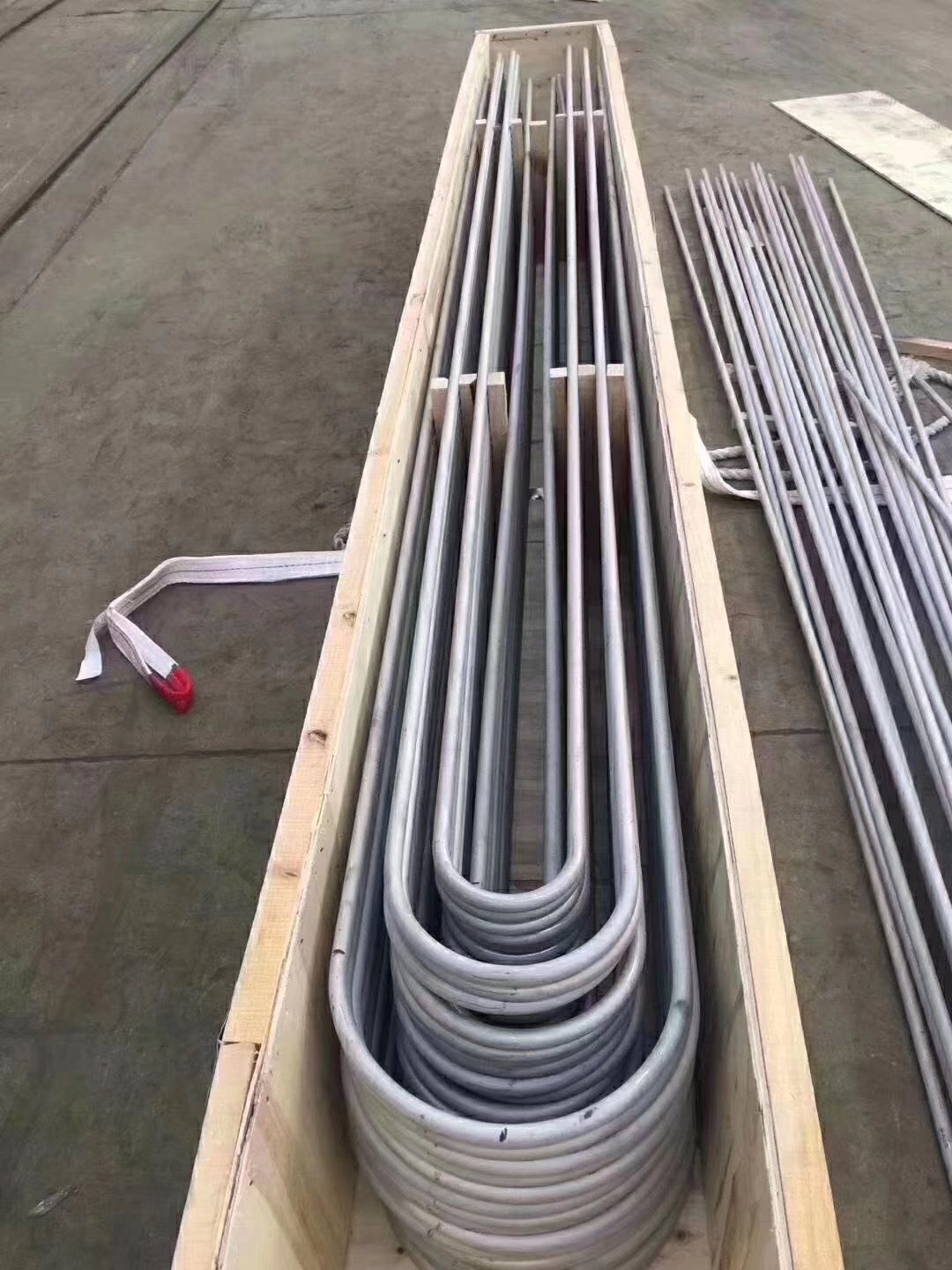
u bended stainless steel pipe
By choosing professional steel bending services, you gain access to experienced technicians. This expertise enhances project outcomes and ensures conformity with high standards.
Innovations and Future Trends in Pipe Bending
The pipe bending industry is evolving with innovative technologies. New trends improve efficiency and precision, benefiting various sectors.
Key advancements include:
- Integration of IoT for real-time monitoring
- Use of 3D printing in creating custom dies
- Application of augmented reality for operator assistance
These trends promise increased accuracy and reduced lead times. As technology advances, pipe bending processes will become more streamlined and responsive to complex demands. Future innovations will continue to shape the industry, enhancing capabilities and expanding possibilities for more intricate designs.
Conclusion: Achieving Excellence in Stainless Steel Pipe Bending
Achieving excellence in stainless steel pipe bending requires understanding techniques and materials. Mastery comes from knowing when to apply each method.
Precision and safety should guide each step. Skilled operators and the right equipment ensure optimal outcomes. Consistent quality measures are essential.
Continual learning and adaptation are key. As technologies evolve, embracing innovations will drive success in projects. This approach ensures that stainless steel pipe bending remains a crucial component across industries.
 English
 Afrikaans
 Arabic
 Bengali
 Catalan
 Chinese
 French
 Dutch (Belgium)
 Dutch
Dutch German
 Czech
Czech Greek
Greek Hindi
Hindi Japanese
 Italian
 Portuguese
 Spanish (Chile)
 Spanish (Colombia)
 Spanish (Argentina)
 Persian
 Estonian
 Albanian
 Russian
 Spanish (Peru)
 Indonesian
 Thai
Thai Vietnamese
 Georgian
 Korean
 Nepali
 Polish
 Ukrainian
 Malayalam
 Xhosa
Xhosa