 वेन्झोउ काइक्सिन काइक्सिन मेटल कंपनी लिमिटेड
Understanding Hastelloy C-276 Properties and Applications
Hastelloy C-276 is a nickel-molybdenum-chromium alloy selected for demanding environments where standard stainless steels may corrode, pit, or crack too quickly. This page helps engineers, buyers, maintenance teams, and fabricators understand the alloy’s core properties, typical applications, and sourcing considerations before requesting a quote for coil, sheet, plate, pipe, tube, bar, or custom-cut material.
Is Hastelloy C-276 the right alloy for your application?
Hastelloy C-276 is a strong candidate when your process involves aggressive chemicals, mixed acids, chloride exposure, oxidizing media, or reducing conditions. The main reason buyers specify hastelloy c 276 is its broad corrosion resistance across environments that can be difficult for common stainless grades. If your current material is failing through pitting, crevice corrosion, stress corrosion cracking, or rapid chemical attack, c 276 hastelloy may offer a longer-service alternative, provided the final choice is confirmed against your temperature, concentration, pressure, and fabrication requirements.
This alloy is often searched as a “hastelloy c 276 stainless steel coil,” but that phrase can be misleading. C-276 is not stainless steel; it is a nickel-based corrosion-resistant alloy. The comparison is still useful because many projects start with stainless steel and move to Hastelloy C-276 alloy when the operating environment becomes too severe.
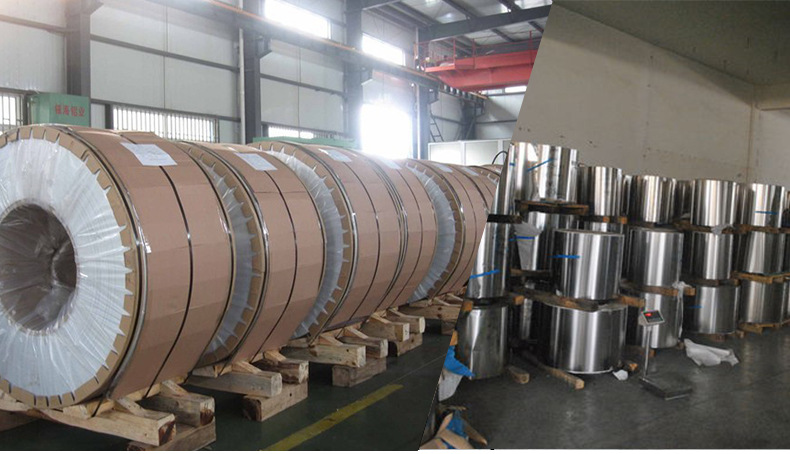
Hastelloy C-276 coil and sheet material for industrial fabrication
Key properties that make C-276 valuable
The value of Hastelloy C-276 comes from a practical combination of corrosion resistance, fabricability, and performance in harsh service conditions. It is widely specified where the cost of premature failure, shutdown, replacement, leakage, or contamination is higher than the cost of choosing a more capable alloy at the start.
Core product advantages include:
- Broad chemical resistance: Hastelloy c 276 chemical compatibility is valued across many acidic, chloride-bearing, and mixed chemical environments.
- Resistance to localized corrosion: The alloy is known for resisting pitting and crevice corrosion, two common failure modes in chloride service.
- Performance in oxidizing and reducing conditions: Its chemistry supports use in process streams where chemical conditions may not remain constant.
- Good fabrication potential: C-276 can be formed, welded, and fabricated using appropriate nickel-alloy procedures.
- Long-term equipment protection: When specified correctly, the alloy helps protect critical vessels, piping, heat exchangers, and process components from corrosion-related downtime.
For purchasing teams, the main benefit is confidence. Instead of repeatedly replacing less-resistant parts, you can specify a material designed for aggressive service and build around a more dependable corrosion-resistance profile.
Hastelloy C-276 composition and chemical profile
The hastelloy c 276 composition is the foundation of its performance. The alloy is primarily nickel, with significant molybdenum and chromium additions, plus controlled amounts of iron, tungsten, cobalt, manganese, vanadium, silicon, carbon, phosphorus, and sulfur depending on the applicable specification. This combination helps the alloy resist a wide range of chemical attack while maintaining useful mechanical and fabrication properties.
When reviewing hastelloy c 276 chemical composition for a project, do not rely on a generic description alone. Always match the material to the governing standard, mill certificate, product form, and end-use requirement. For regulated or critical service, request documentation that confirms heat number, chemistry, mechanical properties, and any required testing.
Typical composition considerations include:
- Nickel base: Provides the core structure and supports resistance in severe environments.
- Molybdenum content: Helps improve resistance to pitting, crevice corrosion, and reducing media.
- Chromium content: Supports resistance to oxidizing conditions.
- Tungsten addition: Contributes to the alloy’s overall corrosion-resistance behavior.
- Low carbon control: Helps reduce concerns related to carbide precipitation during welding and fabrication.
This chemistry is why hastelloy c 276 alloy is often chosen for service where simpler stainless or lower-alloy materials are not enough.
Product forms for fabrication and maintenance
Hastelloy C-276 can be sourced in several product forms to suit new fabrication, replacement work, equipment repair, and inventory planning. The best form depends on how the material will be processed and where it will be installed.
Commonly requested forms include:
- Coil: Suitable for slit strip, formed components, gaskets, liners, and continuous production needs.
- Sheet: Useful for panels, formed parts, covers, and corrosion-resistant surfaces.
- Plate: Selected for pressure equipment, vessels, tanks, heavy fabrications, and structural process components.
- Pipe and tube: Used in transfer lines, process piping, heat exchangers, and chemical handling systems.
- Round bar and flat bar: Chosen for machined parts, fasteners, supports, fittings, shafts, and custom components.
- Cut-to-size blanks: Helpful when reducing shop waste, simplifying handling, or speeding fabrication.
If you are looking specifically for hastelloy c 276 stainless steel coil because of a legacy part description, confirm the actual alloy before ordering. A part labeled casually as “stainless” in a maintenance system may require true C-276 chemistry to perform correctly in service.
Applications across demanding industries
Hastelloy C-276 is used where corrosion resistance is not optional. Its role is usually tied to protecting uptime, product purity, worker safety, or equipment life in operations that handle aggressive process media.
Typical applications include:
- Chemical processing equipment: Reactors, vessels, transfer piping, valves, pumps, scrubbers, and ducting.
- Pollution control systems: Flue gas desulfurization components, scrubber internals, and acid gas handling equipment.
- Pulp and paper processing: Components exposed to bleaching chemicals and corrosive process streams.
- Waste treatment and environmental systems: Liners, piping, and equipment in mixed chemical or chloride-bearing environments.
- Pharmaceutical and specialty chemical production: Parts where corrosion control and clean processing are important.
- Marine and offshore service: Components exposed to saltwater, chlorides, and harsh atmospheric conditions.
- Heat exchanger and condenser components: Tubing, sheets, and fabricated assemblies requiring resistance to corrosive fluids.
A common upgrade scenario is simple: a plant begins with a stainless component because it is familiar and readily available. After repeated corrosion failures, maintenance moves to c 276 hastelloy for the specific zone exposed to the most aggressive chemical conditions. That targeted upgrade can protect the vulnerable part without redesigning the entire system.
Chemical compatibility and material selection
Hastelloy c 276 chemical compatibility depends on more than the chemical name. Concentration, temperature, aeration, impurities, velocity, solids, crevices, weld condition, cleaning procedures, and shutdown cycles can all affect performance. Two systems using the same acid may need different material choices if one operates hotter, contains chlorides, or has stagnant zones.
Before specifying C-276, gather these details:
- Chemical media: List all process chemicals, cleaning agents, contaminants, and possible upset conditions.
- Concentration range: Include normal operation and maximum exposure levels.
- Operating temperature: Note continuous temperatures, spikes, and heat-cleaning cycles.
- Pressure and flow: Include velocity, turbulence, and any abrasive solids.
- Fabrication method: Identify welding, forming, machining, bending, or heat treatment requirements.
- Service objective: Clarify whether the priority is longer life, contamination control, safety, reduced downtime, or all of these.
- Compliance needs: Confirm applicable ASTM, ASME, project, or customer specifications.
This information helps avoid under-specifying or over-specifying material. It also allows suppliers and engineers to recommend the right product form, thickness, finish, and documentation package.
Fabrication guidance for reliable performance
C-276 is valued not only because of its corrosion resistance, but also because it can be fabricated into practical industrial components. However, it should be handled as a nickel alloy, not like ordinary carbon steel or basic stainless. Correct procedures help preserve corrosion resistance and dimensional accuracy.
Fabrication planning should consider:
- Welding procedure: Use suitable filler metals and qualified procedures for the service condition.
- Surface cleanliness: Avoid contamination from carbon steel tools, grinding dust, or shop debris.
- Forming requirements: Confirm bend radius, thickness, and work-hardening behavior before production.
- Machining setup: Use appropriate speeds, feeds, tooling, and coolant practices for nickel alloys.
- Post-fabrication inspection: Check weld quality, dimensions, surface condition, and documentation before installation.
For critical service, the material purchase and fabrication plan should be connected from the beginning. Buying the correct alloy is only part of the job; protecting the material through cutting, forming, welding, and installation is what helps it deliver the expected service life.
Pricing and quote considerations
Hastelloy C-276 is typically quoted based on current material availability, product form, size, quantity, tolerance, processing, testing, and delivery requirements. Because nickel-based alloys can vary in cost with market conditions and mill availability, fixed generic pricing is rarely useful for serious purchasing decisions.
To request an accurate quote, prepare the following:
- Required form, such as coil, sheet, plate, pipe, tube, or bar
- Grade or specification calling out hastelloy c 276 chemical composition requirements
- Dimensions, thickness, diameter, wall size, length, or coil width
- Quantity, including whether it is a one-time order or repeat requirement
- Finish, edge condition, temper, or processing needs
- Cut-to-size, slitting, machining, or fabrication requirements
- Documentation needs, including material test reports or compliance certificates
- Delivery locati0n and target timeline
A complete inquiry reduces back-and-forth and helps ensure the quote reflects the material you actually need, not just a rough substitute.
Specify C-276 with confidence
Hastelloy C-276 is a practical choice when corrosion resistance, chemical compatibility, and equipment reliability matter more than the lowest initial material cost. Its nickel-based chemistry, resistance to aggressive media, and availability in useful product forms make it suitable for chemical processing, environmental systems, marine exposure, heat transfer equipment, and severe industrial service.
If you are comparing stainless steel, specialty alloys, and Hastelloy C-276 alloy for a current project, start with the service conditions and work backward to the correct form and specification. Request a quote with your dimensions, operating environment, and documentation needs so the material can be matched to the job from the start.
 English
 Afrikaans
 Arabic
 Bengali
 Catalan
 Chinese
 French
 Dutch (Belgium)
 Dutch
Dutch German
 Czech
Czech Greek
Greek Hindi
Hindi Japanese
 Italian
 Portuguese
 Spanish (Chile)
 Spanish (Colombia)
 Spanish (Argentina)
 Persian
 Estonian
 Albanian
 Russian
 Spanish (Peru)
 Indonesian
 Thai
Thai Vietnamese
 Georgian
 Bhojpuri
 Moroccan Arabic
 Korean
 Nepali
 Polish
 Ukrainian
 Malayalam
 Xhosa
Xhosa