 شركة ونزو كايشين كايشين كايشين للمعادن المحدودة

عند شراء مكونات الأنابيب لمشروع صناعي، تُعد الفلنجات المصنوعة من الفولاذ المقاوم للصدأ من أهم أجزاء النظام. وسواء كانت شركتك تعمل على إنشاء خط معالجة كيميائية، أو منشأة للأغذية والمشروبات، أو شبكة أنابيب بحرية، فإن الفلنجات التي تختارها تحدد مدى قدرة نظامك على تحمل الضغط والحرارة والتآكل طوال عمره التشغيلي.
إذا كان فريقك قد واجه من قبل مشكلة تسرب في الوصلة، أو نمط براغي غير متوافق، أو شفة تعرضت للتآكل بوتيرة أسرع من المتوقع، فأنت تعلم بالفعل مدى تكلفة الاختيار الخاطئ. يقدم هذا الدليل شرحًا تفصيليًّا لكل ما تحتاج إلى معرفته عن الفلنجات المصنوعة من الفولاذ المقاوم للصدأ — بدءًا من الأنواع المختلفة المتاحة وصولاً إلى كيفية اختيار فلنجات الأنابيب المصنوعة من الفولاذ المقاوم للصدأ المناسبة لتطبيقك المحدد. وبنهاية هذا الدليل، ستكون لديك إطار عمل واضح لتقييم الموردين وتحديد مواصفات الفلنجات بثقة.
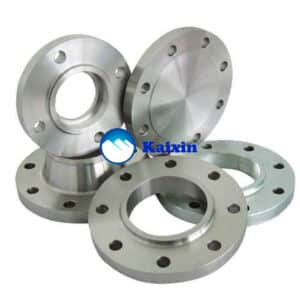
ما هي الفلنجات المصنوعة من الفولاذ المقاوم للصدأ؟
الفلنجات المصنوعة من الفولاذ المقاوم للصدأ هي وصلات على شكل قرص أو حلقة تُستخدم لربط الأنابيب والصمامات والمضخات وغيرها من المعدات داخل نظام الأنابيب. وبدلاً من لحام طرفي الأنبوب معًا مباشرةً، يتم تثبيت شفتين (أو شفة ووصلة) معًا باستخدام براغي مع وضع حشية بينهما لتكوين مانع تسرب آمن ومقاوم للتسرب. يمنح هذا التصميم شركتك المرونة اللازمة لتفكيك أجزاء من الأنابيب لأغراض الصيانة أو الفحص أو الاستبدال دون الحاجة إلى قطع خط الأنابيب.
نظرًا لأن الفولاذ المقاوم للصدأ يقاوم التآكل والأكسدة ودرجات الحرارة القصوى بشكل أفضل بكثير من الفولاذ الكربوني، فإن فلنجات الأنابيب المصنوعة من الفولاذ المقاوم للصدأ تُعد الخيار المفضل للصناعات التي تشكل فيها النظافة الصحية أو التعرض للمواد الكيميائية أو العوامل الجوية الخارجية مصدر قلق. كما أن الأنابيب الخام المستخدمة مع هذه الفلنجات لا تقل أهمية — إذا كنت ترغب في فهم كيفية تصنيع الأنابيب الأساسية، فقم بإلقاء نظرة على تحليلنا لـ إنتاج الأنابيب الفولاذية المقاومة للصدأ غير الملحومة مقابل الملحومة.
الأنواع الشائعة من الفلنجات المصنوعة من الفولاذ المقاوم للصدأ
لا يتطلب كل مشروع نفس تصميم الحافة. وعادةً ما تختار شركتك بين وصلات الأنابيب ذات الحواف المصنوعة من الفولاذ المقاوم للصدأ التالية، بناءً على درجة الضغط المسموح بها وطريقة التركيب ومدى تكرار الحاجة إلى فتح الوصلة:
| نوع الحافة | الميزة الرئيسية | الأفضل لـ |
|---|---|---|
| فلنجة ذات عنق ملحوم | محور طويل مدبب، لحام اختراق كامل | أنابيب الضغط العالي والحرارة العالية |
| حافة انزلاقية | تنزلق على الأنبوب، ملحومة بوصلة | أنابيب منخفضة الضغط، سهلة التركيب |
| فلنجة مغلقة | قرص صلب، بدون فتحة | إحكام إغلاق أطراف الأنابيب، واختبار الضغط |
| فلنجة ملحومة بالمقبس | أنبوب مُدخل في الوصلة، لحام زاوية واحد | أنابيب ذات قطر صغير وعالية الضغط |
| شفة ملولبة | وصلة ملولبة، بدون لحام | البيئات التي لا يمكن اللحام فيها أو البيئات الخطرة |
| شفة ذات وصلة متداخلة | تُستخدم مع طرف قصير، وتدور بحرية | التفكيك المتكرر، والمرونة في ضبط المحاذاة |
| شفة مرافقة | يُثبت بمسامير على شفة ثابتة، ويربط الخراطيم/الصمامات | وصلات المضخات والصمامات والخراطيم |
ومن بين هذه المكونات، تستحق شفة التوصيل المصنوعة من الفولاذ المقاوم للصدأ إشارة خاصة — فهي الشفة التي يقوم نشاطك التجاري بتثبيتها بمسامير على شفة أنبوب ثابتة لتوصيل الخراطيم المرنة أو المضخات أو الصمامات، مما يجعلها عنصرًا أساسيًّا في الأنظمة التي تتطلب إمكانية التوصيل والفصل السريعين.
لماذا تحتاج شركتك إلى فلنجات أنابيب من الفولاذ المقاوم للصدأ عالية الجودة
يُعد الاستثمار في فلنجات الأنابيب المصنوعة من الفولاذ المقاوم للصدأ ذات الجودة العالية وسيلة لحماية أعمالك بعدة طرق عملية:
- مقاومة التآكل: تتميز الفلنجات المصنوعة من الفولاذ المقاوم للصدأ بمقاومتها للرطوبة والمواد الكيميائية والتعرض للعوامل الخارجية لفترة أطول بكثير مقارنةً بالبدائل المصنوعة من الفولاذ الكربوني، مما يقلل من وتيرة استبدالها.
- الأداء الصحي: تجعل الأسطح الملساء غير المسامية الفلنجات والوصلات المصنوعة من الفولاذ المقاوم للصدأ خيارًا مثاليًّا لخطوط إنتاج الأغذية والمشروبات والأدوية، حيث لا يُسمح بحدوث أي تلوث.
- القوة الهيكلية: تتيح قوة الشد العالية لنظامك تحمل ظروف الضغط والحرارة القاسية دون أن يتعرض للتشوه.
- تكاليف أقل على المدى الطويل: إن انخفاض عدد عمليات الاستبدال وتقليل فترات التعطل غير المخطط لها يعني تحقيق عائد أفضل على استثمارك في الأنابيب على المدى الطويل.
- الامتثال للوائح التنظيمية: تتطلب العديد من الصناعات مواد تتوافق مع معايير ASME أو ANSI أو DIN — وتتمتع فلنجات الفولاذ المقاوم للصدأ بشهادات اعتماد واسعة النطاق وفقًا لهذه المواصفات.
كيفية اختيار الفلنجات والوصلات المصنوعة من الفولاذ المقاوم للصدأ المناسبة لاستخدامك
يعتمد اختيار الوصلات ذات الحواف المصنوعة من الفولاذ المقاوم للصدأ المناسبة على عدد من القرارات الأساسية:
1. درجة جودة المادة. يُعد الفولاذ المقاوم للصدأ 304 خيارًا مناسبًا للبيئات الصناعية العامة والبيئات ذات التآكل المعتدل، بينما يوفر الفولاذ المقاوم للصدأ 316 مقاومة فائقة في البيئات الغنية بالكلوريد أو شديدة التآكل. إذا كنت غير متأكد مما إذا كان الفولاذ المقاوم للصدأ 304 مناسبًا لبيئتك، فاطلع على دليلنا التفصيلي حول هل ستصدأ الأنابيب المصنوعة من الفولاذ المقاوم للصدأ 304؟ قبل إتمام اختيار درجاتك.
2. فئة الضغط. تأكد من مطابقة تصنيف ضغط الشفة (الفئة 150، 300، 600، إلخ) مع ضغط التشغيل لنظامك — فاختيار شفة ذات تصنيف ضغط أقل من المطلوب يشكل خطرًا جسيمًا على السلامة.
3. المواصفات والأبعاد. تأكد مما إذا كان مشروعك يتطلب معايير الأبعاد ANSI/ASME B16.5 أو DIN أو JIS، حيث تختلف أنماط تثبيت البراغي وسماكتها باختلاف هذه المعايير.
4. شكل الوجه. تُستخدم الفلنجات ذات الوجه البارز (RF) على نطاق واسع في الاستخدامات الصناعية العامة، في حين تُحدد الفلنجات ذات الوجه المسطح (FF) غالبًا للمعدات المصنوعة من الحديد الزهر أو أنظمة الضغط المنخفض.
كما أن شراء الأنابيب المصنوعة من الفولاذ المقاوم للصدأ المزودة بفلنجات ووصلات مطابقة من مورد واحد يقلل من مخاطر حدوث مشكلات في التوافق بين المكونات، ولهذا السبب تفضل العديد من فرق المشتريات توحيد المعايير مع مصنع واحد على مدار المشروع.
الصناعات التي تعتمد على الفلنجات والتجهيزات المصنوعة من الفولاذ المقاوم للصدأ
إن شركتك في أيدٍ أمينة إذا كنت تستخدم فلنجات من الفولاذ المقاوم للصدأ — فهي مكون قياسي في المجالات التالية:
- المعالجة الكيميائية والبتروكيماوية
- إنتاج الأغذية والمشروبات
- التصنيع في مجالي الأدوية والتكنولوجيا الحيوية
- الهندسة البحرية والبحرية
- معالجة المياه ومياه الصرف الصحي
- أنابيب نقل النفط والغاز
- أنظمة التدفئة والتهوية وتكييف الهواء (HVAC) وأنظمة التهوية الصناعية
توريد فلنجات الفولاذ المقاوم للصدأ من مصنع موثوق به
عند تقييم الموردين، لا تقتصر على النظر إلى السعر فقط. تأكد من أن الشركة المصنعة قادرة على تقديم شهادات اختبار المصنع، وأنها حاصلة على شهادات ISO أو PED ذات الصلة، وأنها توفر أحجامًا مخصصة عندما لا تتوافق الخيارات الجاهزة مع مواصفاتك. كما أن مدة التسليم ومرونة الحد الأدنى للطلبات من العوامل المهمة أيضًا إذا كان الجدول الزمني لمشروعك ضيقًا.
تصفح منتجات KXINOX منتجات الفلنجات المصنوعة من الفولاذ المقاوم للصدأ, ، بما في ذلك خيارات الفلنجات ذات العنق الملحوم، والفلنجات القابلة للانزلاق، والفلنجات العمياء، والفلنجات ذات العنق الملحوم.
الأسئلة الشائعة
1. ما الفرق بين شفة العنق الملحومة والشفة القابلة للانزلاق؟
تتميز شفة العنق الملحومة بمحور مدبب يتم لحامه بالأنبوب بلحام اختراق كامل، مما يجعلها أكثر متانة وأكثر ملاءمة للاستخدام في ظروف الضغط العالي أو درجات الحرارة المرتفعة. أما الشفة القابلة للانزلاق فتنزلق على طرف الأنبوب وتُلحَم بلحام زاوي على كلا الجانبين، مما يجعل تركيبها أسرع، لكنها مصنفة عمومًا للاستخدام في ضغوط أقل.
2. ما هي درجة الفولاذ المقاوم للصدأ الأفضل للفلنجات — 304 أم 316؟
يُعد الفولاذ 304 مناسبًا للاستخدام في البيئات الصناعية العامة والبيئات ذات التآكل المعتدل. أما الفولاذ 316 فيحتوي على الموليبدينوم، مما يمنحه مقاومة أقوى للكلوريدات، ويُفضل استخدامه في التطبيقات البحرية أو الكيميائية أو الساحلية.
3. ما الغرض من استخدام الحافة المرافقة؟
يتم تثبيت شفة التوصيل بواسطة براغي على شفة أنبوب ثابتة لتكوين نقطة توصيل للخراطيم أو المضخات أو الصمامات، مما يتيح التوصيل والفصل السريعين دون التأثير على بقية نظام الأنابيب.
4. كيف تُقاس أبعاد الحافة؟
يُحدد حجم الشفة عادةً حسب الحجم الاسمي للأنبوب (NPS أو DN) الذي تتناسب معه، إلى جانب فئة الضغط، وهما معًا يحددان القطر الخارجي ودائرة البراغي وعدد فتحات البراغي.
5. ما المقصود بـ“فئة” الضغط في الحافة؟
تشير فئة الضغط (مثل الفئة 150 أو 300 أو 600) إلى أقصى ضغط يمكن أن تتحمله الشفة بأمان عند درجة حرارة معينة، وفقًا لمعايير ASME B16.5.
6. هل يمكن لحام الفلنجات المصنوعة من الفولاذ المقاوم للصدأ بأنابيب الفولاذ الكربوني؟
من الناحية الفنية، هذا الأمر ممكن باستخدام مواد حشو متوافقة، لكن يُنصح عمومًا بعدم القيام به لأن المعادن غير المتشابهة قد تتسبب في حدوث تآكل كهربائي عند الوصلة بمرور الوقت.
7. ما الفرق بين معايير الشفاه ANSI وDIN؟
تُستخدم معايير ANSI/ASME بشكل شائع في أمريكا الشمالية وتستند إلى الأبعاد المقاسة بالبوصة، في حين تُستخدم معايير DIN في جميع أنحاء أوروبا وتستند إلى الأبعاد المترية. وتختلف أنماط البراغي وسماكات الحواف بين المعيارين، لذا فهي غير قابلة للتبادل.
8. كيف يمكن منع حدوث تآكل في مسامير الفلنجات المصنوعة من الفولاذ المقاوم للصدأ؟
يُعد استخدام مركب مانع للتصاق قبل التجميع وتجنب الإفراط في ربط البراغي من أكثر الطرق فعالية لمنع حدوث الاحتكاك الشديد، الذي يحدث عندما تتشابك خيوط الفولاذ المقاوم للصدأ وتتآكل بسبب الاحتكاك.
9. هل تحتاج الفلنجات المصنوعة من الفولاذ المقاوم للصدأ إلى حشيات؟
نعم، تُوضع الحشوات بين وجهي شفة متلاصقتين لتشكيل مانع تسرب محكم، حيث إن الأسطح المعدنية وحدها لا تكون عادةً مسطحة تمامًا بما يكفي لمنع التسرب تحت الضغط.
10. ما الفرق بين الفلنجات ذات الوجه البارز والفلنجات ذات الوجه المسطح؟
تتميز الحافة ذات الوجه المرتفع بوجود منطقة صغيرة مرتفعة حول التجويف تعمل على تركيز ضغط الحشية لتحقيق إحكام إغلاق أفضل، في حين تتميز الحافة ذات الوجه المسطح بسطح مسطح تمامًا، وغالبًا ما تُستخدم عند التوصيل بمعدات من الحديد الزهر ذات الوجه المسطح.
الخاتمة
لا يُعد اختيار الفلنجات المناسبة المصنوعة من الفولاذ المقاوم للصدأ مجرد تفصيل تقني — بل إنه يؤثر بشكل مباشر على سلامة نظامك ووقت تشغيله وتكاليف التشغيل على المدى الطويل. من خلال فهم أنواع الفلنجات المختلفة، ومطابقة درجة جودة المواد المناسبة لبيئتك، والتعاون مع مورد قادر على دعم منتجاته بشهادات اعتماد صحيحة، يمكن لشركتك تجنب الأخطاء المكلفة الناتجة عن المكونات غير المتوافقة أو ذات الجودة المنخفضة.
 English
 Afrikaans
 Arabic
 Bengali
 Catalan
 Chinese
 French
 Dutch (Belgium)
 Dutch
Dutch German
 Czech
Czech Greek
Greek Hindi
Hindi Japanese
 Italian
 Portuguese
 Spanish (Chile)
 Spanish (Colombia)
 Spanish (Argentina)
 Persian
 Estonian
 Albanian
 Russian
 Spanish (Peru)
 Indonesian
 Thai
Thai Vietnamese
 Georgian
 Korean
 Nepali
 Polish
 Ukrainian
 Malayalam
 Xhosa
Xhosa