 شركة ونزو كايشين كايشين كايشين للمعادن المحدودة

لماذا يُعد اختيار الفولاذ 304L مقابل 316L أمرًا مهمًا لدائرة التبريد الخاصة بك
إذا كنت تختار أنابيب من الفولاذ المقاوم للصدأ لنظام التبريد السائل في مركز البيانات، فإن العامل الوحيد الذي يؤثر بشكل أكبر على الموثوقية على المدى الطويل هو الدرجة: 304L أو 316L. وكلاهما من أنواع الفولاذ المقاوم للصدأ الأوستنيتي منخفض الكربون، الذي يتميز بمقاومته للتآكل، وسهولة لحامه، وتلبية متطلبات النظافة والضغط الخاصة بدائرة التبريد. لكنهما غير قابلين للتبادل، والخطأ في الاختيار يؤدي إما إلى إهدار الميزانية على درجة جودة لا تحتاجها، أو إلى تقويض هامش مقاومة التآكل بشكل خفي في الجزء من الدائرة الذي لا يمكنه تحمل ذلك على الإطلاق.
يوضح لك هذا الدليل بالتفصيل المكان المحدد الذي يناسب كل فئة في نظام تبريد مركز البيانات، وكيف تؤثر التركيبة الكيميائية لسائل التبريد (مزيج الجليكول والماء منزوع الأيونات) على الحسابات، والمسألة المتعلقة بالأنابيب الملحومة مقابل الأنابيب غير الملحومة، والتكلفة الإجمالية للملكية الكامنة وراء المواصفات. وقد كُتب هذا الدليل مخصصًا للأشخاص الذين يقومون فعليًّا بتقديم الطلبات: مسؤولو المشتريات، والمهندسون الميكانيكيون، ومتخصصو مواصفات المرافق.
304L مقابل 316L: نظرة عامة على الدرجتين
ينتمي كلا النوعين إلى نفس فئة الفولاذ الأوستنيتي المصنوع من الكروم والنيكل. ويكمن الاختلاف في عنصر واحد مضاف وفي التركيب الكيميائي “L” (منخفض الكربون):
- 304L – يحتوي على ما يقارب 18% من الكروم، و8% من النيكل، ونسبة منخفضة جدًّا من الكربون. وهو النوع الأكثر استخدامًا: يتميز بمقاومة قوية للتآكل العام، وقوة هيكلية كاملة، وسعر أقل نظرًا لعدم احتوائه على الموليبدينوم المكلف.
- 316L – يضيف 2–3% الموليبدينوم بالإضافة إلى القليل من النيكل، ويحافظ على انخفاض نسبة الكربون. والموليبدينوم هو المكون السري: فهو يحسّن بشكل كبير أنبوب من الفولاذ المقاوم للصدأ 316L مقاومة التآكل النقطي والتآكل الشقي، لا سيما في الأماكن التي توجد فيها كلوريدات أو تُستخدم فيها طرق معالجة مياه شديدة التآكل.
يكتسب التصنيف “L” الخاص بالمنخفض الكربون أهميته القصوى عندما يتم لحام الأنبوب بدلاً من ربطه ميكانيكيًا: فهو يمنع حدوث التحسس (ترسيب الكربيد في المنطقة المتأثرة بالحرارة عند اللحام) الذي من شأنه أن يجعل الوصلة عرضة للتآكل.
| الممتلكات | أنابيب من الفولاذ المقاوم للصدأ 304L | أنابيب من الفولاذ المقاوم للصدأ 316L |
|---|---|---|
| إضافة السبائك الرئيسية | 18% كروم، 8% نيكل | 18% كروم، 10% نيكل، 2–3% موليبدن |
| مقاومة الكلوريد | مناسب للاستخدام في حلقات مائية خاضعة للرقابة ومنخفضة الكلوريد | ممتاز؛ مصمم ليتحمل الكلوريد ومقاومة التآكل النقطي |
| خدمة توفير المياه منزوعة الأيونات | مقبول من حيث المرافق/الجانب العملي | يُفضل استخدامه في الحلقة الثانوية النظيفة |
| هامش تآكل اللحام | حرف “L” الذي يشير إلى انخفاض انبعاثات الكربون يحمي منطقة الخطر (HAZ) | حرف “L” الذي يشير إلى انخفاض انبعاثات الكربون يحمي منطقة الخطر (HAZ) |
| التكلفة النسبية | أقل (بدون موليبدينوم) | أعلى (موليبدينوم + سبيكة أكثر غنىً) |
| الأفضل استخدامًا في دائرة التبريد | التوزيع، والتجارب الهيكلية، والتجارب الخاضعة للرقابة | الجانب النظيف، المشعبات الملحومة، المواد الكيميائية القاسية |
للاطلاع على نبذة موجزة في سطر واحد عن الدرجة الأساسية، انظر أنابيب الفولاذ المقاوم للصدأ 304L صفحة المنتج، التي تتناول التركيب الكيميائي والجداول الزمنية المتاحة.
لماذا تُحدد مقاومة التآكل مدة تشغيل الدائرة الخاصة بك
تُعد حلقة التبريد السائل بيئة قاسية بالنسبة للمعادن غير المناسبة: حيث تتواجد الرطوبة المستمرة، والتكثف، ومواد التنظيف، ومضافات معالجة المياه طوال العمر التشغيلي للمنشأة. ونمط الفشل الذي تحاول تجنبه هو التآكل النقطي – هجوم موضعي يبدأ بثقب صغير ثم يتغلغل عبر الجدار، مما يؤدي إلى حدوث تسربات وتلوث سائل التبريد وتعطل غير مخطط له لأجهزة الخادم الحساسة.
يستحق الفولاذ المقاوم للصدأ مكانته بفضل الطبقة السلبية من أكسيد الكروم الموجودة على سطحه، والتي تتمتع بخاصية الإصلاح الذاتي. فعندما يحدث تلف طفيف، يتفاعل الكروم مع الأكسجين لتجديد الطبقة الواقية دون الحاجة إلى طلاءات أو صيانة. والعامل الذي يميز هذا النوع هو مقاومة الكلوريد: تُعد الكلوريدات (الناشئة عن المواد الكيميائية المستخدمة في المعالجة، أو الملح المحمول جواً في المناطق الساحلية، أو حتى التلوث النزوي) العامل الرئيسي المسبب للتآكل النقطي. وهنا بالضبط يثبت الموليبدينوم الموجود في الفولاذ 316L فعاليته.
قاعدة عامة: إذا كانت الدائرة تتعرض للكلوريدات، أو الماء منزوع الأيونات في الجانب النظيف، أو التصنيع باللحام، فيجب تحديد استخدام الفئة 316L. أما إذا كانت التركيبة الكيميائية خاضعة للرقابة وكانت ظروف التشغيل بسيطة، فإن الفئة 304L تفي بالغرض بتكلفة أقل.
كيمياء سوائل التبريد: خلطات الجليكول مقابل الماء منزوع الأيونات
Your coolant choice is part of the grade decision, not separate from it. Most data center loops run one of two fluids:
- Glycol cooling system (typically a propylene-glycol or water-glycol blend, e.g. PG25) – glycol is less aggressive than pure water, which slightly eases the corrosion budget. Both 304L and 316L perform well in controlled glycol loops.
- Deionized water cooling – DI water is “hungry” metal: with ions removed, it can actually accelerate corrosion if the passive layer is compromised. On the clean secondary loop that runs to racks and cold-plate microchannels, the tighter corrosion margin of 316L is the safer specification.
In practice, facilities often run glycol on the primary side and deionized or treated water on the secondary side. That split is the natural place to split your grade: 304L on the robust primary distribution, 316L on the clean, corrosion-sensitive secondary loop.
الأنابيب الفولاذية المقاومة للصدأ الملحومة مقابل الأنابيب غير الملحومة المستخدمة في دوائر التبريد
The second structural decision is manufacturing route, and it interacts with grade choice:
- Welded stainless steel pipe – made from rolled strip and longitudinally welded. Cost-effective, readily available in large diameters, and perfectly serviceable where the weld is accessible and the chemistry is controlled. The low-carbon “L” grade keeps the heat-affected zone corrosion-resistant.
- Seamless stainless steel pipe – extruded with no longitudinal weld, giving uniform strength and one less potential leak path. Preferred for higher-pressure runs, critical joints, and any section where a failure is expensive.
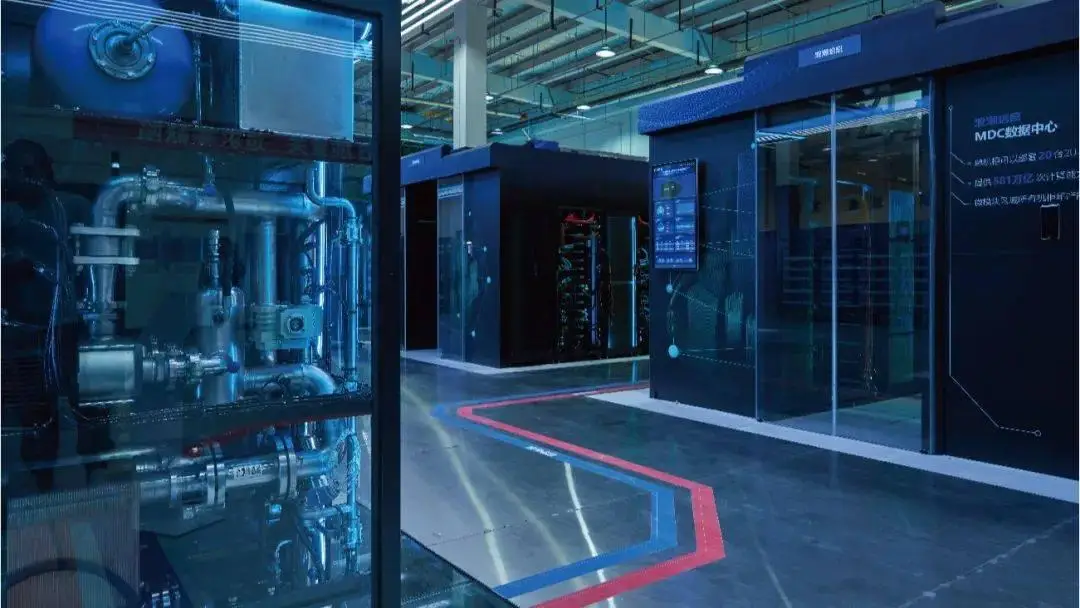
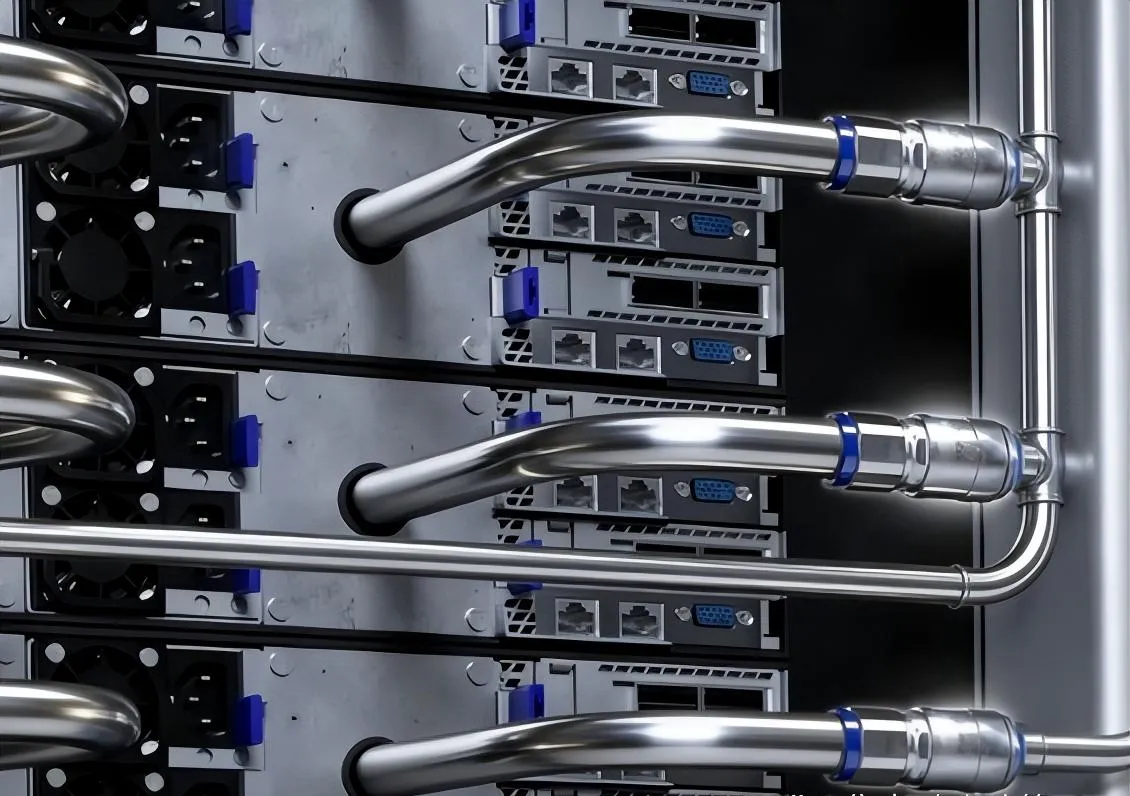
For cooling systems, a common, defensible specification is seamless 316L on the clean, high-value secondary loop and welded or seamless 304L on the lower-demand primary distribution – balancing leak risk against budget.
متى يجب عليك تحديد استخدام الفولاذ 304L بدلاً من 316L
Use this decision framework rather than defaulting to one grade everywhere:
| Specify 316L when… | Specify 304L when… |
|---|---|
| Coolant is deionized or aggressively treated | Controlled glycol blend, stable chemistry |
| Loop runs near coast or airborne salt | Inland, low-chloride environment |
| Pipes are welded manifolds / fabricated assemblies | Mechanical joints, simple distribution runs |
| Clean secondary loop to racks / cold plates | Primary facility-side distribution |
Get a Grade Recommendation for Your Loop
Not sure where 304L ends and 316L begins in your specific cooling design? Send us your loop schematic, coolant chemistry, and service conditions – our engineering team will return a graded specification mapped to each run.
التكلفة الإجمالية للملكية، وليس سعر الوحدة فحسب
316L costs more per meter – the molybdenum and richer alloying see to that. The temptation is to standardize on one grade. If you standardize, 316L is the safe direction because it covers everything 304L does. But a large network built entirely in 316L carries real cost that the controlled, lower-demand runs never cash in.
The disciplined approach is to place each grade where it earns its keep. On a build with thousands of connections, the saving from running 304L on the primary distribution – while reserving 316L for the clean, welded, corrosion-sensitive runs – adds up to meaningful CapEx relief without sacrificing uptime. Factor in the 30+ year service life of properly specified stainless and the lifecycle math favors right-grade placement over blanket upgrading.
التحديد بثقة: الجودة والامتثال
For B2B procurement, the grade on the paper has to match the metal in the rack. Insist on:
- Mill Test Report (MTR) listing exact chromium, nickel, and molybdenum content against the relevant ASTM grade.
- Positive Material Identification (PMI) – a handheld XRF test on the finished pipe before shipment proves chemistry on the factory floor.
- Standards compliance – cooling pipes are typically supplied to ASTM A312 / A269 / A270 (and A511 for mechanical tubing). Request ISO and third-party inspection documentation.
Kaixin (KXINOX), Wenzhou Kaixin Metal, is a stainless steel pipe manufacturer and nickel-alloy supplier shipping to data-center, semiconductor, and industrial clients worldwide. We provide full MTR and PMI documentation, ASTM-compliant 304L/316L seamless and welded pipe, and global export logistics – so your specified grade is the grade you receive.
Ready to Source Your Cooling Pipe?
Get a competitive quote on 304L or 316L stainless steel pipe – seamless or welded – with full mill certification. Our team responds with lead time and a technical summary tailored to your loop.
الأسئلة الشائعة
Q1. What wall thickness (schedule) should I specify for 304L/316L cooling pipes?
For most secondary cooling loops, Schedule 5S or 10S thin-wall pipe is sufficient and reduces weight and cost; higher-pressure primary runs often use Schedule 40S. Base the choice on design pressure, not on the grade – 304L and 316L share the same pressure ratings at a given schedule.
Q2. Can 304L and 316L stainless be used together in the same cooling loop?
Yes, and it is common practice. Because both are austenitic and close in potential, coupling them does not create a damaging galvanic cell the way mixing stainless with carbon steel would. The usual caution is simply to keep dissimilar metals (e.g., brass or carbon steel) out of the coolant path.
Q3. How do I verify the delivered pipe is really 316L and not 304?
Require an MTR with the molybdenum percentage (316L shows 2–3% Mo; 304L shows essentially none) and confirm with an on-site or supplier PMI (XRF) test. This is the only reliable way to catch a grade substitution before installation.
Q4. Does 316L require passivation after welding in a cooling system?
The low-carbon “L” chemistry already resists weld sensitization, so passivation is not strictly required. However, a light pickling or passivation after fabrication removes free iron from cutting and handling and restores the optimal passive layer – a worthwhile step for the clean secondary loop.
Q5. Is 316L worth the premium for an inland, controlled-facility data center?
If the facility is inland, the coolant is a stable glycol blend, and the pipes are largely mechanically joined, 304L is usually the economically rational choice on the primary side. Reserve 316L for the clean secondary loop and any welded manifolds to capture the corrosion margin where it matters.
Q6. Which ASTM standards apply to these pipes in liquid cooling?
Pressure-bearing welded and seamless pipe is typically ASTM A312 (welded/seamless) or A269/A270 for tubing and sanitary loops. Mechanical/specific-purpose tubing may reference A511. Always tie the purchase order to the specific ASTM grade and request the corresponding MTR.
الموارد ذات الصلة
From the Kaixin (KXINOX) knowledge base:
- لماذا تُعد الأنابيب المصنوعة من الفولاذ المقاوم للصدأ ضرورية للتبريد السائل في مراكز بيانات الذكاء الاصطناعي
- Will 304 Stainless Steel Pipe Rust? The Ultimate Guide to SS 304 Corrosion Resistance
- SS Tube Production: Seamless vs Welded Pipe Processes
- Low Carbon Stainless Steel Pipe: The Ultimate Guide to 316L vs 316
- 904L vs 316L Stainless Steel Pipe: Is the Premium Price Worth It?
- Standard Pipe Dimensions Calculator
 English
 Afrikaans
 Arabic
 Bengali
 Catalan
 Chinese
 French
 Dutch (Belgium)
 Dutch
 German
 Czech
 Greek
 Hindi
 Japanese
 Italian
 Portuguese
 Spanish (Chile)
 Spanish (Colombia)
 Spanish (Argentina)
 Persian
 Estonian
 Albanian
 Russian
 Spanish (Peru)
 Indonesian
 Thai
 Vietnamese
 Georgian
 Korean
 Nepali
 Polish
 Ukrainian
 Malayalam
 Xhosa