Kur sigurohen produkte prej çeliku inox për një projekt të ri, termat “pajp” dhe “tub” shpesh përdoren në mënyrë të ndërsjellë. Megjithatë, pajpi dhe tubi prej çeliku inox specifikohen, prodhohen dhe testohen në mënyra të ndryshme, dhe zgjedhja e gabuar mund të çojë në mos-përputhje dimensionale, kosto të panevojshme ose probleme me performancën.
Çelësi për të kuptuar ndryshimin midis tubit të çelikut inox dhe tubës së çelikut inox nuk është vetëm pamja e tyre. Duhet të merrni parasysh si matet produkti, cilin standard ndjek, tolerancën e përmasave, kërkesat e materialit dhe kushtet në të cilat do të funksionojë.
Ky udhëzues shpjegon ndryshimin midis tubacionit dhe tubit, krahason karakteristikat e tyre kryesore dhe ofron këshilla praktike për zgjedhjen e tyre në aplikime industriale.
1. Çfarë është tubi prej çeliku inox?
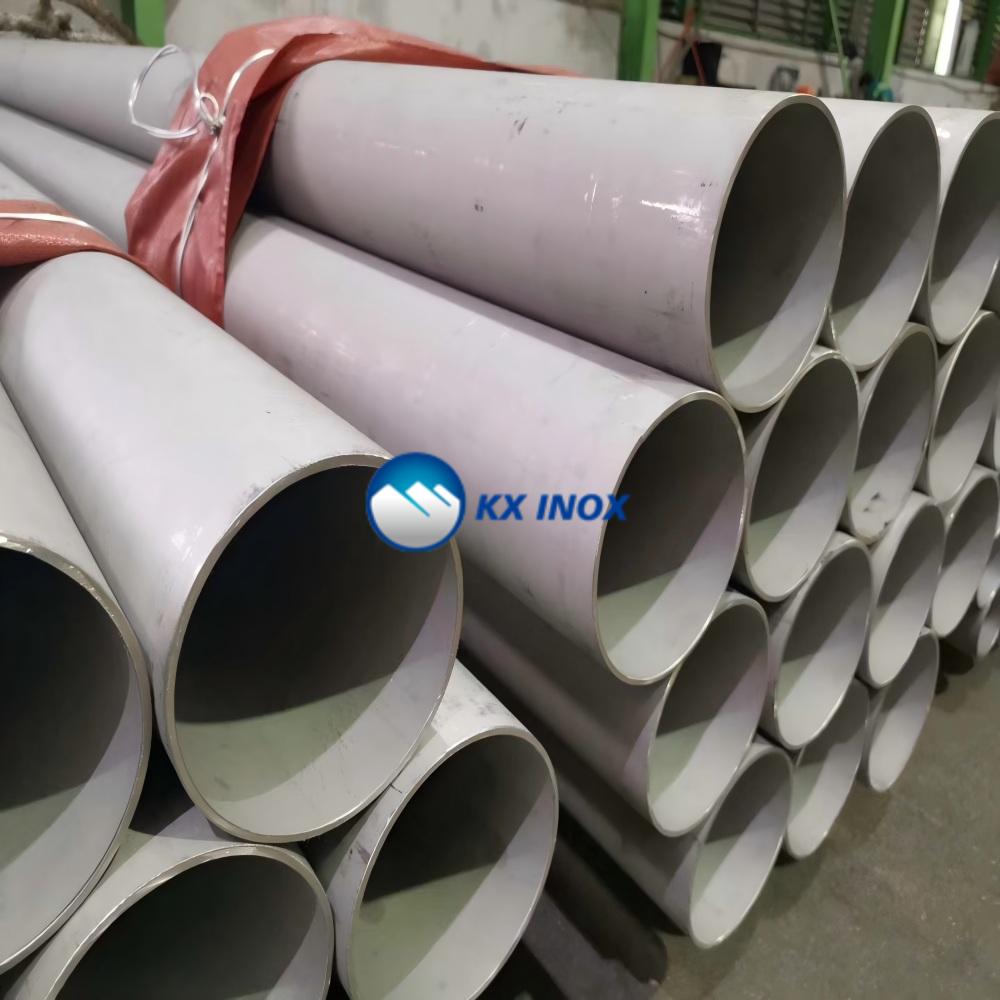
Tub çeliku inox Është një produkt i zbrazët, zakonisht i rrumbullakët, kryesisht i projektuar për të transportuar lëngje, gazra, avull ose media të tjera procesi. Dimensionet e tubave zakonisht përcaktohen nga madhësia nominale e tubit (NPS) dhe skedula, ndërsa diametri i jashtëm aktual dhe trashësia e murit përcaktohen nga standardi dimensional përkatës.
Për shembull, ASTM A312 mbulon tuba inox austenitik pa bashkim, me bashkim të drejtë të salduar dhe të përpunuar shumë në të ftohtë, të destinuar për shërbim në temperatura të larta dhe në mjedise korrozive të përgjithshme.
Tubat prej çeliku inox zgjidhen gjerësisht kur trajtimi i presionit, kapaciteti i rrjedhjes, rezistenca ndaj korrozionit dhe përputhshmëria me komponentët e tubacioneve janë të rëndësishme.
Opsionet e zakonshme përfshijnë tuba çeliku inox të pa-salduar dhe të salduar, me klasa të tilla si 304, 304L, 316, 316L, 321, 347H, si dhe klasa të tjera speciale të disponueshme për kushte të ndryshme shërbimi.
2. Çfarë është tubi prej çeliku inox?
Tubi prej çeliku inox është një produkt i zbrazët i prodhuar me theks të madh në përmasa të sakta, vetitë mekanike, përfundimin e sipërfaqes ose kërkesat specifike të aplikimit. Tubat e rrumbullakët janë të zakonshëm, ndërsa profilet katrore, drejtkëndore dhe të tjera janë gjithashtu të disponueshme në varësi të specifikimeve të prodhimit.
Ndryshe nga përcaktimi i madhësisë së tubave standardë, tubat zakonisht porositen sipas diametrit të jashtëm aktual dhe trashësisë së murit. Kjo i bën ato të përshtatshme për aplikime ku saktësia dimensionale dhe gjeometria e kontrolluar janë kritike.
Për shembull, tubi prej çeliku inox ASTM A213 është posaçërisht i destinuar për përdorim në kazane pa bashkim, superngrohës dhe shkëmbyes të nxehtësisë. Specifikimi përfshin kërkesa për trajtim termik, testim mekanik dhe testim jo-destruktiv ose hidrostatik.
Prandaj, një tub nuk duhet të konsiderohet automatikisht si një version më i vogël ose më i hollë i një tubacioni. Specifikimi i zbatueshëm dhe shërbimi i synuar përcaktojnë se çfarë është në të vërtetë produkti.
3. 6 Dallime midis tubit dhe tubulës prej çeliku inox
Edhe pse tubat dhe çorapet prej çeliku inox mund të duken të ngjashëm, ato janë projektuar sipas standardeve dhe kërkesave të performancës të ndryshme. Kuptimi i këtyre dallimeve ndihmon blerësit të zgjedhin produktin e duhur, të shmangin gabimet në specifikime dhe të optimizojnë kostot e projektit.
Tabela e krahasimit të shpejtë
| Karakteristikë | Tub çeliku inox | Tub çeliku inox |
|---|
| Madhësia dhe matja | Specifikohet nga madhësia nominale e tubit (NPS) dhe skeduli | Specifikohet nga diametri i jashtëm aktual (OD) dhe trashësia e murit. |
| Procesi i prodhimit | Pa bashkim ose i salduar, kryesisht për transportin e lëngjeve | Pa bashkim, të salduar ose të tërhequr në të ftohtë për aplikime precize |
| Standardet e prodhimit | ASTM A312, ASTM A358, ASTM A778, etj. | ASTM A213, ASTM A269, ASTM A270, etj. |
| Toleranca dimensionale | Tolerancat standarde industriale | Toleranca më të ngushta dimensionale |
| Kërkesat për material dhe performancë | Fokusi në rezistencën ndaj presionit dhe mbrojtjen nga korrozioni | Fokusohuni në saktësinë dimensionale, pronat mekanike dhe transferimin e nxehtësisë. |
| Kosto dhe personalizim | Në përgjithësi më ekonomik në madhësi standarde | Mundësi më e madhe për personalizim, por shpesh me kosto më të lartë |
Madhësia dhe matja
Dallimi më themelor midis tubacionit dhe tubit është mënyra se si ato matën dhe specifikohen.
Tubat prej çeliku inox zakonisht përcaktohen nga Madhësia Nominale e Tubit (NPS) dhe Orari (SCH). Madhësia nominale shërben si referencë në industri dhe nuk përfaqëson diametrin e saktë të brendshëm ose të jashtëm. Për shembull, një tub 2-inç nuk ka domosdoshmërisht një diametër të jashtëm prej 2 inç.
Tubat prej çeliku inox, nga ana tjetër, specifikohen duke përdorur diametrin e tyre të jashtëm aktual, trashësinë e murit dhe ndonjëherë diametrin e brendshëm. Kjo metodë ofron kontroll më të saktë dimensional dhe i lejon inxhinierët të zgjedhin tubacionet bazuar në kërkesat e sakta të dizajnit.
Për ekipet e prokurimit, ky dallim është thelbësor sepse porositja e një tubi duke përdorur përmasat e një tubacioni—ose anasjelltas—mund të çojë në gabime të kushtueshme në blerje.
Procesi i prodhimit
Të dy tubat dhe çorapet prej çeliku inox mund të prodhohen me metoda pa bashkim ose me saldim, por fokusi i prodhimit është i ndryshëm.
Prodhimi i tubave industrialë prej çeliku inox prioritizon mbajtjen e presionit, efikasitetin e rrjedhjes dhe përputhshmërinë me standardet e tubacioneve. Tubat pa bashkim shpesh zgjidhen për sisteme me presion të lartë, ndërsa tubat e salduar përdoren gjerësisht për aplikime të përgjithshme procesesh.
Tubat prej çeliku inox shpesh i nënshtrohen përpunimeve shtesë si tërheqje e ftohtë, tharje, polirje ose matje precize. Këto hapa shtesë të prodhimit përmirësojnë qëndrueshmërinë dimensionale, përfundimin e sipërfaqes dhe vetitë mekanike.
Si rezultat, prodhimi i tubave zakonisht përfshin kërkesa më të rrepta për kontrollin e cilësisë sesa prodhimi i tubave standardë.
Standardet e prodhimit
Një tjetër ndryshim i madh midis tubacionit dhe tubit është specifikimi qeverisës.
Tubat zakonisht prodhohen sipas standardeve të tilla si:
- ASTM A312 Tub inox
- ASTM A358 Tub i salduar me fuzion elektrik
- ASTM A778 Tub çeliku inox të salduar
Këto standarde përqendrohen në shërbimin nën presion, transportin e lëngjeve, rezistencën ndaj korrozionit dhe kërkesat e proceseve industriale.
Tubat zakonisht prodhohen sipas standardeve të tilla si:
- ASTM A213 Tub çeliku inox
- ASTM A269 Tubacione çeliku inox
- ASTM A270 Tubacione çeliku inox sanitare
Këto standarde theksojnë saktësinë dimensionale, vetitë mekanike, pastërtinë dhe performancën specifike për aplikimin.
Kuptimi i standardit të zbatueshëm shpesh është më i rëndësishëm sesa thjesht identifikimi i një produkti si tuba ose si qark.
Toleranca dimensionale
Toleranca dimensionale i referohet ndryshimit të lejuar në madhësi gjatë prodhimit.
Tubat prej çeliku inox Përgjithësisht prodhohen me toleranca të përshtatshme për sistemet industriale të tubacioneve. Duke qenë se lidhjet e tubacioneve mbështeten në përbërës të standardizuar dhe flanxha, ndryshime të vogla dimensionale zakonisht pranohen brenda kufijve të specifikimit.
Tubat prej çeliku inox zakonisht kërkojnë toleranca shumë më të ngushta për diametrin e jashtëm, trashësinë e murit, koncentricitetin dhe drejtësinë. Dimensionet precize janë veçanërisht të rëndësishme në industri të tilla si farmaceutika, instrumentacioni, industria ajrore dhe prodhimi i shkëmbyesve të nxehtësisë.
Kur performanca e pajisjes varet nga përmasat e sakta, tubacioni shpesh është zgjedhja e preferuar.
Kërkesat për material dhe performancë
Edhe pse tubat dhe çorapet mund të prodhohen nga të njëjtat klasa të çelikut inox, prioritetet e tyre të performancës shpesh janë të ndryshme.
Tubat prej çeliku inox zakonisht zgjidhen bazuar në:
- Rezistenca ndaj presionit
- Rezistenca ndaj korrozionit
- Kapaciteti i rrjedhjes
- Qëndrueshmëri afatgjatë
Për shembull, tubi prej çeliku inox ASTM A312 përdoret gjerësisht në impiante kimike, në objekte të naftës dhe gazit, dhe në sisteme për përpunimin industrial ku transporti i besueshëm i lëngjeve është thelbësor.
Tubat prej çeliku inox shpesh zgjidhen bazuar në:
- Efikasiteti i transferimit të nxehtësisë
- Forca mekanike
- Cilësia e sipërfaqes
- Saktësia dimensionale
Për shembull, tubi prej çeliku inox ASTM A213 është projektuar posaçërisht për kazane, superngrohës dhe shkëmbyes të nxehtësisë që funksionojnë në temperatura të larta dhe në kushte shërbimi të kërkuara.
Prandaj, zgjedhja e materialit duhet gjithmonë të marrë parasysh aplikimin e synuar, në vend që të përqendrohet vetëm në klasën e çelikut inox.
Kosto dhe personalizim
Dallimet në kosto midis tubave dhe tubave të rrjedhshëm udhëhiqen kryesisht nga kompleksiteti i prodhimit dhe kërkesat për personalizim.
Tubat standarde prej çeliku inox zakonisht janë të disponueshme në orare dhe përmasa të zakonshme, gjë që i bën më të lehta për t'u siguruar dhe më ekonomike për projekte me volum të madh. Për shkak se përmasat e tubave janë shumë të standardizuara, efikasiteti i prodhimit është më i lartë dhe kostot për njësi zakonisht janë më të ulëta.
Tubat prej çeliku inox shpesh kërkojnë toleranca më të ngushta, përmasa të specializuara, përfundime të lëmuara ose teste shtesë. Këto kërkesa rrisin kohën e prodhimit dhe kostot e prodhimit, por ofrojnë më shumë fleksibilitet për aplikime të personalizuara.
Nga këndvështrimi i prokurimit, zgjedhja më e mirë duhet të bazohet në vlerën totale të ciklit të jetës, e jo vetëm në çmimin e blerjes. Zgjedhja e një produkti që përputhet saktësisht me kërkesat e aplikacionit mund të reduktojë kostot e instalimit, shpenzimet e mirëmbajtjes dhe rreziqet operative afatgjata.
4. Zbatimet e tubave dhe të tubulave prej çeliku inox
Zgjedhja midis tubacionit dhe tubit varet shumë nga aplikimi.
Industria e naftës dhe gazit
Tubi industrial prej çeliku inox përdoret në tubacione procesesh, rafineri, sisteme për trajtimin e gazit, pajisje detare dhe mjedise të tjera ku kërkohen rezistencë ndaj korrozionit dhe transport i besueshëm i lëngjeve.
Tubat mund të përdoren gjithashtu në shkëmbyes të nxehtësisë, instrumentacion dhe komponentë të pajisjeve ku përmasat e kontrolluara janë të rëndësishme.
Përpunimi kimik
Impiantet kimike shpesh kërkojnë produkte prej çeliku inox që mund të përballojnë media korrozive, temperatura të larta dhe kushte operative të kërkuara. Klasa si 316L dhe aliazhët e tjerë rezistentë ndaj korrozionit mund të merren në konsideratë në varësi të kimikateve të përfshira.
Industria e Ushqimit dhe Pijeve
Çeliku inox është përdorur gjerësisht në sistemet e përpunimit dhe magazinimit sepse është rezistent ndaj korrozionit, i qëndrueshëm dhe i përshtatshëm për mjedise higjenike.
Zgjedhja e tubave dhe e çanave duhet të marrë parasysh përfundimin e sipërfaqes së brendshme, pastërtinë, kërkesat për saldimin dhe standardet sanitare të zbatueshme.
Industria farmaceutike
Sistemet e përpunimit farmaceutik i japin më shumë rëndësi pastërtisë, gjendjes së sipërfaqes, rezistencës ndaj korrozionit dhe qëndrueshmërisë dimensionale. Tubacionet e specializuara prej çeliku inox mund të përdoren në pajisjet e procesit, në trajtimin e lëngjeve dhe në aplikime të tjera precize.
Sistemet e shkëmbyesve të nxehtësisë dhe të bojlerëve
Kjo është një zonë ku dallimi midis tubi dhe tubi bëhet veçanërisht i rëndësishëm.
Komponentët e shkëmbyesve të nxehtësisë dhe të bojlerëve zakonisht përdorin tuba prej çeliku inox, sepse gjeometria dhe vetitë e materialit të tyre janë ngushtë të lidhura me transferimin e nxehtësisë dhe performancën në temperatura të larta. ASTM A213, për shembull, mbulon në mënyrë specifike tubat pa bashkim për aplikime në bojlerë, superngrohës dhe shkëmbyes të nxehtësisë.
Ndërtim dhe pajisje industriale
Tub çeliku inox Përdoret shpesh për korniza, mbështetje, komponentë makinash, struktura arkitektonike dhe asamble të prodhuara. Tubi lidhet më shpesh me sistemet e trajtimit të lëngjeve, megjithatë aplikimi përfundimtar dhe specifikimi përkatës duhet gjithmonë të përcaktojnë zgjedhjen e produktit.
5. Si të zgjidhni tuba ose çelik inox?
Nëse po krahasoni tuba çeliku inox me tuba për një projekt, përdorni rendin e mëposhtëm të blerjes.
Vlerësoni aplikimin tuaj
Së pari përcaktoni nëse produkti do të transportojë lëng ose gaz, do të transferojë nxehtësi, do të ofrojë mbështetje strukturore, ose do të përbëjë pjesë të pajisjeve precize.
Një sistem tubacionesh për procese zakonisht fillon me specifikimin e tubit, ndërsa një shkëmbyes të nxehtësisë ose një komponent mekanik preciz mund të kërkojë tuba.
Kontrolloni kërkesat për presion dhe temperaturë
Identifikoni presionin e projektimit, presionin e funksionimit, temperaturën e funksionimit dhe luhatjet e mundshme të temperaturës.
Për aplikime me presion të lartë ose temperaturë të lartë, mos zgjidhni një produkt vetëm bazuar në klasën e çelikut inox. Duhet të vlerësohen specifikimi i plotë i materialit, trashësia e murit, metoda e prodhimit, kërkesat për testimin dhe kodi i zbatueshëm i projektimit.
Caktoni madhësinë dhe përmasat e nevojshme
Për tubin, konfirmoni NPS, orarin, diametrin e jashtëm, trashësinë e murit dhe gjatësinë.
Për tubin, konfirmoni diametrin e jashtëm aktual, trashësinë e murit, diametrin e brendshëm kur është e zbatueshme, gjatësinë, formën dhe tolerancën dimensionale.
Ofruarja e përmasave të sakta në fazën e ofertës mund të reduktojë komunikimin vajtje-ardhje dhe t'u ndihmojë furnizuesve të rekomandojnë një produkt të përshtatshëm.
Zgjidhni klasën e duhur të materialit
Zgjedhjet e zakonshme përfshijnë 304, 304L, 316 dhe 316L, ndërsa klasa të tilla si 321H, 347H, 310S dhe çeliku inox duplex mund të merren në konsideratë për mjedise më të kërkuara.
Klasa e duhur varet nga ekspozimi ndaj korrozionit, temperatura, presioni, kërkesat mekanike dhe kushtet e prodhimit.
Zgjidhni standardin e saktë
Mos i trajtoni kurrë ASTM A213 dhe ASTM A312 si specifikime të ndërrueshme.
A213 është posaçërisht një specifikim për tuba për aplikime në kazane, superngrohës dhe shkëmbyes të nxehtësisë, ndërsa A312 mbulon tuba prej çeliku inox austenitik për shërbime me temperaturë të lartë dhe korrozive të përgjithshme.
Gjithmonë konfirmoni standardin e projektit të kërkuar, si ASTM, ASME, EN, DIN ose ndonjë tjetër, para se të bëni një porosi.
Bëni punë me një furnizues të besueshëm
Një furnizues i kualifikuar i tubave prej çeliku inox duhet të jetë në gjendje të ofrojë më shumë se vetëm çmimin e produktit. Kontrolloni nëse furnizuesi mund të mbështesë zgjedhjen e materialit, kërkesat dimensionale, standardet e zbatueshme, testimin, përfundimin e sipërfaqes, dokumentacionin dhe dorëzimin.
Kaixin, për shembull, prodhon dhe furnizon tuba pa bashkim prej çeliku inox, tuba prej çeliku inox, tuba kapilarë, produkte prej çeliku inox duplex dhe produkte të ngjashme. Gama e produkteve të saj përfshin specifikimet ASTM A213 dhe ASTM A312, si dhe klasa të tilla si 304, 316L, 321H dhe 347H.
Për projekte që kërkojnë përmasa të personalizuara, klasa të veçanta ose kërkesa specifike për inspektim, puna drejtpërdrejt me një prodhues me përvojë të tubave prej çeliku inox mund të thjeshtësojë gjithashtu komunikimin teknik dhe furnizimin.
6. Pyetje të shpeshta
Cili është dallimi kryesor midis tubit prej çeliku inox dhe tubit?
Dallimi kryesor është mënyra se si ato specifikohen dhe për çfarë përdoren. Tubacioni zakonisht projektohet për transportin e lëngjeve ose gazrave dhe zakonisht identifikohet me NPS dhe orarin. Tubi zakonisht specifikohet nga diametri i jashtëm (OD) dhe trashësia e murit dhe përdoret gjerësisht për transferim të nxehtësisë, aplikime mekanike, strukturore dhe precize.
A është ASTM A213 një standard për tuba apo për kavanoza?
ASTM A213 është një specifikim për tuba. Ai mbulon tubat e pandërprerë prej çeliku të aliazhuar feritik dhe austenitik për kazane, superngrohës dhe shkëmbyes të nxehtësisë.
Cili është më i mirë për aplikimet me presion të lartë, tubi apo tubula?
Asnjëri nuk është automatikisht më i mirë. Zgjedhja e duhur varet nga standardi i zbatueshëm, klasa e materialit, trashësia e murit, procesi i prodhimit, presioni i projektimit, temperatura dhe kodi i projektit. Një tub pa bashkim i specifikuar si duhet mund të jetë i përshtatshëm për shërbime me presion të lartë.
A janë tubat dhe tubet prej çeliku inox të ndërrueshëm?
Jo domosdoshmërisht. Edhe kur përmasat e tyre duken të ngjashme, ato mund të kenë sisteme të ndryshme matjesh, toleranca, standarde, kërkesa testimi dhe aplikime të synuara. Gjithmonë konfirmoni specifikimet para zëvendësimit.
A mund të përdoren tubat prej çeliku inox për transportin e lëngjeve?
Po. Disa tuba prej çeliku inox janë projektuar posaçërisht për aplikime me lëngje, transferim të nxehtësisë, kazane ose procese. Tubat ASTM A213, për shembull, përdoren në kazane, superngrohës dhe shkëmbyes të nxehtësisë.
Cili është ndryshimi midis ASTM A213 dhe ASTM A312?
ASTM A213 mbulon tuba çeliku të aliazhuar feritike dhe austenitike pa bashkim për aplikime në kazane, superngrohës dhe shkëmbyes të nxehtësisë. ASTM A312 mbulon tuba çeliku inox austenitik pa bashkim, të salduar dhe të përpunuar intensivisht në të ftohtë për shërbime me temperatura të larta dhe korrozive në përgjithësi.
7. Përfundim
Zgjedhja midis tubit dhe tubës prej çeliku inox nuk është thjesht një çështje e përzgjedhjes bazuar në pamje ose çmim. Produkti i duhur varet nga aplikimi, dimensionet, kushtet e presionit dhe temperaturës, klasa e materialit, metoda e prodhimit dhe standardi i kërkuar.
Për transportin e lëngjeve, tubi industrial prej çeliku inox, i specifikuar sipas standardit të duhur të tubacioneve, shpesh është pika logjike e nisjes. Për shkëmbyesit e nxehtësisë, bojlerët, pajisjet precize ose aplikimet që kërkojnë përmasa të kontrolluara, tubulat prej çeliku inox mund të jenë më të përshtatshme.
Kaixin ofron zgjidhje për tuba dhe çorte çeliku inox në shumë klasa, përmasa, kushte prodhimi dhe specifikime ndërkombëtare. Nëse tashmë keni një klasë materiali, standard ASTM, diametër të jashtëm (OD), trashësi të murit, sasi ose kërkesë aplikimi, mund të kontaktoni Kaixin për një rekomandim produkti të përshtatshëm dhe një ofertë çmimi.
Keni nevojë për ndihmë për të zgjedhur midis tubit dhe tubacionit prej çeliku inox? Kontaktoni Kaixin sot me specifikimet dhe kërkesat e projektit tuaj për të marrë një rekomandim profesional për produktin dhe një ofertë çmimi.
 Wenzhou Kaixin Kaixin Metal Co.,LTD

 English
 Afrikaans
 Arabic
 Bengali
 Catalan
 Chinese
 French
 Dutch (Belgium)
 Dutch
Dutch German
 Czech
Czech Greek
Greek Hindi
Hindi Japanese
 Italian
 Portuguese
 Spanish (Chile)
 Spanish (Colombia)
 Spanish (Argentina)
 Persian
 Estonian
 Albanian
 Russian
 Spanish (Peru)
 Indonesian
 Thai
Thai Vietnamese
 Georgian
 Korean
 Nepali
 Polish
 Ukrainian
 Malayalam
 Xhosa
Xhosa