 Wenzhou Kaixin Metaal Co, LTD

Haste Alloy VS Super Duplex Stainless Steel Pipe
If you are comparing “Haste Alloy” with super duplex stainless steel pipe, you are most likely looking at Hastelloy versus high-performance duplex stainless steel for corrosive piping service. Both materials can outperform standard stainless steel pipes, but they solve different problems. The best choice depends on the chemical environment, chloride level, temperature, pressure, strength requirements, and budget.
What is the real difference between Haste Alloy and super duplex pipe?
The main difference is that Hastelloy is a nickel-based corrosion-resistant alloy family, while super duplex pipe is a stainless steel family with a mixed austenitic-ferritic structure. In simple terms, Hastelloy is usually chosen when chemical corrosion is the dominant risk, especially in aggressive acids, while superduplex roestvast staal is often chosen when high strength and chloride resistance are needed at a more manageable cost.
The phrase haste alloy vs super duplex stainless steel pipe is commonly used by buyers who mean Hastelloy vs super duplex stainless steel pipe. Hastelloy grades such as C276 are known for exceptional resistance in severe chemical processing conditions. Super duplex grades such as 2507 are known for strong mechanical performance and excellent resistance to chloride pitting, crevice corrosion, and stress corrosion cracking.
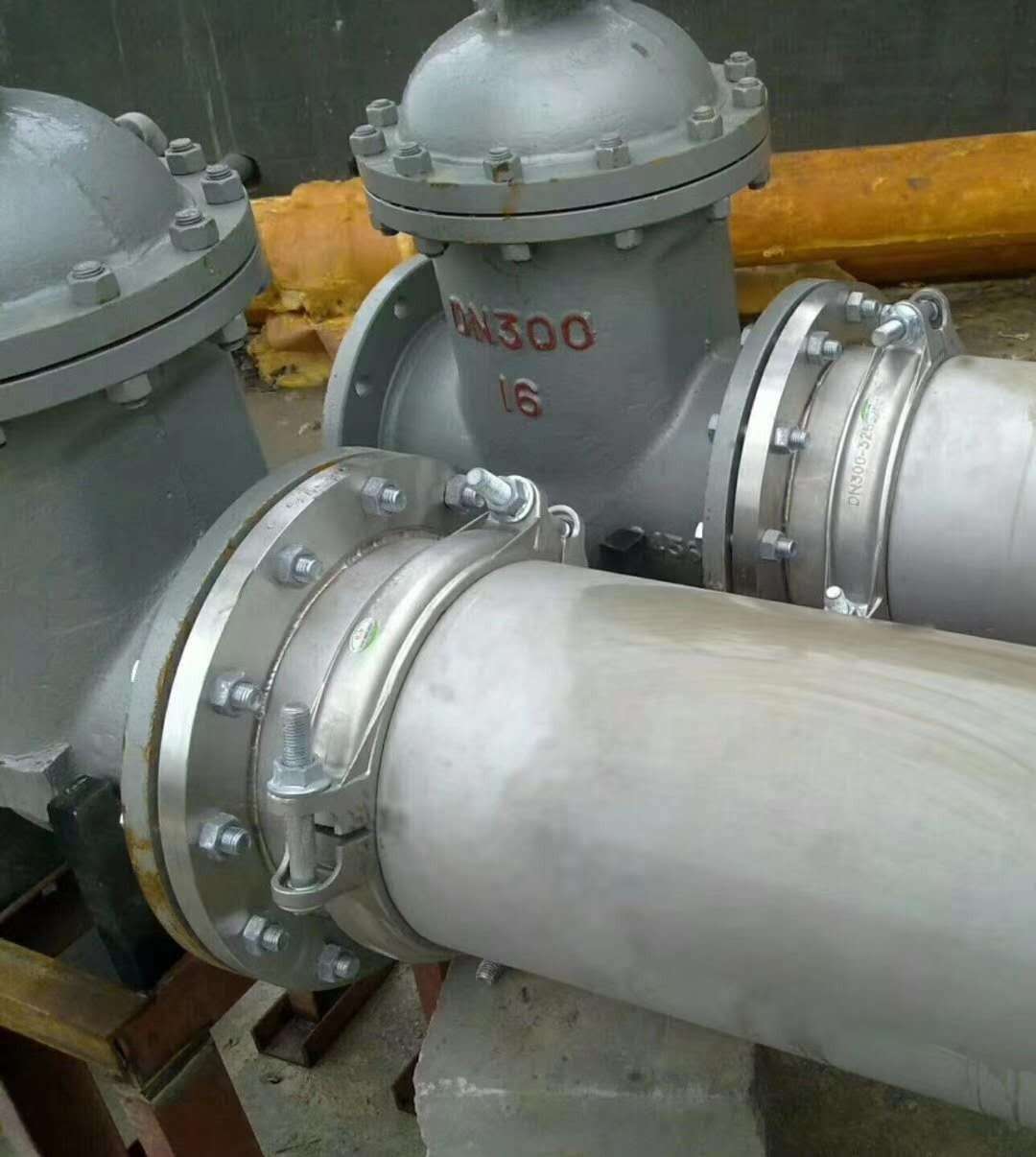
roestvrijstalen buis geïnstalleerd in een industriële verwerkingsinstallatie
Alloy families and why they matter
A useful pipe material comparison starts with alloy chemistry. Standard roestvrijstalen buizen rely heavily on chromium to form a passive oxide layer that helps protect the surface. Duplex and super duplex stainless steels build on that foundation by balancing austenite and ferrite phases, which improves strength and chloride corrosion resistance compared with many conventional stainless grades.
Hastelloy, by contrast, is based primarily on nickel with additions such as molybdenum and chromium depending on the grade. That chemistry gives it a wider safety margin in many highly corrosive environments, especially where reducing acids or mixed chemical streams are involved. This is why alloy vs stainless is not just a price question. It is a question of failure mode, maintenance risk, and process compatibility.
Corrosion resistance is the deciding factor
For many projects, corrosion resistance is the reason these materials are being compared at all. Super duplex roestvast staal performs very well in seawater, brine, desalination service, offshore production, and other chloride-rich environments. A super duplex grade such as 2507 often has a PREN value around 40 or higher, indicating strong resistance to pitting corrosion.
Hastelloy C276 can go much further in severe chemical environments, with an exceptionally high PREN often cited around 78. It is especially valuable where strong acids, oxidizing salts, contaminated process fluids, or mixed corrosive media make stainless steel selection risky. Super duplex can be excellent in chlorides, but it may not be the best fit for strong reducing acids such as hydrochloric acid or certain sulfuric acid conditions.
Key corrosion takeaways:
- Kies super duplex pipe for seawater, marine, offshore, subsea, sour gas, and many chloride-heavy applications.
- Choose Hastelloy when the process includes highly aggressive acids, mixed chemical streams, or environments where stainless steels may pit, crack, or rapidly lose wall thickness.
- Do not select either material by name alone. Final grade selection should consider concentration, temperature, oxygen content, contaminants, flow rate, and cleaning chemicals.
How do super duplex properties compare in strength and heat?
Super duplex properties are a major reason engineers choose this material for demanding piping. Super duplex roestvast staal can offer yield strength around 550 MPa, depending on grade and specification, making it much stronger than common austenitic stainless steels such as 316L. That strength can support thinner-wall designs in some applications, reducing weight while maintaining pressure performance.
Hastelloy is not weak, but its strongest advantage is corrosion resistance rather than strength-to-cost efficiency. In piping systems where mechanical strength, chloride resistance, and weight control all matter, super duplex can be the more practical choice. In extreme chemical or high-temperature corrosion service, Hastelloy may justify its higher cost because it can reduce the risk of premature failure.
Thermal behavior also matters. Hastelloy grades are often preferred in high-temperature chemical service because of their stability and oxidation resistance. Super duplex stainless steels are powerful materials, but they have operating temperature limits that must be respected to protect their microstructure and corrosion performance.
Typical applications for each pipe material
Super duplex stainless steel pipes are widely used where strength and chloride resistance meet. Common scenarios include offshore platforms, subsea pipelines, seawater cooling systems, desalination plants, chemical tankers, pulp and paper systems, and sour gas service. In these environments, the material’s combination of strength and corrosion resistance can be more economical than jumping directly to a nickel alloy.
Hastelloy pipes are more common in aggressive chemical processing, acid production, pollution control systems, high-temperature filtration, pharmaceutical processing, and specialty reactors. They are often selected when process chemistry is too severe or too unpredictable for stainless steel. In other words, Hastelloy is typically the upgrade path when even high-performance stainless materials do not provide enough corrosion allowance or chemical compatibility.

side by side view of duplex stainless and nickel alloy pipe sections
Cost and lifecycle value should be judged together
Material cost usually rises in this general order: standard stainless steel, duplex stainless steel, super duplex stainless steel, then Hastelloy and other specialty nickel alloys. That does not mean the cheapest option is the best value. A lower-cost pipe that fails early can create downtime, safety risks, contamination, replacement labor, and production losses.
At the same time, over-specifying can waste budget. If a super duplex pipe can safely handle the chloride level, pressure, temperature, and cleaning chemicals, Hastelloy may be unnecessary. But if the piping will carry aggressive acids or highly variable chemical streams, the higher upfront cost of Hastelloy may be easier to justify.
A practical selection checklist:
- Define the actual fluid, including contaminants and cleaning agents.
- Confirm chloride concentration, pH, temperature, pressure, and flow conditions.
- Identify the main risk: pitting, crevice corrosion, stress corrosion cracking, erosion, oxidation, or acid attack.
- Compare mechanical requirements, including yield strength, wall thickness, and installation weight.
- Review welding, fabrication, inspection, and availability requirements.
- Evaluate lifecycle cost, not just purchase price.
When should you choose one over the other?
Choose super duplex roestvast stalen pijp when you need high strength, strong chloride resistance, and good lifecycle value in marine, oil and gas, desalination, or similar environments. Choose Hastelloy when the chemistry is more aggressive, especially where reducing acids, oxidizing salts, or severe process conditions make stainless steel performance uncertain.
For many projects, the decision is not simply alloy vs stainless. It is about matching the material to the actual service conditions. Super duplex is often the efficient engineering choice for harsh chloride service. Hastelloy is often the safer choice for extreme chemical corrosion.
Belangrijkste conclusie
The right material is the one that prevents failure without overspending. Super duplex pipe offers an excellent balance of strength, chloride resistance, and cost efficiency for many industrial systems. Hastelloy offers a higher level of chemical resistance for the most aggressive services. Before ordering, confirm the exact grade, standard, corrosion data, and operating conditions with a qualified materials engineer or supplier so the selected pipe fits the real environment, not just the name on the specification.
 English
 Afrikaans
 Arabic
 Bengali
 Catalan
 Chinese
 French
 Dutch (Belgium)
 Dutch
Dutch German
 Czech
Czech Greek
Greek Hindi
Hindi Japanese
 Italian
 Portuguese
 Spanish (Chile)
 Spanish (Colombia)
 Spanish (Argentina)
 Persian
 Estonian
 Albanian
 Russian
 Spanish (Peru)
 Indonesian
 Thai
Thai Vietnamese
 Georgian
 Korean
 Nepali
 Polish
 Ukrainian
 Malayalam
 Xhosa
Xhosa