 वेन्झोउ काइक्सिन काइक्सिन मेटल कं., लि.

EMT विद्युतीय कन्डुइट: प्रकार र आकारहरू
Electrical metallic tubing EMT conduit is a lightweight metal raceway used to protect and route electrical wiring in many commercial, industrial, and residential projects. It is valued because it is easier to bend and install than heavier threaded conduit while still offering dependable mechanical protection. This electrical conduit guide explains common sizes, materials, fittings, and installation considerations so you can plan cleaner, code-conscious work.
What sizes does EMT electrical conduit come in?
EMT is sold by trade size, not by the exact outside measurement of the tube. Standard electrical conduit sizes for EMT typically run from ½ inch through 4 inches, with 10-foot lengths commonly used on job sites and longer lengths available in some markets. Because trade size does not equal true diameter, always check the manufacturer’s EMT electrical conduit dimensions when conduit fill, clamp spacing, or tight routing matters.
Useful planning points include:
- ½ inch and ¾ inch EMT: common for branch circuits, lighting runs, and smaller device layouts.
- 1 inch to 2 inch EMT: often used where more conductors, larger wire, or longer pulls are involved.
- 2½ inch to 4 inch EMT: suited for larger feeders and service-related pathways where allowed.
- Dimension checks: confirm outside diameter, inside diameter, wall thickness, and permitted conductor fill before ordering.
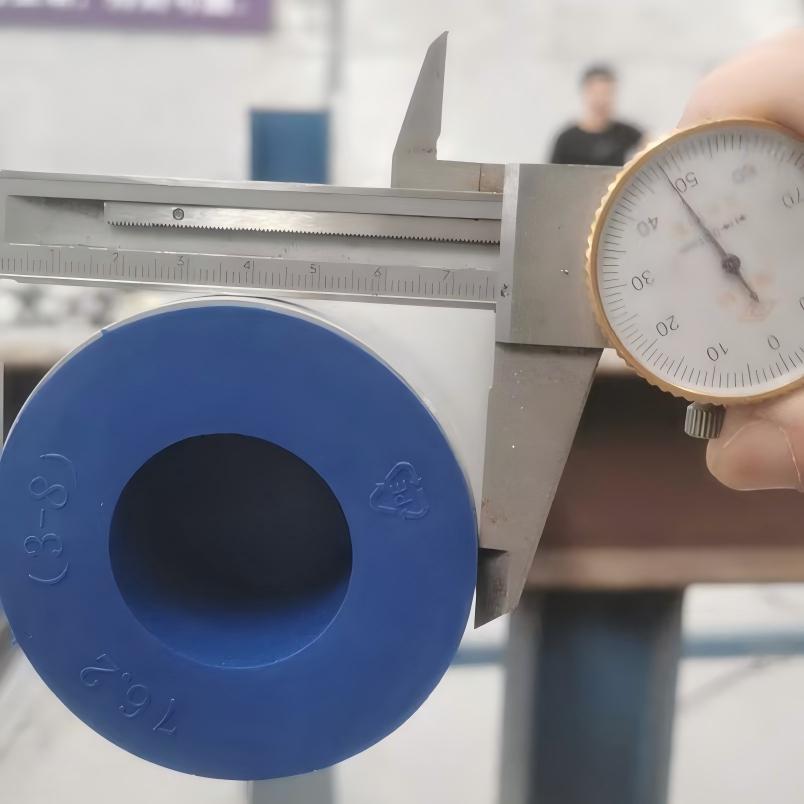
Electrician measuring EMT conduit sizes on a workbench
Materials and types of EMT conduit
Most EMT electrical conduit pipe is made from steel with a protective coating that helps resist corrosion in normal indoor and approved outdoor environments. Aluminum EMT is also available and may be chosen where lighter weight or improved क्षरण प्रतिरोध is useful. However, aluminum can react with alkaline materials, so it is generally not the preferred choice for direct placement in concrete unless the product and installation method are specifically approved.
Color-coded EMT electrical conduit is another option. It can help identify systems such as fire alarm, data, security, or emergency circuits at a glance. The metal raceway can also provide electromagnetic shielding and a smooth pathway that supports easier wire pulling when bends are planned correctly.
EMT conduit fittings keep the system secure
EMT is unthreaded, so the connection method is different from rigid metal conduit. EMT conduit fittings grip or compress around the tubing to create secure joints at boxes, panels, junctions, and conduit-to-conduit connections. Choosing the right emt electrical conduit fittings is just as important as choosing the conduit itself.
Common fitting choices include:
- Set-screw couplings and connectors: practical for dry indoor locations and fast installation.
- Compression fittings: useful where a tighter connection is needed, with some styles rated for concrete-tight or wet-locati0n use when installed as specified.
- Combination couplings: connect EMT to flexible metal conduit or other raceway types when a transition is needed.
- Bushings and locknuts: protect conductors and secure fittings at boxes or enclosures.
How is EMT conduit installation different from other conduit types?
EMT conduit installation is usually faster than installing rigid metal conduit because EMT is lighter, unthreaded, and bendable with the proper hand or mechanical bender. Unlike PVC conduit, EMT provides metal protection and grounding continuity when installed with approved fittings. Compared with flexible conduit, EMT creates straighter, more durable runs but requires more planning around bends and box placement.
For better results on site:
- Plan the route first. Mark box locations, offsets, and bend points before cutting.
- Use the correct bender. Match the bender to the EMT trade size to avoid kinks or flattened bends.
- Limit difficult pulls. Too many bends increase friction and can damage conductors.
- Deburr every cut. Sharp edges inside emt electrical conduit can nick insulation.
- Match fittings to the environment. Dry, wet, concrete-tight, and transition applications may require different emt conduit fittings.
- Verify code requirements. Check local rules and applicable NEC provisions before final installation.
Choosing EMT with confidence
EMT is a practical choice when you need a clean, durable, cost-effective metal raceway without the weight and threading demands of rigid conduit. By confirming electrical conduit sizes, checking EMT electrical conduit dimensions, and selecting compatible fittings, you reduce rework and build a safer, neater wiring pathway. For most projects, careful planning before the first cut makes the installation faster and the finished system more reliable.
 English
 Afrikaans
 Arabic
 Bengali
 Catalan
 Chinese
 French
 Dutch (Belgium)
 Dutch
Dutch German
 Czech
Czech Greek
Greek Hindi
Hindi Japanese
 Italian
 Portuguese
 Spanish (Chile)
 Spanish (Colombia)
 Spanish (Argentina)
 Persian
 Estonian
 Albanian
 Russian
 Spanish (Peru)
 Indonesian
 Thai
Thai Vietnamese
 Georgian
 Korean
 Nepali
 Polish
 Ukrainian
 Malayalam
 Xhosa
Xhosa