 वेनझोउ काइक्सिन काइक्सिन मेटल कंपनी लिमिटेड

Introduction
What is Low Carbon Stainless Steel and Why Does the “L” Matter
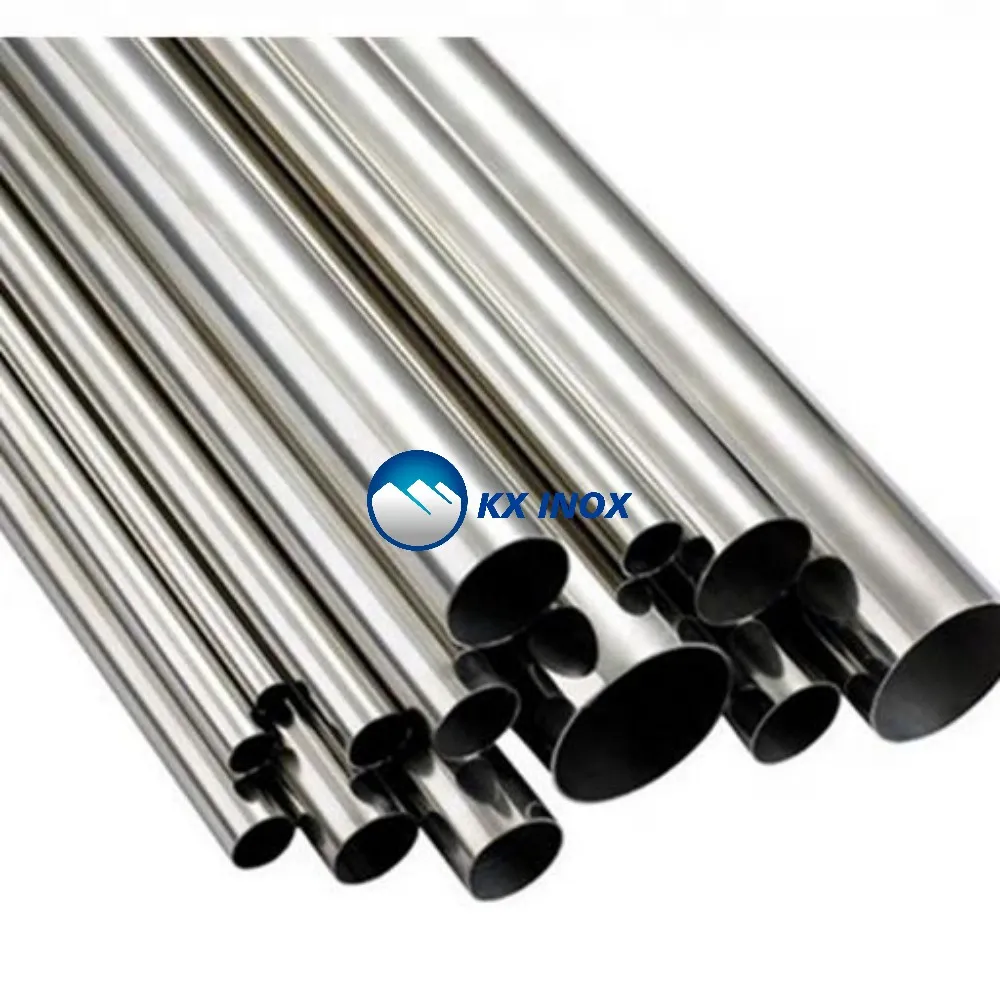
When you look at a pipe stamped with astm 316l stainless steel, that letter L is more than just a label—it is a performance guarantee. It stands for Low Carbon, but for your business, it really stands for Longevity.
The 0.03% Threshold
Standard stainless steel usually allows for a carbon content of up to 0.08%. In low carbon stainless steel, that limit is slashed to 0.03%. It sounds like a tiny change, but it completely alters how the metal behaves under heat.
The Chemistry of “Weld Decay”
Standard steel has a hidden weakness. When you weld it, the high heat causes carbon to grab onto chromium, creating chromium carbides. This robs the metal of its rust-fighting power. By using a 316l carbon content of 0.03% or less, you prevent this reaction entirely.
A Self-Healing Shield
Low carbon alloys maintain a more stable “passive layer.” This invisible film of chromium oxide is what keeps your pipes shiny and strong even when moving aggressive fluids.
What’s the Role of Low Carbon Stainless Steel in Pipe Systems
A pipe system is only as strong as its weakest joint. In industrial setups, that weak point is usually the weld. This is where low carbon stainless steel proves its value.
Eliminating Post-Weld Vulnerability
In heavy-duty piping, you cannot always perform heat treatment after welding to “fix” the metal. A low carbon stainless steel pipe ensures the area around the weld stays just as corrosion-resistant as the rest of the pipe.
Thermal Cycling Stability
Many pipe systems face constant temperature changes. Low-carbon grades handle thermal stress without becoming brittle, which is vital for the safety of your facility.
Long-Term Structural Integrity
Choosing low carbon isn’t just about preventing rust; it’s about maintaining the physical strength of the line. It ensures that internal pressure doesn’t lead to a catastrophic burst at a weakened weld point.
High Carbon Steel vs. Low Carbon Steel: What’s the Difference
Understanding the clash between high carbon steel vs low carbon steel is key to making a smart procurement choice. It is a classic tradeoff between hardness and survivability.
| विशेषता | High Carbon Steel | Low Carbon Stainless Steel |
| कठोरता | Very High (Brittle) | Moderate (Ductile) |
| संक्षारण प्रतिरोध | Low | उत्कृष्ट |
| वेल्ड करने की क्षमता | Difficult | Superior |
| Best For | Tools, Blades, Springs | Chemical, Marine, & Food Pipes |
The Hardness Trap
High carbon steel is great for making a sharp knife or a heavy-duty spring. However, in a piping system, high carbon is a liability. It makes the metal harder but also more likely to crack under vibration or freeze in cold temperatures.
The Flexibility of Low Carbon
Mild carbon steel grades and low-carbon stainless alloys are much easier to flare, bend, and weld. This flexibility makes installation faster for your team on-site and reduces the risk of stress cracks.
Rust: The Ultimate Dealbreaker
In most industrial pipe applications, rust is the enemy. High carbon steel lacks the chromium “army” that low carbon stainless steel uses to defend itself.
5 Low Carbon Stainless Steel Applications in Modern Industry
Where do these low carbon steel applications actually show up? Usually, they are in the places where failure is not an option.
Chemical & Petrochemical Plants: Handling aggressive acids and high-pressure steam. The 316l stainless steel pipe is a staple here because it won’t decay at the joints.
Marine Engineering: Saltwater is a metal-killer. High-nickel, low-carbon pipes are used on offshore rigs and ships to resist the constant attack of chloride ions.
Food & Beverage Production: Pipes must be “clean.” Low carbon grades ensure that no metallic ions or rust particles leach into the product, meeting strict hygiene standards.
Pharmaceutical Manufacturing: In a sterile environment, the ultra-smooth internal finish of a low carbon stainless steel pipe prevents bacteria from hiding in microscopic pits.
Water Treatment: From desalination to municipal supply, these pipes handle treated water without reacting to disinfectants like chlorine.
316 vs. 316L: Which Pipe Standard Should Your Business Choose
Deciding between 316 and 316L is one of the most common dilemmas in procurement.
When to Use Standard 316: If your project involves light-gauge pipes that don’t require heavy welding, or if the environment is only mildly corrosive, standard 316 stainless steel is a solid, cost-effective choice.
When to Use 316L: For any project involving heavy-wall pipes, structural welding, or aggressive chemical exposure, 316L is a must. The price difference is often negligible, but the safety benefit is massive.
The Value Proposition: To understand if the investment is worth it, consider the cost of a single day of downtime. Using 316l stainless steel pipe often pays for itself by preventing the first repair.
Why 316L Stainless Steel Pipe Is More Suitable for High-Corrosion Use
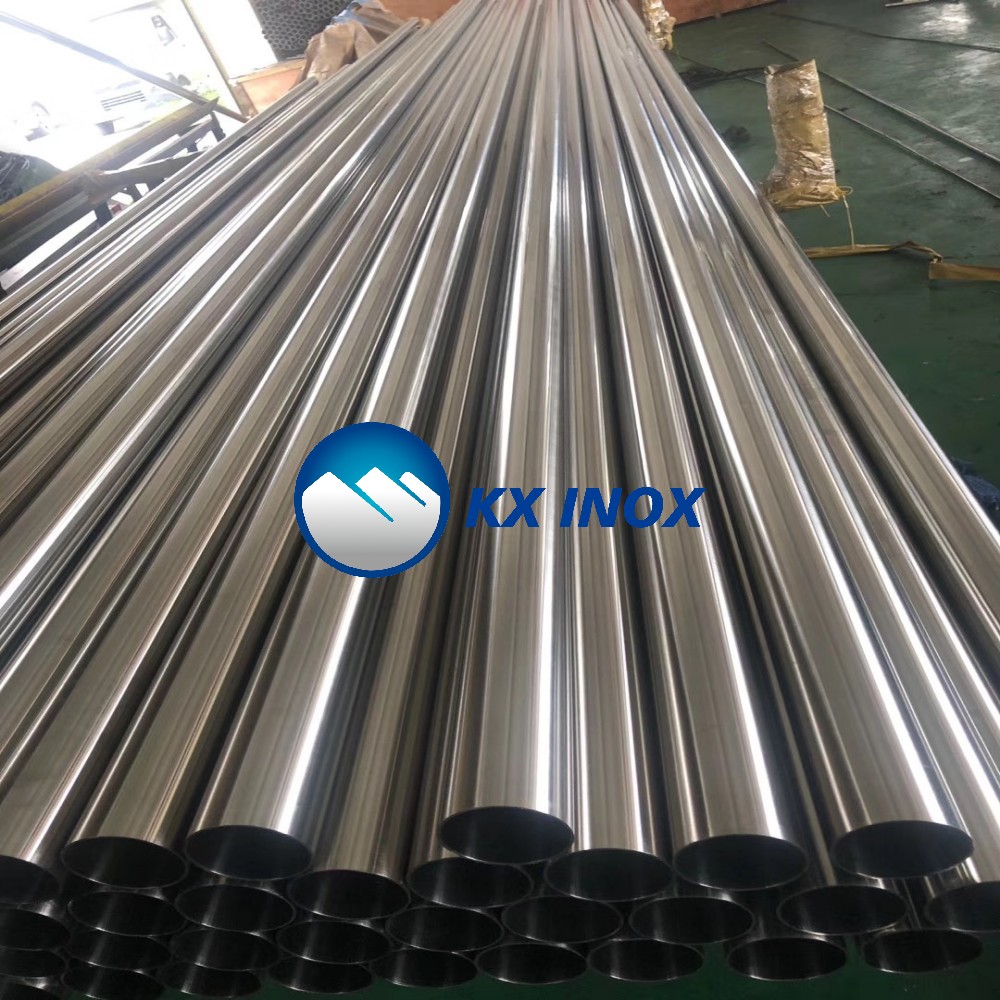
When your project involves aggressive chemicals, salt spray, or high-humidity environments, the standard 316 grade often meets its match. This is where 316L stainless steel pipe steps in as the superior choice. But why exactly does “low carbon” translate to “high corrosion resistance”?
Defeating Intergranular Corrosion (Weld Decay)
The biggest threat in high-corrosion zones is not the pipe itself, but the areas where it has been joined. In standard 316, the welding process triggers a reaction called “sensitization.” Carbon atoms migrate to the grain boundaries, stealing chromium and leaving the metal vulnerable to rust. Because 316L carbon content is kept under 0.03%, this chemical theft never happens. Your welds remain as strong and rust-proof as the rest of the line.
Superior Performance in Marine & Chloride Environments
In offshore or coastal applications, chloride ions are constantly looking for a “weak spot” on the metal’s surface to start a pit. A low carbon stainless steel pipe provides a more homogenous (uniform) micro-structure. Without the microscopic carbon-chromium “clumps” found in standard steel, the protective passive layer is much harder to penetrate.
Stability in High-Temperature Cycles
High-corrosion use often goes hand-in-hand with heat, such as in heat exchangers or chemical reactors. Standard steel can become “sensitized” over time just by sitting at high temperatures. ASTM 316L stainless steel stays stable in temperatures ranging from 450℃ to 850℃, ensuring that environmental acids don’t eat through the pipe walls during thermal cycling.
Long-Term ROI: Reducing the Total Cost of Ownership
For a B2B business, “high corrosion” usually means high maintenance costs. Choosing a low carbon stainless steel pipe is essentially an insurance policy. While the upfront cost is similar to standard 316, the lifespan is significantly longer—reducing the need for expensive chemical cleaning, patch welding, or total system shutdowns.
How to Source ASTM 316L Stainless Steel Pipes Correctly
Sourcing from a china stainless steel tube supplier, like KXINOX, can save your business significantly, but only if you verify the quality.
Check the Chemical Composition: Always demand a Mill Test Report (MTR). Verify that the astm 316l chemical composition shows carbon at 0.03% or lower.
Verify the Standard: Ensure the pipes meet astm 316l stainless steel requirements for both chemical and mechanical properties.
The Grade Check: Understanding the broader स्टेनलेस स्टील ग्रेड landscape helps you ensure you aren’t paying for “over-engineered” pipes or settling for “under-performing” ones.
अक्सर पूछे जाने वाले प्रश्न
What does the “L” mean in 316L stainless steel pipe?
It stands for “Low Carbon,” specifically indicating a carbon content of 0.03% or less.
Is 316L stainless steel pipe weaker than standard 316?
It has slightly lower mechanical strength, but it is much tougher and more corrosion-resistant after welding.
Can I weld 316 to 316L?
Yes, you can, but the weld area will only be as resistant as the standard 316 side.
Does 316L rust?
It is extremely rust-resistant, though it can still pit if exposed to very high levels of salt or acid.
Why is carbon bad for stainless steel?
High carbon causes “sensitization” during welding, which leads to rust at the joints.
Is 316L used for drinking water?
Yes, it is a top choice for potable water because it doesn’t leach lead or toxins.
Why is 316L better for the marine industry than 316?
Its low carbon prevents weld decay, making it much more resistant to saltwater pitting and crevice corrosion.
निष्कर्ष
Choosing low carbon stainless steel pipe is a smart move for any business prioritizing safety and low maintenance. By minimizing carbon, you maximize the lifespan of your critical systems. If you need help selecting the right alloy for your project, contact Kaixin today to get a professional quote and technical support!
 English
 Afrikaans
 Arabic
 Bengali
 Catalan
 Chinese
 French
 Dutch (Belgium)
 Dutch
Dutch German
 Czech
Czech Greek
Greek Hindi
Hindi Japanese
 Italian
 Portuguese
 Spanish (Chile)
 Spanish (Colombia)
 Spanish (Argentina)
 Persian
 Estonian
 Albanian
 Russian
 Spanish (Peru)
 Indonesian
 Thai
Thai Vietnamese
 Georgian
 Korean
 Nepali
 Polish
 Ukrainian
 Malayalam
 Xhosa
Xhosa