 Wenzhou Kaixin Kaixin Metal Co., Ltd.
Ventajas de utilizar barras de acero inoxidable 316L
Las barras de acero inoxidable 316L están diseñadas para entornos exigentes en los que la resistencia a la corrosión, el rendimiento higiénico y la fabricación confiable son fundamentales. Ya sea que necesites una barra redonda de acero inoxidable 316L para componentes mecanizados, una varilla de acero inoxidable para uso estructural o una barra redonda de acero para aplicaciones marinas, químicas o de grado alimenticio, este material ofrece un equilibrio práctico entre resistencia y durabilidad a largo plazo. Si estás comparando opciones o buscando un proveedor confiable de barras redondas de acero inoxidable 316L, la barra adecuada comienza con el grado, el acabado, el tamaño y la documentación correctos.
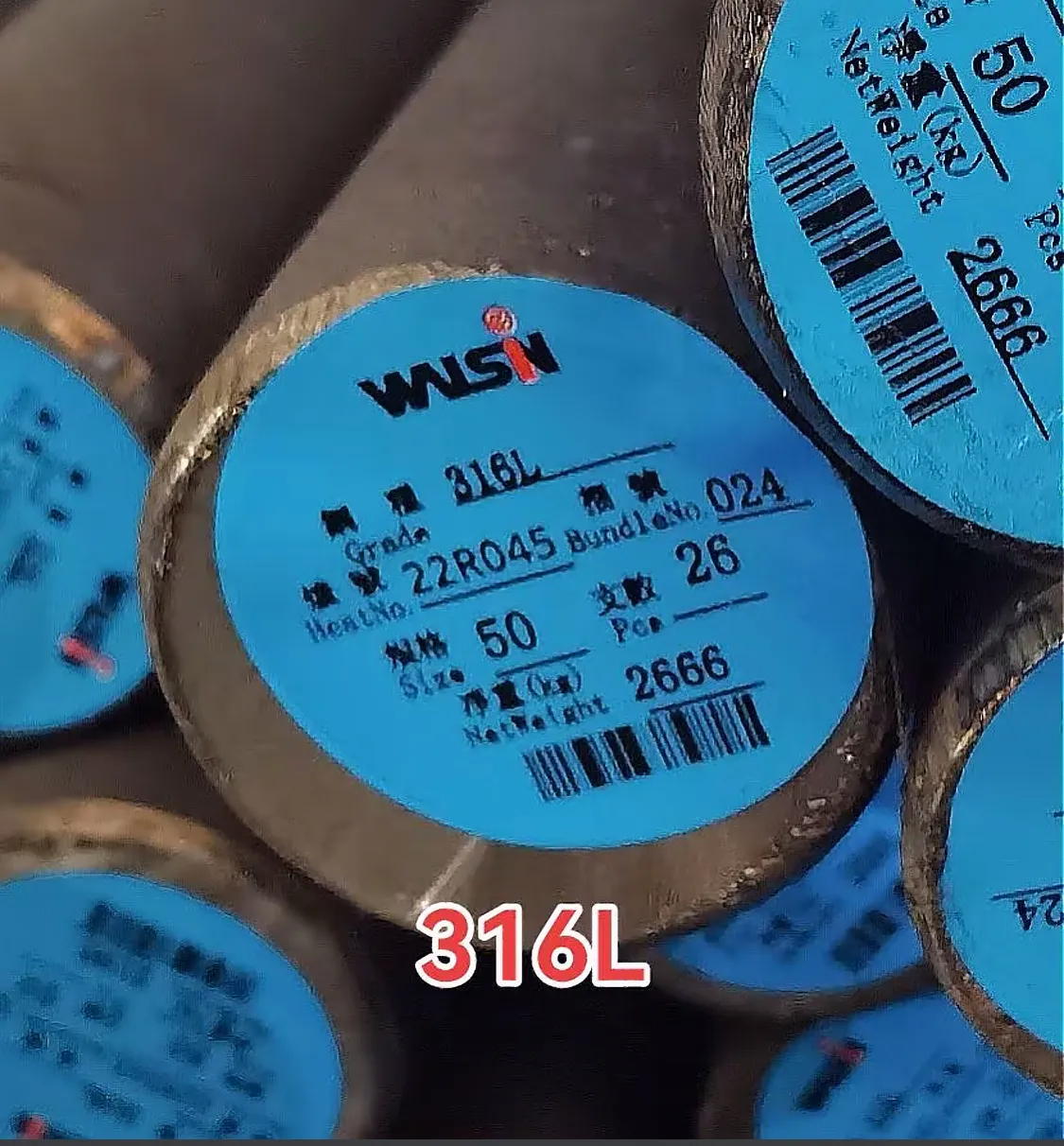
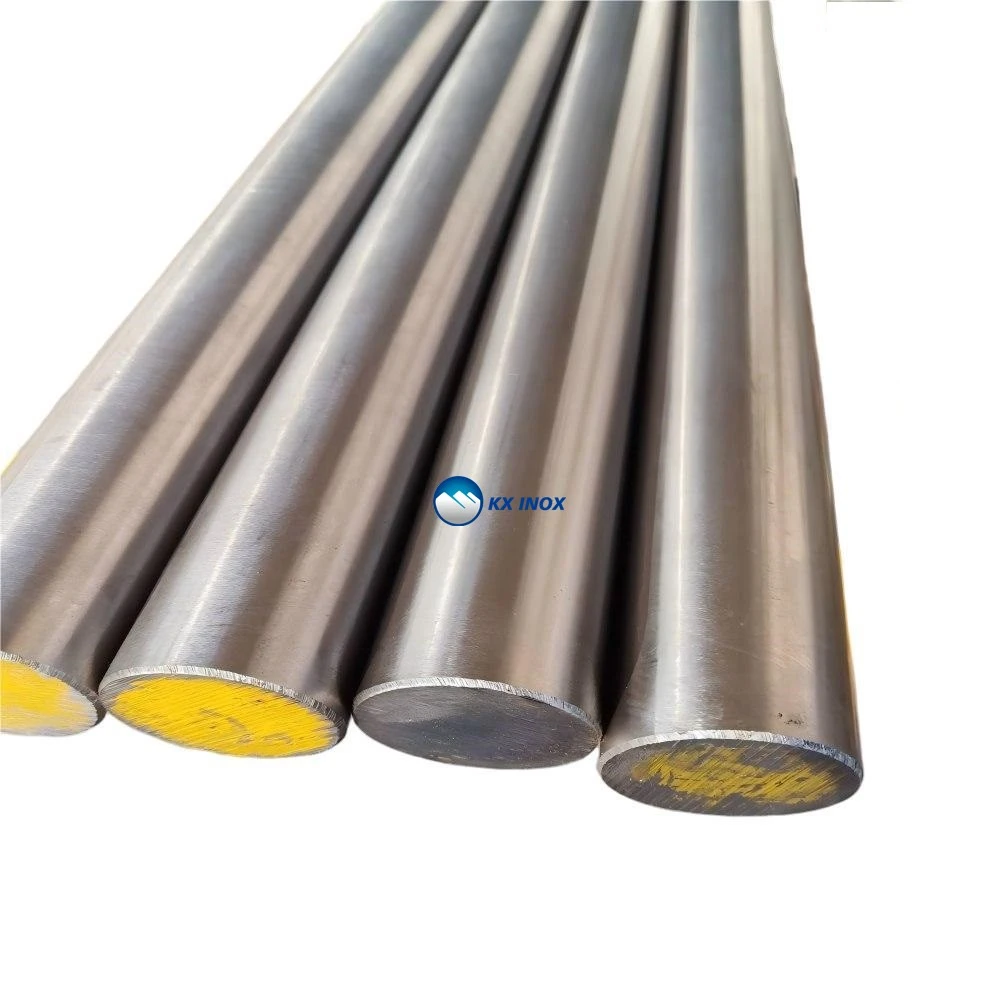
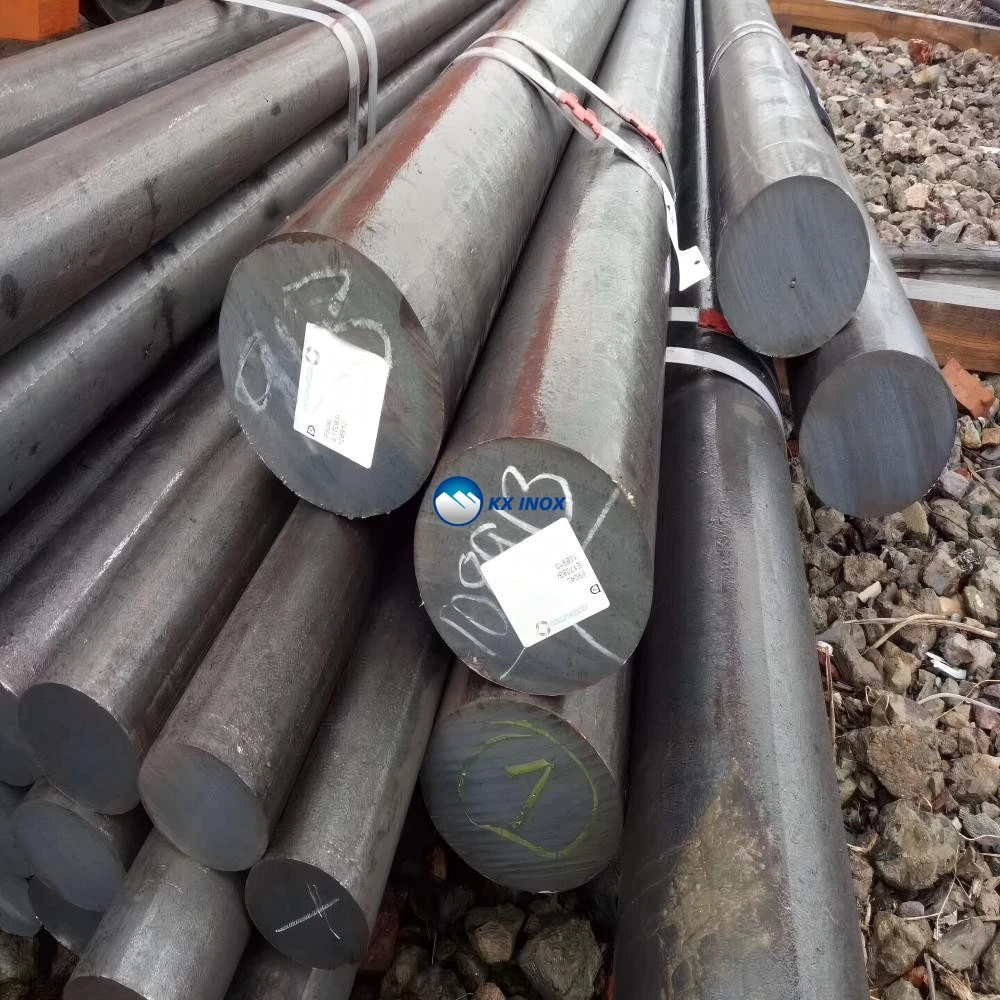
Barras redondas de acero inoxidable 316L apiladas en un almacén
¿Por qué elegir la barra redonda de acero inoxidable 316L?
Elija la barra redonda de acero inoxidable 316L cuando su aplicación requiera una protección contra la corrosión más resistente que la que ofrecen los grados estándar de acero inoxidable, así como una mejor soldabilidad en entornos críticos. La letra “L” indica una versión de bajo contenido de carbono del acero inoxidable 316, lo que ayuda a reducir el riesgo de precipitación de carburos durante la soldadura y favorece un mejor desempeño en ensamblajes fabricados. Para los compradores, eso significa menos concesiones cuando la misma barra redonda de acero inoxidable debe cortarse, soldarse, mecanizarse, pulirse y colocarse en un entorno operativo hostil.
El acero inoxidable 316L es especialmente apreciado en aquellos casos en que la exposición a la humedad, los productos químicos, el aire salino, los productos de limpieza o los fluidos de proceso puede acortar la vida útil de los materiales comunes. No es la opción más económica en cuanto a acero inoxidable, pero puede ser la elección más inteligente cuando el reemplazo, el tiempo de inactividad, el riesgo de contaminación o las fallas relacionadas con la corrosión terminarían costando más a largo plazo.
Diseñado para ofrecer resistencia a la corrosión y un funcionamiento limpio
La principal ventaja de las barras de acero inoxidable 316L es su resistencia a la corrosión en condiciones adversas. Este grado contiene molibdeno, lo que mejora la resistencia a la corrosión por picaduras y en hendiduras, especialmente en ambientes ricos en cloruro. Esto lo convierte en una excelente opción para herrajes marinos, equipos costeros, piezas para el procesamiento químico, sistemas farmacéuticos, maquinaria para el manejo de alimentos y otras aplicaciones en las que tanto la apariencia como el desempeño son importantes.
Una barra redonda de acero inoxidable 316L también es ideal para aplicaciones higiénicas y fáciles de limpiar. Los acabados lisos pueden ayudar a reducir las áreas donde se acumulan residuos, mientras que el material en sí mismo resiste las manchas y la degradación de la superficie mejor que muchas alternativas de aleación más baja. Ya sea que la barra se convierta en un eje, un elemento de sujeción, un componente de válvula, un accesorio, un pasador de soporte o una pieza mecanizada de precisión, esta combinación de limpieza y durabilidad puede constituir una ventaja importante.
Entre las principales ventajas de rendimiento se incluyen:
- Gran resistencia a la corrosión en ambientes húmedos, costeros y expuestos a sustancias químicas
- Mejor soldabilidad en comparación con los grados de acero inoxidable con mayor contenido de carbono
- Buena conformabilidad y maquinabilidad cuando se combinan con las herramientas y los controles de proceso adecuados
- Aspecto atractivo de acero inoxidable para los componentes a la vista y los ensamblajes terminados
- Potencial de larga vida útil en aplicaciones en las que el acero dulce o los grados inferiores puedan corroerse demasiado rápido
- Adecuado para acabados pulidos, torneados, rectificados o mecanizados, según las necesidades del proyecto
Opciones de materiales para diversas necesidades de fabricación
316L Las barras de acero inoxidable suelen elegirse porque pueden pasar por varias etapas de fabricación sin perder su valor práctico. Una barra redonda de acero puede cortarse a la medida, perforarse, roscarse, tornearse, fresarse, soldarse, pulirse o utilizarse como material en bruto para la producción en serie. Esta flexibilidad resulta útil para talleres de subcontratación, compradores de equipos originales (OEM), equipos de mantenimiento y contratistas que necesitan un material que ofrezca un buen desempeño tanto en condiciones de fabricación como de uso final.
Una barra redonda de acero inoxidable también puede ayudar a simplificar el abastecimiento cuando un proyecto incluye múltiples componentes. En lugar de alternar entre varios grados, los equipos pueden especificar el 316L para las piezas que requieran resistencia a la corrosión, facilidad de limpieza y un desempeño constante del acero inoxidable. Esto resulta especialmente útil para los programas de mantenimiento, en los que la estandarización de la selección de materiales puede reducir la confusión y acelerar la reposición de pedidos.
Entre las consideraciones comunes sobre los productos se incluyen:
- Requisitos de diámetro y longitud para el mecanizado, la fabricación o la instalación
- Estado de la superficie, como acabado en caliente, acabado en frío, pulido, torneado o rectificado
- Necesidades de corte a medida para prototipos, reparaciones o lotes de producción
- Expectativas de tolerancia para componentes de precisión
- Requisitos de certificación o trazabilidad para trabajos regulados o en los que la calidad es un factor clave
- El empaque debe proteger la varilla de acero inoxidable durante el almacenamiento y el transporte
Aplicaciones prácticas en sectores exigentes
Las barras de acero inoxidable 316L se utilizan en cualquier aplicación en la que la pieza terminada deba resistir la corrosión y, al mismo tiempo, mantener su resistencia y una superficie limpia. En entornos marinos, pueden usarse para ejes, accesorios, soportes y elementos de sujeción expuestos al aire salino o al agua. En equipos para alimentos y bebidas, pueden convertirse en pasadores, guías, rodillos, soportes o piezas mecanizadas que deben soportar limpiezas repetidas.
En entornos químicos e industriales, el acero 316L puede utilizarse en bombas, válvulas, colectores, piezas de instrumentación y elementos estructurales expuestos a las condiciones del proceso. Para proyectos arquitectónicos o comerciales, la barra redonda de acero inoxidable puede seleccionarse para barandales, soportes decorativos, herrajes o detalles a la vista donde es importante una apariencia limpia. El mismo material puede cumplir funciones tanto funcionales como estéticas, lo que ayuda a reducir la necesidad de recubrimientos o de un mantenimiento frecuente de la superficie.
Entre los casos de uso típicos se incluyen:
- Componentes mecanizados como bujes, ejes, pasadores, espaciadores y accesorios.
- Conjuntos soldados donde el bajo contenido de carbono favorece un mejor desempeño en la zona de soldadura.
- Accesorios náuticos y costeros expuestas a condiciones con alto contenido de cloruro.
- Equipos para la industria alimentaria, farmacéutica y sanitaria que requieren superficies de acero inoxidable limpias.
- Piezas para procesos químicos donde la resistencia a la corrosión es un factor clave a la hora de comprar.
- Detalles arquitectónicos donde tanto la resistencia como el acabado influyen en el resultado final.
Características que influyen en la elección correcta de la compra
No todas las barras redondas de acero inoxidable 316L son adecuadas para todos los trabajos. Antes de solicitar una cotización, es recomendable identificar el diámetro, la longitud, el acabado, la tolerancia, la cantidad y cualquier norma o certificación aplicable que se requiera. Si la barra se va a mecanizar para convertirla en una pieza de tolerancia ajustada, el acabado y la rectitud pueden ser tan importantes como la propia aleación. Si la barra se va a soldar para formar parte de un ensamblaje, la documentación y la trazabilidad del tratamiento térmico pueden ser más importantes que la apariencia.
El precio suele depender del diámetro, la longitud, el acabado, la cantidad, las condiciones del mercado, los requisitos de procesamiento y las necesidades de entrega. Las barras más grandes, las tolerancias más estrictas, los acabados especiales y los servicios de corte a medida pueden afectar el costo final. Para obtener un precio más preciso, solicita una cotización con todos los detalles del proyecto en lugar de basarte en un precio genérico por barra.
Al realizar el pedido, tenga a la mano la siguiente información:
- Grado requerido, como el acero inoxidable 316L
- Formas de productos, como barras redondas de acero o varillas de acero inoxidable
- Diámetro, longitud y cantidad
- Acabado o estado de la superficie
- Requisitos de corte a medida o de procesamiento
- Tolerancias requeridas, si corresponde
- Requisitos de certificación, informes de pruebas o trazabilidad
- Lugar de entrega y plazo preferido
Una mejor experiencia de compra empieza por unos requisitos claros
Un proveedor competente de barras redondas de acero inoxidable 316L debe hacer más que simplemente recibir un pedido. El proveedor debe ayudarle a confirmar que la barra redonda de acero inoxidable seleccionada se ajuste al uso previsto, al método de procesamiento y a sus expectativas en materia de documentación. Una comunicación clara en la etapa de cotización puede evitar problemas como pedir un acabado incorrecto, elegir una tolerancia inadecuada u pasar por alto los requisitos de certificación.
Si va a reemplazar una pieza defectuosa, indique las dimensiones originales, el entorno de operación y cualquier causa conocida de desgaste o corrosión. Si está diseñando un nuevo componente, explique cómo se mecanizará, soldará, limpiará o a qué condiciones estará expuesta la barra durante su uso. Esos detalles ayudan a adaptar el material y el formato de suministro a las exigencias reales del proyecto.
Solicita una cotización para barras de acero inoxidable 316L
Para los compradores que necesitan resistencia a la corrosión, soldabilidad y un desempeño confiable del acero inoxidable, las barras de acero inoxidable 316L son una excelente opción. Son aptas para aplicaciones exigentes en los sectores industrial, marítimo, sanitario, arquitectónico y de fabricación, al tiempo que ofrecen la versatilidad que se espera de las barras redondas de acero inoxidable.
Envíenos las especificaciones de tamaño, cantidad, acabado, requisitos de certificación y lugar de entrega para solicitar información sobre la disponibilidad y los precios actuales. Una solicitud de cotización clara nos ayuda a seleccionar la barra redonda de acero inoxidable 316L más adecuada para su proyecto, reduce los retrasos en el abastecimiento y brinda confianza a su equipo antes de comenzar con el corte, el mecanizado o la instalación.
 English
 Afrikaans
 Arabic
 Bengali
 Catalan
 Chinese
 French
 Dutch (Belgium)
 Dutch
Dutch German
 Czech
Czech Greek
Greek Hindi
Hindi Japanese
 Italian
 Portuguese
 Spanish (Chile)
 Spanish (Colombia)
 Spanish (Argentina)
 Persian
 Estonian
 Albanian
 Russian
 Spanish (Peru)
 Indonesian
 Thai
Thai Vietnamese
 Georgian
 Korean
 Nepali
 Polish
 Ukrainian
 Malayalam
 Xhosa
Xhosa