 Wenzhou Kaixin Kaixin Metal Co., Ltd.

Benefits of High Heat Insulation Materials
High heat insulation materials help protect people, equipment, and buildings from extreme temperatures while supporting more stable operations. Whether used in industrial facilities, mechanical systems, workshops, or specialty construction, the right thermal insulation can improve temperature control, reduce heat loss, and support long-term energy saving goals.
What makes high heat insulation worth using?
High heat insulation is worth using because it creates a reliable barrier between intense heat and the areas, components, or people that need protection. Instead of allowing heat to escape, spread, or damage nearby surfaces, these materials help keep thermal energy where it belongs. That can make systems safer, more efficient, and easier to manage.
In practical terms, high heat insulation materials are often chosen for environments where standard insulation cannot perform well. Furnaces, boilers, ovens, exhaust systems, kilns, pipework, and manufacturing equipment may all require insulation solutions designed for elevated temperatures. When selected correctly, they help reduce thermal stress, limit surface temperatures, and support consistent performance.
Stronger temperature control in demanding environments
Temperature control is one of the most important benefits of using high-temperature insulation. In many settings, even small fluctuations can affect product quality, process reliability, or equipment performance. By slowing heat transfer, insulation helps maintain more predictable temperatures inside the system.
This matters in both industrial and commercial applications. A heated process may need to stay within a specific range, while nearby spaces may need protection from radiant or conductive heat. Quality thermal insulation helps create that separation, making it easier to manage comfort, safety, and process conditions at the same time.
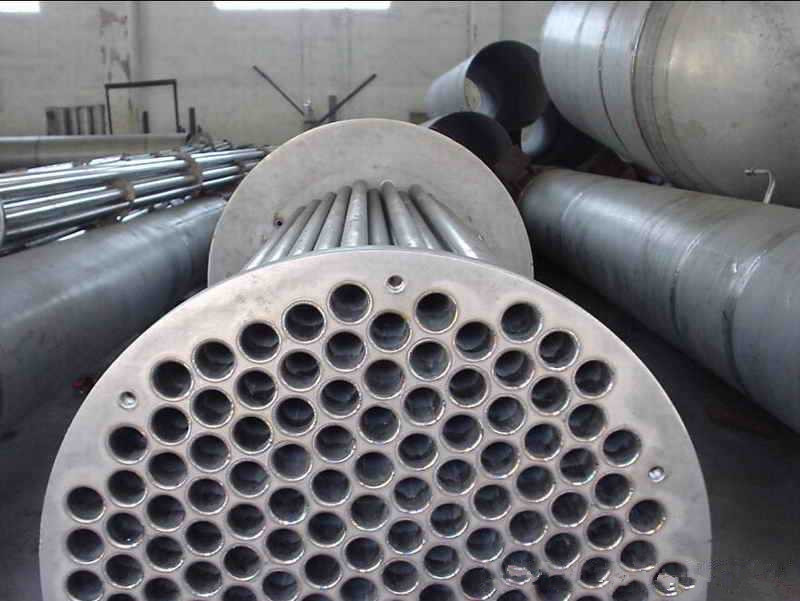
High heat insulation installed around industrial piping
Energy efficiency and lower heat loss
When heat escapes from equipment, pipes, ducts, or enclosures, more energy is usually needed to replace it. High heat insulation helps reduce that loss, which can support better energy efficiency over time. The result is not just energy saving potential, but also less strain on heating systems and process equipment.
The benefit becomes especially noticeable in systems that run for long hours or at consistently high temperatures. Insulated surfaces retain heat more effectively, helping operations use energy more intentionally. While actual savings depend on the application, insulation condition, and operating environment, reducing unnecessary heat loss is a practical step toward better performance.
Better heat protection for people and equipment
Heat protection is about more than keeping temperatures stable. It also helps reduce exposure risks for workers, nearby materials, wiring, structural elements, and sensitive components. Surfaces that become extremely hot can create hazards, shorten equipment life, or affect surrounding systems.
Common protective benefits include:
- Lower external surface temperatures around hot equipment
- Reduced risk of heat-related damage to nearby components
- Improved comfort in areas close to high-temperature systems
- Added protection for surrounding walls, panels, and structures
- Better separation between hot zones and occupied areas
These benefits make insulation an important part of a broader safety and maintenance strategy. It should still be paired with proper system design, inspections, protective guarding, and safe work practices.
Choosing practical insulation solutions
The best insulation solutions depend on the temperature range, space available, exposure conditions, and installation requirements. Some materials are designed for flexibility around pipes or irregular shapes, while others are better suited for panels, linings, blankets, or rigid barriers.
Before choosing a product, consider:
- The maximum and continuous operating temperature
- Whether the insulation will face moisture, chemicals, vibration, or abrasion
- The available installation space and required thickness
- Whether the system needs removable access for maintenance
- The level of heat protection required for nearby people or materials
Selecting the right material from the start helps avoid premature wear, poor performance, and unnecessary replacement costs.
A practical investment in performance and safety
High heat insulation materials offer a clear combination of benefits: improved temperature control, stronger heat protection, better energy efficiency, and more dependable system performance. For facilities and applications exposed to elevated temperatures, the right insulation is not just a finishing detail. It is a practical investment in safer, more efficient, and more controlled operations.
 English
 Afrikaans
 Arabic
 Bengali
 Catalan
 Chinese
 French
 Dutch (Belgium)
 Dutch
Dutch German
 Czech
Czech Greek
Greek Hindi
Hindi Japanese
 Italian
 Portuguese
 Spanish (Chile)
 Spanish (Colombia)
 Spanish (Argentina)
 Persian
 Estonian
 Albanian
 Russian
 Spanish (Peru)
 Indonesian
 Thai
Thai Vietnamese
 Georgian
 Korean
 Nepali
 Polish
 Ukrainian
 Malayalam
 Xhosa
Xhosa