 Wenzhou Kaixin Kaixin Metal Co.,LTD

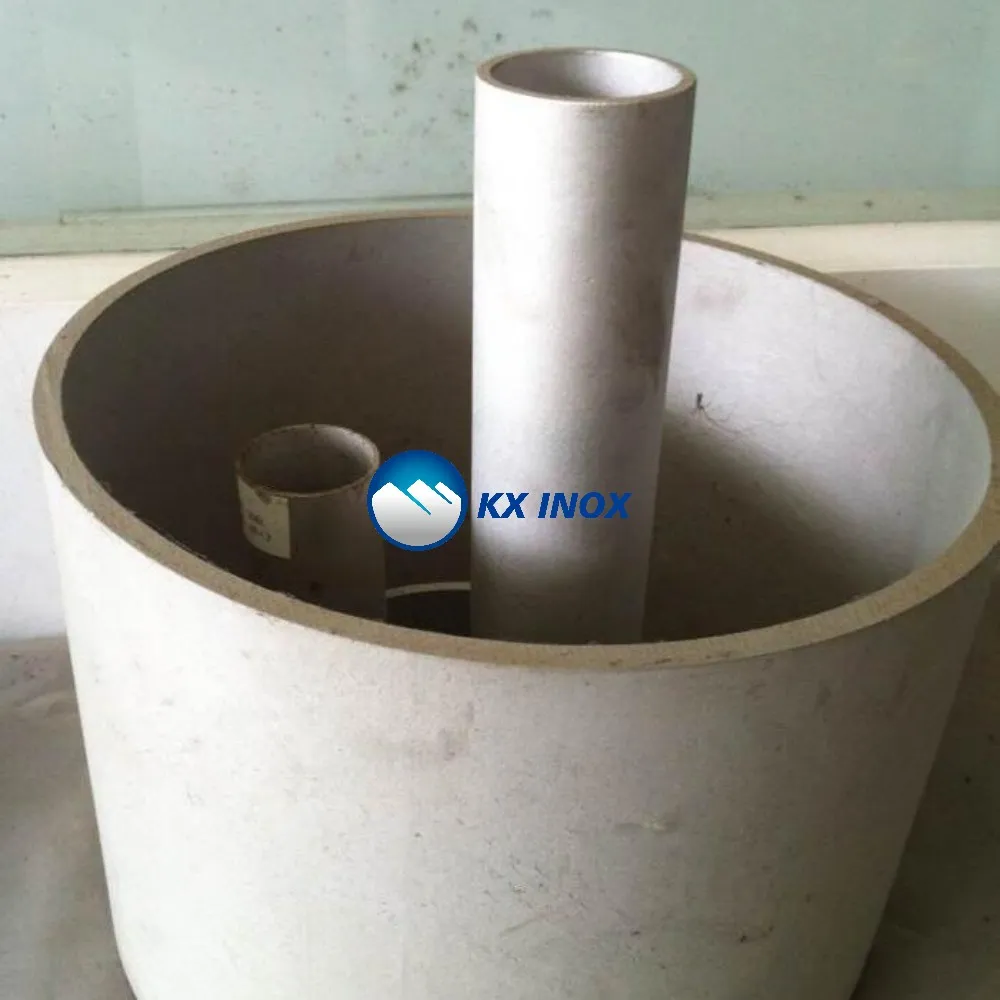
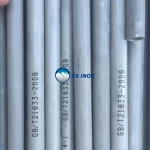
ASTM A511 TP304 – Spezifikation für nahtlose Edelstahlrohre
Das nahtlose Edelstahlrohr ASTM A511 TP304 ist ein unverzichtbarer Bestandteil in vielen Branchen. Es ist bekannt für seine Festigkeit und Korrosionsbeständigkeit und daher die bevorzugte Wahl für anspruchsvolle Einsatzbedingungen.
Dieses Rohr wird ohne Schweißnaht gefertigt, wodurch eine gleichmäßige Festigkeit und Struktur gewährleistet wird. Durch seine nahtlose Bauweise weist es im Vergleich zu geschweißten Rohren eine höhere Druckfestigkeit auf.
Die Sorte TP304 gehört zur 300er-Serie, die für ihre austenitische Struktur bekannt ist. Dadurch eignet sie sich ideal für den Einsatz unter hohen Temperaturen und in korrosiven Umgebungen.
Ingenieure und Fachleute aus der Baubranche entscheiden sich häufig für diese Rohre aufgrund ihrer Langlebigkeit und Zuverlässigkeit. Sie kommen in der petrochemischen Industrie, der Öl- und Gasindustrie sowie in der Lebensmittelindustrie zum Einsatz.
Die chemische Zusammensetzung umfasst Chrom und Nickel, was die Korrosionsbeständigkeit erhöht. Dadurch eignet es sich sowohl für den Einsatz im Innen- als auch im Außenbereich.
ASTM A511 TP304-Rohre entsprechen internationalen Qualitäts- und Leistungsstandards. Durch ihre nahtlose Bauweise wird das Risiko von Leckagen und Ausfällen verringert.
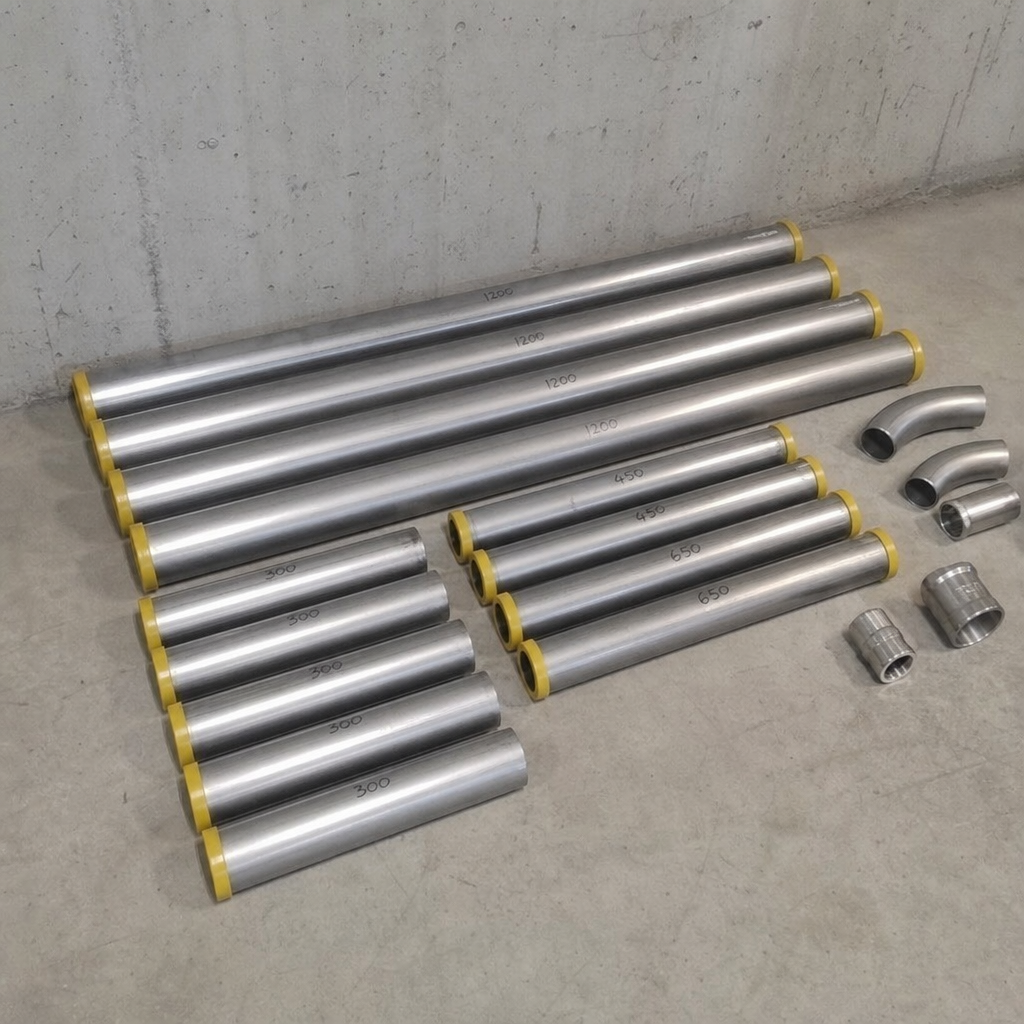
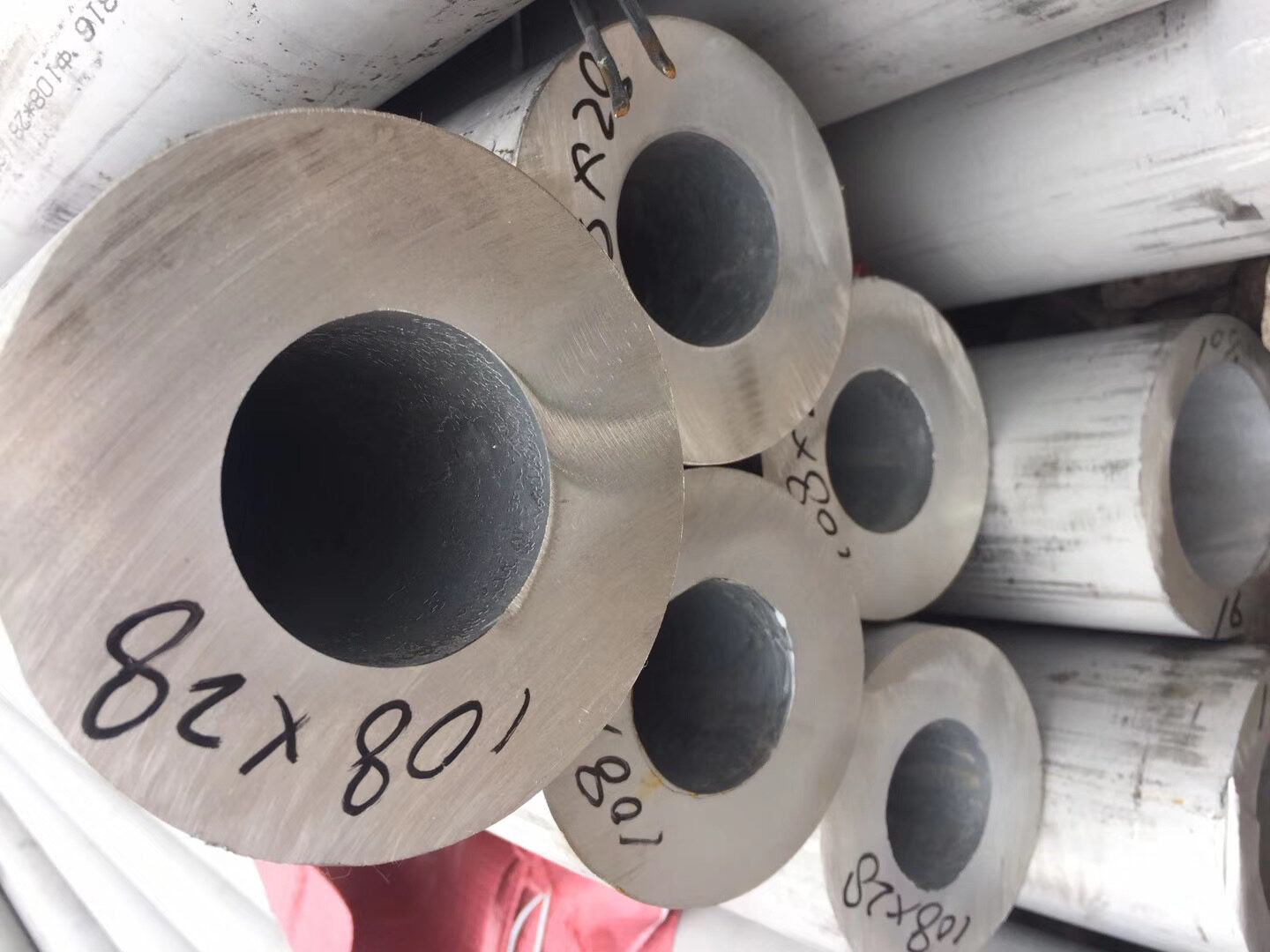
Diese Rohre sind in verschiedenen Größen und Wandstärken erhältlich und eignen sich somit für unterschiedliche Anwendungsbereiche. Sie zeichnen sich durch eine lange Lebensdauer bei minimalem Wartungsaufwand aus und sind daher eine kostengünstige Wahl.
Übersicht über nahtlose Edelstahlrohre nach ASTM A511 TP304
Das nahtlose Edelstahlrohr ASTM A511 TP304 ist in vielen Branchen unverzichtbar und zeichnet sich durch unübertroffene Festigkeit und Langlebigkeit aus.
Die Konstruktion ohne Schweißnähte gewährleistet eine höhere strukturelle Integrität.
Dieser Rohrtyp eignet sich für verschiedene Anwendungsbereiche, in denen hohe Druckfestigkeit und Korrosionsbeständigkeit erforderlich sind.
Die nahtlose Konstruktion verringert das Ausfallrisiko unter Druck.
Der Edelstahl TP304, der zur 300er-Serie gehört, ist wegen seiner austenitischen Eigenschaften und seiner hervorragenden Leistungsfähigkeit sehr beliebt.
Es zeigt in Umgebungen mit hohen Temperaturen eine gute Leistung und behält dabei seine strukturellen Eigenschaften bei.
Das Rohr wird häufig in Branchen wie der Petrochemie, der Öl- und Gasindustrie sowie der Lebensmittelverarbeitung eingesetzt. Dank seiner Beständigkeit gegen Säuren und Laugen ist es vielseitig einsetzbar.
Zu den wichtigsten Eigenschaften von nahtlosen Rohren aus Edelstahl nach ASTM A511 TP304 gehören:
- Hervorragende Beständigkeit gegen Oxidation bei hohen Temperaturen
- Hohe mechanische Eigenschaften, darunter Zugfestigkeit und Streckgrenze
- Gleichmäßige Wandstärke dank nahtloser Bauweise
- Große Auswahl an Größen und Stärken für unterschiedliche Anforderungen
Diese Rohre erfüllen nicht nur industrielle Anforderungen, sondern dienen auch spezifischen Bedürfnissen im medizinischen Bereich und in der Gastronomie.
Dank seiner Vielseitigkeit und Zuverlässigkeit ist es in zahlreichen Anwendungsbereichen sehr gefragt.
Die Norm ASTM A511 verstehen
Die Norm ASTM A511 enthält Richtlinien für nahtlose Edelstahlrohre, die in verschiedenen Anwendungsbereichen zum Einsatz kommen.
Darin werden die erforderlichen mechanischen und chemischen Eigenschaften dieser Rohre beschrieben, wodurch eine gleichbleibende Qualität und Leistungsfähigkeit gewährleistet wird.
Diese Spezifikation konzentriert sich in erster Linie auf nahtlose Rohre, die für ihre robuste Bauweise bekannt sind.
Da diese Rohre nahtlos sind, minimieren sie potenzielle Schwachstellen, die durch Schweißnähte entstehen können. Dies erhöht ihre Zuverlässigkeit, insbesondere in Hochdruckumgebungen.
Die Norm legt Parameter wie Größe, Dicke und Herstellungsverfahren fest.
Dadurch wird sichergestellt, dass die Rohre den strengen Anforderungen der Branche genügen und auch unter schwierigen Bedingungen widerstandsfähig bleiben.
Zu den in der Norm ASTM A511 vorgeschriebenen wesentlichen Merkmalen gehören:
- Anforderungen an die chemische Zusammensetzung
- Kriterien für mechanische Eigenschaften, wie Zugfestigkeit und Streckgrenze
- Maßtoleranzen für eine präzise Passung
- Temperatur- und Druckbeständigkeit
Die Norm ASTM A511 legt zudem besonderen Wert auf Qualitätskontrollmaßnahmen und Prüfverfahren. Diese Verfahren stellen sicher, dass jedes Rohr auf Mängel oder Unregelmäßigkeiten überprüft wird.
Das Verständnis dieser Norm ist für Ingenieure und Beschaffungsfachleute, die Materialien für ihre Projekte auswählen, von entscheidender Bedeutung.
Die Richtlinien helfen bei der Auswahl des richtigen Rohrs für bestimmte Betriebsumgebungen.
Zusammenfassend lässt sich sagen, dass die Norm ASTM A511 einen umfassenden Rahmen zur Gewährleistung der Qualität und Leistungsfähigkeit von nahtlosen Rohren aus rostfreiem Stahl bietet.
Durch die Einhaltung dieser Vorgaben können die Branchen hohe Standards aufrechterhalten und die Betriebssicherheit gewährleisten.
Edelstahl TP304: Zusammensetzung und Eigenschaften
Der Edelstahl TP304 wird wegen seiner hervorragenden Eigenschaften hoch geschätzt. Er gehört zur 300er-Serie, die für ihre austenitische Struktur bekannt ist.
Diese Struktur verleiht dem Werkstoff eine hervorragende Korrosionsbeständigkeit und Langlebigkeit.
Die Zusammensetzung von TP304 umfasst Elemente wie Chrom und Nickel. Diese Elemente verbessern die Beständigkeit des Stahls gegen verschiedene Arten von Korrosion.
Dadurch eignet es sich ideal für den Einsatz in rauen Umgebungen.
Eigenschaften wie hohe Zugfestigkeit und hervorragende Duktilität machen TP304 zu einer beliebten Wahl. Es behält seine strukturelle Integrität auch unter extremen Bedingungen bei.
Die Oxidationsbeständigkeit und die hohe Temperaturbeständigkeit des Rohrs sind weitere wesentliche Vorteile. Dadurch eignet es sich hervorragend für thermische Anwendungen.
Es lässt sich leicht schweißen und verarbeiten, was die Komplexität von Projekten verringert. Diese Eigenschaften tragen zu seiner Beliebtheit in industriellen Anwendungen bei.
Zu den wichtigsten Eigenschaften des Edelstahls TP304 gehören:
- Hohe Korrosionsbeständigkeit
- Gute Schweißbarkeit und Formbarkeit
- Temperatur- und Druckbeständigkeit
- Im geglühten Zustand nichtmagnetisch
Die Kombination dieser Eigenschaften macht TP304 äußerst vielseitig einsetzbar. Es findet Anwendung in verschiedenen Branchen, von der Lebensmittelverarbeitung bis hin zur Petrochemie.
Seine Robustheit und Zuverlässigkeit garantieren eine lang anhaltende Leistungsfähigkeit.
Chemische Zusammensetzung von TP304
Die chemische Zusammensetzung von TP304 spielt eine entscheidende Rolle für dessen Leistungsfähigkeit.
Chrom und Nickel sind die Hauptelemente, die dieser Legierung ihre charakteristischen Eigenschaften verleihen.
In der Regel enthält TP304 etwa 18% Chrom und 8% Nickel. Diese Elemente verbessern die Korrosionsbeständigkeit und erhöhen die Oxidationsbeständigkeit.
Zu den Hauptbestandteilen des Edelstahls TP304 gehören:
- Chrom: 18–20%
- Nickel: 8–10,51 TP3T
- Kohlenstoff: Bis zu 0,08%
- Mangan: bis zu 2%
- Silizium: Bis zu 1%
Zusätzliche Elemente wie Kohlenstoff und Mangan verbessern seine mechanischen Eigenschaften.
Der niedrige Kohlenstoffgehalt trägt dazu bei, die Ausscheidung von Karbiden zu verhindern.
Die sorgfältige Ausgewogenheit der Bestandteile gewährleistet die Leistungsfähigkeit der Legierung in verschiedenen Umgebungen.
Dank seiner chemischen Beständigkeit eignet es sich für zahlreiche Anwendungsbereiche und gewährleistet Sicherheit und Langlebigkeit.
Mechanische Eigenschaften von TP304
TP304 ist für seine robusten mechanischen Eigenschaften bekannt. Dank seiner Festigkeit und Flexibilität eignet es sich für anspruchsvolle Anwendungen in verschiedenen Branchen.
Es weist eine hohe Zug- und Streckgrenze auf, was für die strukturelle Integrität entscheidend ist. Dadurch wird sichergestellt, dass das Rohr erheblichen Belastungen standhalten kann, ohne sich zu verformen.
Zu den herausragenden mechanischen Eigenschaften von TP304 zählen:
- Zugfestigkeit: ca. 515 MPa
- Streckgrenze: ca. 205 MPa
- Dehnung: ca. 35% bei 50 mm
Die Duktilität ist ein weiteres wichtiges Merkmal, das ein einfaches Biegen und Formen ermöglicht. Diese Eigenschaft sorgt für vielseitige Einsatzmöglichkeiten in Fertigungsprozessen.
Durch die Kombination aus Zugfestigkeit und Duktilität eignet sich TP304 ideal für dynamische Anwendungen.
Dank ihrer mechanischen Belastbarkeit eignet sie sich sowohl für Hoch- als auch für Niederdruckanwendungen und gewährleistet dabei Zuverlässigkeit und Effizienz.
Herstellungsverfahren für nahtlose Rohre
Die Herstellung nahtloser Rohre ist mit komplexen Verfahren verbunden. Im Gegensatz zu geschweißten Rohren weisen nahtlose Rohre keine Naht oder Schweißverbindung auf.
This absence of a weld enhances their strength and durability.
The process starts with a solid round billet of steel. This billet is heated and pierced through the center to form a hollow tube.
Rotary piercing is often used to create this hollow section.
Once hollow, further processes shape the pipe to the desired dimensions. The pipe can be elongated using extrusion, pushing the metal through a die.
After reaching the necessary thickness and size, the pipe undergoes a finishing process.
This can involve heat treatment or surface cleaning. These steps ensure the final product meets stringent quality standards.
Key steps in seamless pipe manufacturing include:
- Billet heating and piercing
- Rotary piercing or extrusion
- Size and wall thickness adjustment
- Heat treatment or surface finishing
The seamless manufacturing method produces a pipe with uniform properties throughout. It offers reliability for applications involving high pressure or thermal stress.
The consistent structure of seamless pipes also provides a high resistance to corrosion.
Warmgefertigte vs. kaltgefertigte nahtlose Rohre
Seamless pipes can be produced using hot or cold finishing methods. Each method gives the pipe distinct characteristics.
Hot finished seamless pipes are produced at elevated temperatures. This gives them excellent ductility, making them easier to shape.
They are suitable for applications where the appearance is not critical.
Cold finished pipes involve a more refined process. Cold finishing enhances dimensional accuracy and surface finish.
These pipes are ideal for precision applications requiring tight tolerances.
Differences between hot finished and cold finished pipes include:
- Hot finished: More ductility, less precise dimensions
- Cold finished: Higher precision, better surface finish
The choice between hot and cold finished pipes depends on the specific application requirements.
Cold finished pipes are often used when aesthetics and precision are vital. Hot finished ones are preferred for general-purpose uses.
Maßangaben und Toleranzen
ASTM A511 TP304 stainless steel seamless pipes are available in various dimensions to suit different industrial needs.
Ensuring precise dimensions is vital for seamless pipe applications. The specifications dictate the diameter, wall thickness, and length.
The outer diameter of these pipes ranges from small bore pipes to large diameter ones. Wall thickness varies, allowing flexibility for various pressure requirements.
These specifications ensure compatibility with diverse uses from small fittings to large infrastructure projects.
Dimensional tolerances are critical in maintaining quality. They ensure the pipes fit specific application needs precisely, minimizing installation issues.
Tolerance specifications cover allowable deviations in diameter and thickness.
Manufacturers adhere to strict tolerance standards to ensure consistency. High precision in measurements leads to fewer operational issues post-installation. This consistency is fundamental in projects where accuracy is essential.
Dimensional and tolerance features include:
- Range of diameters and wall thicknesses
- Specific length measurements
- Consistent adherence to manufacturing standards
Größenbereich und Wandstärke
The size range of seamless pipes covers many uses. They fit everything from high-pressure systems to lower-pressure environments.
Specific projects might require custom sizes for unique needs.
Wall thickness plays a vital role in a pipe’s strength and pressure-handling capability. Options vary from thin-walled pipes to thicker variants.
Choosing the right wall thickness is essential for safety and functionality.
Common size and wall thickness features include:
- Wide size range for various applications
- Different wall thicknesses for distinct pressure needs
Geradheit und Oberflächengüte
Straightness in seamless pipes ensures proper alignment during installation. Pipes must meet straightness criteria to prevent joint issues.
A slight deviation can impact performance in sensitive applications.
The surface finish is equally crucial. A smooth finish reduces friction within the pipe and supports efficient fluid flow.
It also enhances the aesthetic appeal when the pipes are visible, such as in decorative structures.
Important factors regarding straightness and finish include:
- Ensuring pipe straightness for seamless installation
- Smooth surface finish for optimal fluid dynamics and appearance
Wichtigste Merkmale und Vorteile von nahtlosen Rohren nach ASTM A511 TP304
The ASTM A511 TP304 stainless steel seamless pipe combines several superior features, making it ideal for various applications.
Its seamless construction ensures uniformity and strength throughout. This consistency minimizes the potential for weaknesses or leaks.
Corrosion resistance is another significant benefit. TP304 stainless steel includes chromium and nickel, enhancing its ability to withstand harsh environments.
This makes the pipes durable even when exposed to corrosive chemicals or saline conditions.
The thermal and mechanical stability of these pipes is remarkable. They can handle high temperatures without losing structural integrity.
This quality is essential in industries such as petrochemical where extreme conditions are the norm.
Moreover, the pipes offer great versatility. They are available in numerous sizes and finishes to meet specific project requirements.
This adaptability supports both industrial applications and aesthetic installations.
Key features and benefits include:
- Consistent strength and uniformity
- High corrosion and temperature resistance
- Versatility in size and application
- Durability in harsh environments
- Reduced risk of leaks and failures
These attributes make ASTM A511 TP304 seamless pipes a preferred choice for engineers seeking reliability and efficiency in challenging applications.
Anwendungsbereiche von nahtlosen Rohren aus Edelstahl nach ASTM A511 TP304
ASTM A511 TP304 stainless steel seamless pipes are highly versatile. Their reliability and resistance to corrosion make them ideal for a wide range of industries.
These pipes perform admirably in environments where high temperatures or corrosive substances are prevalent.
In the petrochemical sector, TP304 seamless pipes are employed extensively. They safely transport aggressive fluids and gases.
Their resistance to harsh chemicals and high temperatures ensures safe and efficient operations.
The food and beverage industry also benefits from these seamless pipes. The non-reactive nature and ease of cleaning make TP304 pipes suitable for transporting consumable liquids. Their use is critical in maintaining hygiene and product quality.
Moreover, in architectural settings, these pipes are appreciated not only for functionality but also for their aesthetic value.
Their sleek appearance complements modern design requirements, making them useful in decorative structures.
Notable applications of ASTM A511 TP304 seamless pipes include:
- Petrochemical and oil refineries
- Food and beverage processing
- Architectural and decorative elements
- Pharmaceutical and medical equipment manufacturing
- Chemische Verarbeitungsbetriebe
Overall, the impressive properties of ASTM A511 TP304 make these seamless pipes a valuable asset in various demanding applications.
Their extensive use across industries highlights their importance in modern engineering and design projects.
Vergleich: Nahtlose vs. geschweißte Edelstahlrohre
When choosing between seamless and welded pipes, understanding their differences is crucial. Seamless pipes are manufactured without a seam, providing uniform strength and reliable performance.
This makes them ideal for high-pressure applications.
On the other hand, welded stainless steel pipes are produced by welding a seam along the pipe’s length.
While they are often more cost-effective, their structural integrity may be compromised in high-pressure scenarios.
Seamless pipes boast several advantages over welded pipes:
- Consistent wall thickness
- Superior pressure handling
- Reduced risk of leaks and failures
- Verbesserte Korrosionsbeständigkeit
Despite these benefits, welded pipes are widely used where cost efficiency is prioritized over extreme performance needs.
\They suit applications where the operational conditions are more forgiving.
In summary, both seamless and welded pipes have unique attributes. Selection should depend on the specific requirements of your project, considering factors like pressure, temperature, and budget.
Understanding these differences helps ensure the right choice for your piping applications, balancing cost and performance effectively.
Korrosionsbeständigkeit und Langlebigkeit
TP304 stainless steel is renowned for its exceptional corrosion resistance. The alloy’s unique composition includes chromium and nickel,
which form a protective oxide layer. This layer shields the pipe from rusting and corrosion, even in harsh conditions.
One of the critical advantages of this protective layer is its self-healing property. If damaged, it can regenerate in the presence of oxygen, ensuring long-term protection. This feature significantly extends the service life of ASTM A511 TP304 stainless steel seamless pipes.
The durability of these pipes is also noteworthy. Their robust structure withstands both mechanical stress and chemical exposure.
This makes them suitable for diverse applications from food processing to chemical plants. Their ability to maintain integrity under severe conditions is invaluable.
Key attributes of TP304 stainless steel seamless pipes include:
- Resistance to pitting and crevice corrosion
- Performance in high temperatures and pressures
- Low maintenance due to inherent durability
These characteristics make TP304 a top choice for projects demanding reliability and longevity in stainless steel piping systems.
Einhaltung von Vorschriften, Zertifizierungen und Qualitätssicherung
ASTM A511 TP304 stainless steel seamless pipes comply with stringent industry standards. They meet both national and international specifications, ensuring top-tier quality. These pipes adhere to ASTM and ASME standards, guaranteeing reliable performance.
Certification processes play a crucial role in their acceptance. Manufacturers provide material test certificates, which document compliance with chemical and mechanical properties.
These certifications offer peace of mind for procurement specialists and engineers alike.
Quality assurance involves multiple tests and inspections. Ensuring the pipes meet desired tolerances and specifications is critical for end-users.
This rigorous oversight ensures durability and integrity in all applications.
Key compliance and certification aspects include:
- Adherence to ASTM and ASME standards
- Issuance of detailed material test certificates
- Thorough quality testing and inspection procedures
These measures ensure that ASTM A511 TP304 stainless steel seamless pipes consistently deliver superior performance and reliability.
Richtlinien für Installation, Handhabung und Wartung
Installing ASTM A511 TP304 stainless steel seamless pipes requires careful planning. Ensure pipes are compatible with existing systems.
Proper alignment and support prevent stress and potential failures.
Handling these pipes involves caution to avoid damage. Use appropriate tools and equipment for transport and installation.
Avoid impacts or rough handling that may affect the pipe’s integrity.
Regular maintenance extends the lifespan of stainless steel pipes. Inspections should check for signs of wear or corrosion.
Timely cleaning and repair can prevent costly issues.
Key points for installation and maintenance include:
- Ensure precise alignment and support during installation
- Use suitable tools to handle pipes
- Conduct routine inspections and maintenance
Following these guidelines ensures the longevity and performance of your seamless pipe systems.
Häufig gestellte Fragen (FAQ)
Was ist ein nahtloses Rohr aus Edelstahl nach ASTM A511 TP304?
ASTM A511 TP304 stainless steel seamless pipe is a high-quality pipe. It is made from TP304 grade stainless steel.
The pipe is known for its seamless design and corrosion resistance.
Wo wird das nahtlose Rohr TP304 üblicherweise eingesetzt?
These pipes are used in various industries. Common applications include oil and gas, food processing, and petrochemical industries.
They are also popular in marine environments due to their durability.
Welche Vorteile bieten nahtlose Rohre gegenüber geschweißten Rohren?
Seamless pipes offer uniform strength and no weld seam. They have better pressure ratings and less risk of leaks.
Wie schützt TP304 wirksam vor Korrosion?
TP304’s chemical composition includes chromium and nickel. These elements enhance its resistance to corrosion and oxidation.
Sind nahtlose Rohre aus TP304-Edelstahl hochtemperaturbeständig?
Yes, TP304 pipes are suitable for high-temperature environments. They maintain strength and resist scaling at elevated temperatures.
Wie lässt sich die Qualität von Rohren nach ASTM A511 TP304 sicherstellen?
Check for certifications and compliance with industry standards. Ensure pipes meet specified mechanical and chemical properties.
Fazit und wichtigste Erkenntnisse
The ASTM A511 TP304 stainless steel seamless pipe is an industry standard. Its impressive properties make it a favorite in many sectors.
The seamless design and material quality set it apart.
TP304 stainless steel pipes are synonymous with durability and performance.
Their corrosion resistance is unmatched. This adaptability suits them to a wide range of applications.
Das Wichtigste auf einen Blick:
- ASTM A511 TP304 pipes are widely used in high-pressure systems.
- Their seamless design reduces the risk of leaks and contaminants.
- The pipes maintain structural integrity at both high and low temperatures.
In summary, the TP304 seamless pipe is a robust choice. It’s essential for industries needing reliability and strength.
With sound maintenance, it ensures longevity and efficiency.



 English
 Afrikaans
 Arabic
 Bengali
 Catalan
 Chinese
 French
 Dutch (Belgium)
 Dutch
Dutch German
 Czech
Czech Greek
Greek Hindi
Hindi Japanese
 Italian
 Portuguese
 Spanish (Chile)
 Spanish (Colombia)
 Spanish (Argentina)
 Persian
 Estonian
 Albanian
 Russian
 Spanish (Peru)
 Indonesian
 Thai
Thai Vietnamese
 Georgian
 Korean
 Nepali
 Polish
 Ukrainian
 Malayalam
 Xhosa
Xhosa