 温州凯信金属有限公司

如何选择合适的无缝钢管
A seamless steel tube is often chosen when strength, consistency, and dependable flow or pressure performance matter. Because it is made without a welded seam, it can offer reliable performance in demanding applications, but the right choice still depends on material grade, size, finish, manufacturing method, and how the tube will connect with surrounding components. This guide walks through the practical factors buyers, engineers, and procurement teams should review before placing an order.
What makes a seamless steel tube the right choice?
A seamless steel tube is the right choice when the application requires uniform structure, reliable dimensional control, and performance under pressure, load, heat, or movement. Unlike welded products, seamless tubing does not have a longitudinal weld line, which can be helpful in systems where stress distribution, internal smoothness, or high-pressure reliability is important. The best option is not simply the strongest tube available; it is the tube that matches the operating environment, fabrication needs, and long-term performance expectations.
In practice, 无缝管 selection begins with the job the tube must do. A hydraulic cylinder, 热交换器, boiler line, structural component, mechanical shaft sleeve, and instrumentation system may all use seamless products, but each one may need a different material, tolerance, surface finish, or inspection standard.
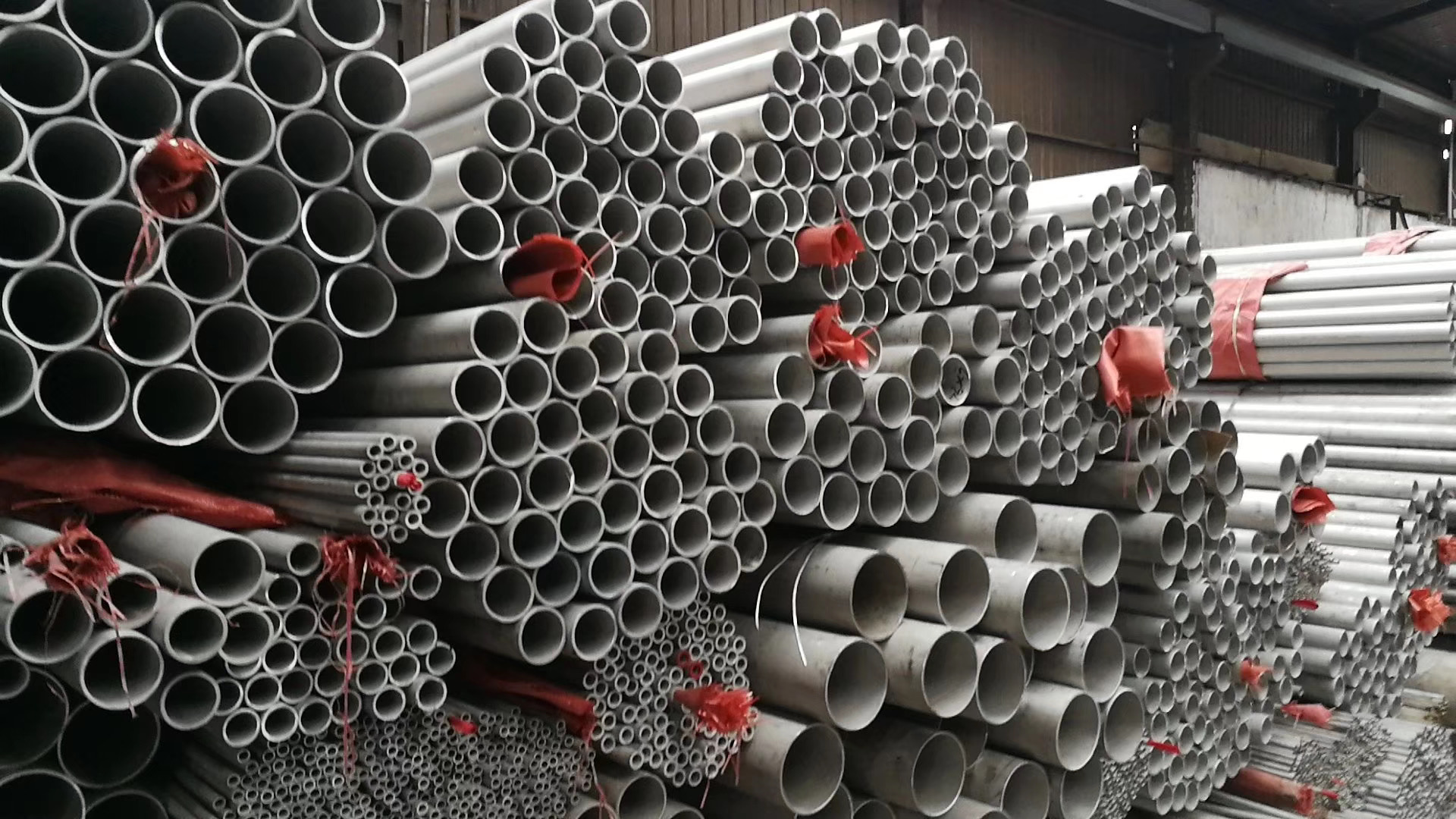
seamless steel tubes arranged in an industrial warehouse
Material selection shapes performance
The material you choose affects 耐腐蚀性, strength, temperature capability, weldability, machinability, and cost. Before comparing dimensions or finishes, clarify what the tube will carry, where it will operate, and what it will be exposed to.
A carbon steel tube is commonly selected for mechanical, structural, pressure, and fluid transport applications where strength and durability are priorities and the environment is not highly corrosive. Carbon steel is often practical, widely available, and suitable for many industrial systems when protected or specified correctly.
A 不锈钢无缝管 is a better fit when corrosion resistance, hygiene, or cleanability is important. It is often used in chemical processing, food and beverage systems, marine environments, medical equipment, instrumentation, and applications where surface condition matters as much as strength.
When reviewing material options, consider:
- 运行环境: Will the tube face moisture, chemicals, salt, heat, abrasion, or outdoor exposure?
- 机械需求: Will it handle pressure, bending, vibration, compression, or repeated loading?
- Fabrication needs: Will the tube be cut, machined, bent, flared, threaded, welded, or assembled with steel pipe fittings?
- Service life expectations: Is the goal low initial cost, reduced maintenance, longer replacement intervals, or a balance of all three?
- Compliance requirements: Does the project require a specific standard, test certificate, grade, or traceability document?
Manufacturing method and finish matter
Not all seamless products are made for the same level of precision. Hot finished seamless products may be suitable for many pressure, structural, and general mechanical uses. They are practical where exacting surface finish and tight dimensional tolerances are not the leading concern.
A cold drawn seamless steel tube goes through additional drawing after initial production. This process can improve dimensional accuracy, surface finish, and mechanical properties, making it useful for precision machinery, automotive components, hydraulic systems, and applications where consistent wall thickness or smooth internal surfaces are important.
Surface condition should not be treated as a cosmetic detail. A smoother bore can improve flow behavior and reduce contamination traps in some systems. A cleaner outside surface can also make coating, inspection, machining, or assembly easier. If the tube will be visible, polished, plated, painted, or used in a clean environment, specify finish expectations early.
How do size, tolerance, and wall thickness affect performance?
Size, tolerance, and wall thickness determine whether the tube fits, functions, and withstands the operating conditions safely. Outside diameter affects assembly and compatibility with clamps, brackets, equipment ports, and fittings, while inside diameter affects flow capacity and clearance. Wall thickness influences pressure capacity, weight, stiffness, bending behavior, and machinability.
A common mistake is choosing a seamless steel pipe or tube based only on nominal size. In many applications, the details matter more than the label. Two products may appear similar but differ in actual dimensions, tolerance range, straightness, ovality, or wall consistency.
Before ordering, confirm these points:
- Outside diameter and inside diameter requirements
- Know which dimension is critical. Some assemblies depend on OD fit, while flow systems may depend more on ID.
- Wall thickness or schedule
- Pressure, strength, and weight all change with wall thickness. Avoid overspecifying if weight or machining time matters.
- Length and cut tolerance
- Random lengths may be acceptable for fabrication, but finished assemblies may require fixed lengths and cleaner cuts.
- Straightness and roundness
- These are especially important for shafts, cylinders, precision frames, and automated assembly.
- End preparation
- Plain ends, beveled ends, threaded ends, or special machining should match the way the tube will be installed.
Match the tube to the application
A good specification connects the product to the working conditions. For pressure systems, the focus may be wall thickness, test requirements, material certification, and compatibility with valves or steel pipe fittings. For mechanical applications, the priority may shift to strength, machinability, straightness, and surface finish.
For fluid transport, internal cleanliness and corrosion resistance can be critical. For heat-related service, temperature capability and material stability matter. For structural or load-bearing use, yield strength, wall thickness, and fabrication behavior deserve close attention.
Here are practical examples of how the selection logic changes:
- Hydraulic systems: Favor precise dimensions, clean internal surfaces, and materials suitable for pressure and movement.
- Industrial piping: Confirm pressure rating, wall thickness, connection type, and compatibility with fittings.
- Machined parts: Look closely at OD tolerance, straightness, hardness, and machining allowance.
- Corrosive environments: Consider stainless options, protective coatings, or alternative grades.
- General fabrication: Balance availability, cost, weldability, and ease of cutting or forming.
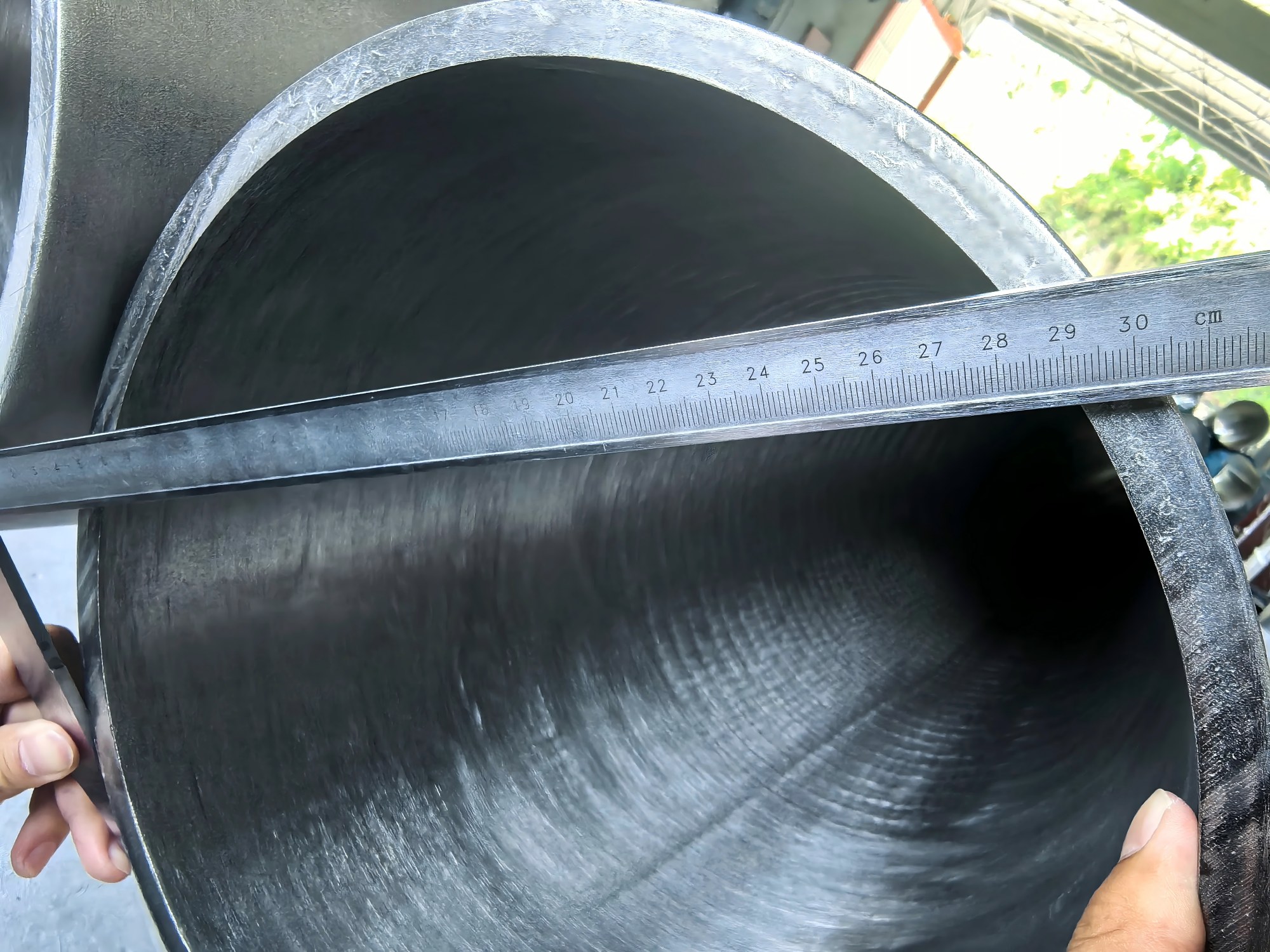
technician measuring seamless tubing with calipers
Supplier capability is part of the product
Choosing the right steel tube supplier is as important as choosing the right grade. A reliable supplier helps translate application needs into a workable specification, confirms availability, and reduces the risk of ordering a product that looks correct on paper but causes problems during fabrication or installation.
When evaluating a steel pipe manufacturer or distributor, look beyond catalog range. Ask whether they can provide material certificates, inspection reports, traceability, cutting services, custom lengths, packaging protection, and technical support. For project-based purchasing, consistency between batches can be just as valuable as a competitive price.
A capable supplier should help you clarify:
- Which grade and standard suit the application
- Whether seamless tubing or welded tubing is more appropriate
- What tolerances are realistic for the selected manufacturing route
- How the tube will be packed, shipped, and protected
- Whether matching steel pipe fittings are available or need separate sourcing
What should you confirm before placing an order?
Before placing an order, confirm the material grade, dimensions, wall thickness, tolerance, finish, quantity, certification needs, delivery schedule, and packaging requirements. This simple review can prevent mismatches, production delays, and unnecessary returns. It also ensures the seamless steel pipe or tube you receive is ready for the next step in your process.
Use this checklist before sending a purchase request:
- Application and operating conditions are clearly defined
- Material type is selected, such as carbon steel or stainless steel
- OD, ID, wall thickness, and length are specified
- Required standards, grades, and certificates are listed
- Surface finish and internal cleanliness expectations are stated
- End finish or machining requirements are included
- Fittings, valves, flanges, or couplings have been checked for compatibility
- Inspection, packing, and delivery requirements are documented
This level of detail may feel time-consuming, but it usually saves time later. A clear specification helps suppliers quote accurately and helps your team compare offers fairly.
A better tube choice starts with a better specification
右侧 seamless steel tube is the one that fits the real service conditions, not just the drawing size. Material, manufacturing method, dimensional tolerance, finish, and supplier support all affect how well the tube performs once it reaches the workshop or job site.
If you are comparing carbon steel tube, cold drawn seamless steel tube, stainless steel seamless tube, or other seamless tubing options, start with the application and work backward. Define what the tube must resist, carry, connect to, and become after fabrication. With a clear specification and a dependable supplier, choosing the right product becomes a practical decision instead of a guessing game.
 English
 Afrikaans
 Arabic
 Bengali
 Catalan
 Chinese
 French
 Dutch (Belgium)
 Dutch
Dutch German
 Czech
Czech Greek
Greek Hindi
Hindi Japanese
 Italian
 Portuguese
 Spanish (Chile)
 Spanish (Colombia)
 Spanish (Argentina)
 Persian
 Estonian
 Albanian
 Russian
 Spanish (Peru)
 Indonesian
 Thai
Thai Vietnamese
 Georgian
 Korean
 Nepali
 Polish
 Ukrainian
 Malayalam
 Xhosa
Xhosa