 温州凯信金属有限公司

Introduction
Labels like AISI 316 and ASTM A312 often appear together on spec sheets, but they aren’t the same. Choosing the wrong one can lead to project delays or pipe failure. This guide breaks down the difference between AISI and ASTM to help your business source the right ASTM stainless steel pipe every time.
What is the ASTM
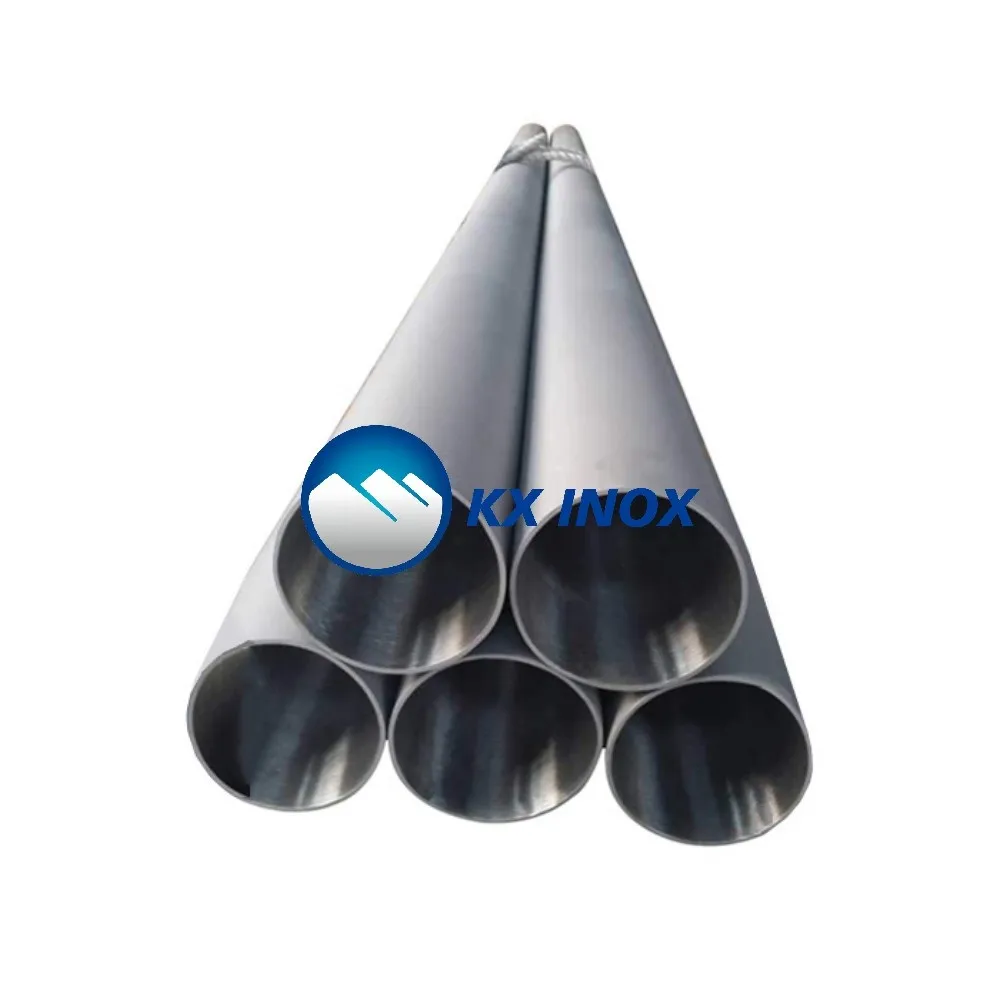
If you are in the business of buying metal, you have seen these four letters everywhere. But what do they actually mean for your bottom line?
ASTM Full Form
The ASTM full form stands for the American Society for Testing and Materials. Think of them as the global referees for industrial quality. They don’t just care about what is inside the metal; they care about how that metal performs when you put it under pressure in a factory.
ASTM Role in Piping
In the world of astm standard for stainless steel pipe, this organization sets the rules for the game. An ASTM standard tells you exactly how a pipe must be made, how thick the walls need to be, and how much pressure it can take before it bursts. Without these rules, buying pipes from overseas would be a total gamble.
AISI vs. ASTM: What is the Core Difference
This is where many procurement managers get tripped up. The difference between AISI and ASTM is simple once you look at it from a practical perspective:
AISI is the Recipe: The American Iron and Steel Institute focuses on the ingredients. If you want a steel with a specific amount of Chromium or Nickel, AISI tells you the chemistry.
ASTM is the Blueprint: ASTM takes that recipe and adds instructions. It covers the metal tube fabrication, the heat treatment, and the stress tests.
Chemistry vs. Performance: AISI says the steel is 304; ASTM says that 304 steel has been tested and is safe to use as a high-pressure astm stainless steel pipe.
The Shift in Authority: Today, AISI has largely stepped back from writing new standards. Almost all modern engineering specs now rely on the stainless steel astm system for legal and technical clarity.
| 特点 | AISI (Chemical Standard) | ASTM (Mechanical Standard) |
| Focus | 化学成分 | Manufacturing & Testing |
| Testing | Not Required | Mandatory (Pressure, Flattening, etc.) |
| Documentation | None | Mill Test Certificate (MTR) |
| Usage | Material Identification | Industrial Procurement |
AISI 304 vs. ASTM 304: Are They the Same Thing
You might hear someone say, I need an AISI 304 pipe. In casual conversation, people know what you mean. But on a legal contract, there is a massive gap in the aisi 304 vs astm 304 comparison.
材料等级: AISI 304 refers only to the chemical grade. It tells you the metal contains roughly 18% Chromium and 8% Nickel.
Product Reality: ASTM 304 is the material used within a specific product standard, such as ASTM A312.
Why You Can’t Just Order AISI: If you only order by the AISI name, you aren’t specifying if the pipe should be seamless or welded, or if it needs to be hydro-tested.
The Safety Gap: An ASTM stainless steel pipe has been verified to meet physical requirements. A piece of metal that only meets AISI 304 chemistry might still have internal cracks or uneven walls that make it dangerous for fluid transport.
AISI 316 vs. ASTM 316: Which Should Your Business Use
When your project involves salt water or harsh chemicals, the aisi 316 vs astm 316 debate becomes a matter of survival for your equipment.
The Marine Standard: AISI 316 is famous for its Molybdenum content, which stops salt from eating holes in the metal.
The Engineering Spec: Engineers prefer ASTM 316 because it comes with a Mill Test Report (MTR). This paper proves the pipe went through the astm standard for stainless steel pipe testing protocols.
Decision Matrix: Use AISI numbers when you are talking to your team about material types. Use ASTM numbers when you are sending a Purchase Order to a china stainless steel tube supplier.
Interchangeability: In most cases, a pipe that meets ASTM A312 Grade TP316 automatically satisfies the requirements for AISI 316, but the reverse is not always true.
5 Key Reasons Why ASTM Standards Matter for Stainless Steel Pipes
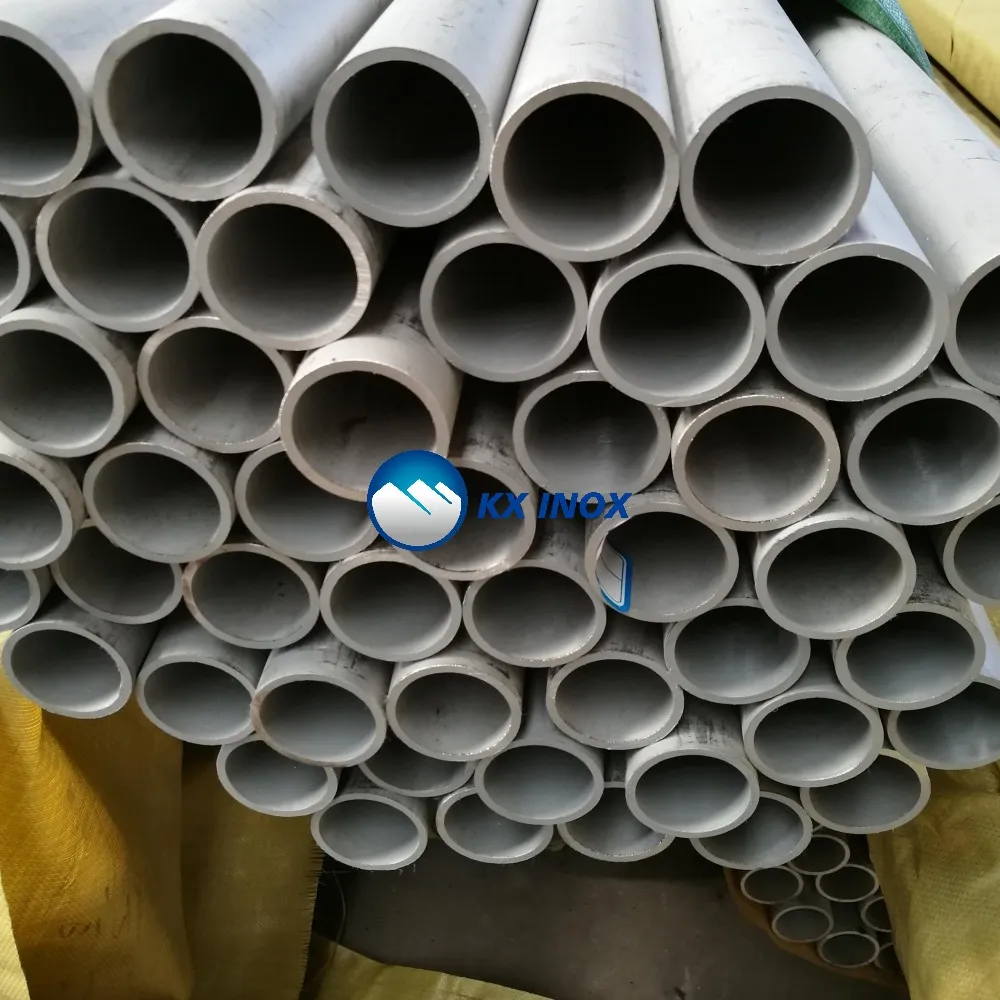
Why bother with all this paperwork? Because the astm standard for stainless steel pipe protects your business from expensive mistakes.
Pressure Safety: ASTM pipes undergo hydrostatic testing. This ensures the pipe won’t fail when your machines are running at full tilt.
耐腐蚀性: Standards like ASTM A312 require proper annealing (heat treatment). This “resets” the metal’s structure so it can fight off rust effectively.
Dimensional Consistency: If you are using automated metal tube fabrication, you need the pipe to be perfectly round. ASTM sets strict tolerances on diameter and wall thickness.
Traceability: Every ASTM pipe is linked to a heat number. If something goes wrong, you can trace the metal back to the exact batch and mill.
Global Compliance: Whether you are in Europe, the US, or Asia, stainless steel astm is a universal language that keeps everyone on the same page.
How to Correctly Source Stainless Steel ASTM Pipes from China
Sourcing from a china stainless steel tube supplier is a great way to save costs, but you have to be precise.
Don’t Just Say 304L: Be specific. Ask for ASTM A312 TP304L for general piping or ASTM A554 for decorative or mechanical use.
Verify the Stencil: A real astm stainless steel pipe will have the standard, the 不锈钢牌号, and the heat number printed directly on the pipe surface.
Check the Mill Certificate: Before shipping, ask for the MTR. Make sure the chemical levels match the AISI requirements and the mechanical tests meet the ASTM rules.
Understand the Difference: Make sure your supplier knows the difference between aisi and astm. Professional suppliers will always lead with the ASTM specification.
常见问题解答
Is AISI 316 the same as ASTM A312 TP316?
AISI 316 is the chemical recipe; ASTM A312 is the specific testing standard for the pipe.
What is the most common ASTM standard for pipes?
ASTM A312 is the industry benchmark for seamless and welded stainless steel pipes in corrosive environments.
Can I use AISI 304 pipes for high pressure?
No, you must specify an ASTM standard like A312 to ensure the pipe passed pressure testing.
Why did the industry stop using AISI for specs?
ASTM provides more detailed testing and safety requirements, which are necessary for modern industrial liability.
What does the “A” stand for in ASTM A312?
In the ASTM full form system, “A” refers to ferrous (iron-based) metals like steel.
Is AISI still used today?
It is used for material identification, but ASTM is the standard for manufacturing and legal contracts.
How do I know if my pipe is ASTM compliant?
Look for a stencil on the pipe and verify the details against the provided Mill Test Report.
Will 304 pipes rust if they aren’t ASTM certified?
They are more likely to rust because they may have skipped the critical annealing process required by ASTM.
结论
Understanding the difference between AISI and ASTM is the first step to a successful project. While AISI defines the metal, ASTM ensures the pipe is safe for your business. Don’t settle for “just 304″—demand ASTM stainless steel pipe. Contact Kaixin today to get a quote on high-quality, certified stainless steel pipes!
 English
 Afrikaans
 Arabic
 Bengali
 Catalan
 Chinese
 French
 Dutch (Belgium)
 Dutch
Dutch German
 Czech
Czech Greek
Greek Hindi
Hindi Japanese
 Italian
 Portuguese
 Spanish (Chile)
 Spanish (Colombia)
 Spanish (Argentina)
 Persian
 Estonian
 Albanian
 Russian
 Spanish (Peru)
 Indonesian
 Thai
Thai Vietnamese
 Georgian
 Korean
 Nepali
 Polish
 Ukrainian
 Malayalam
 Xhosa
Xhosa