 Wenzhou Kaixin Kaixin Metal Co, LTD

Як вибрати розміри труб з нержавіючої сталі
Choose stainless steel pipe, tubing, fittings, and flexible pipe options with more confidence before you request a quote. This page helps you match stainless pipe sizes to flow, pressure, installation space, connection style, and material grade so your order fits the job instead of creating delays on site.
Which stainless pipe size is right for your project?
The right stainless steel pipe size depends on what the pipe must carry, how it will connect, and the environment it must withstand. A process line may need industrial steel pipe with a heavier wall, while a fabrication project may call for stainless steel tubing with tighter dimensional needs. If vibration, movement, or tight routing is part of the installation, stainless steel flex pipe may be the practical choice.
Start with the application, not only the diameter. Pipe size affects flow and pressure capacity, but wall thickness, stainless steel grades, and end connections all influence performance. When you share your media, temperature range, pressure needs, and connection requirements, stainless pipe suppliers can help narrow the options without guessing.
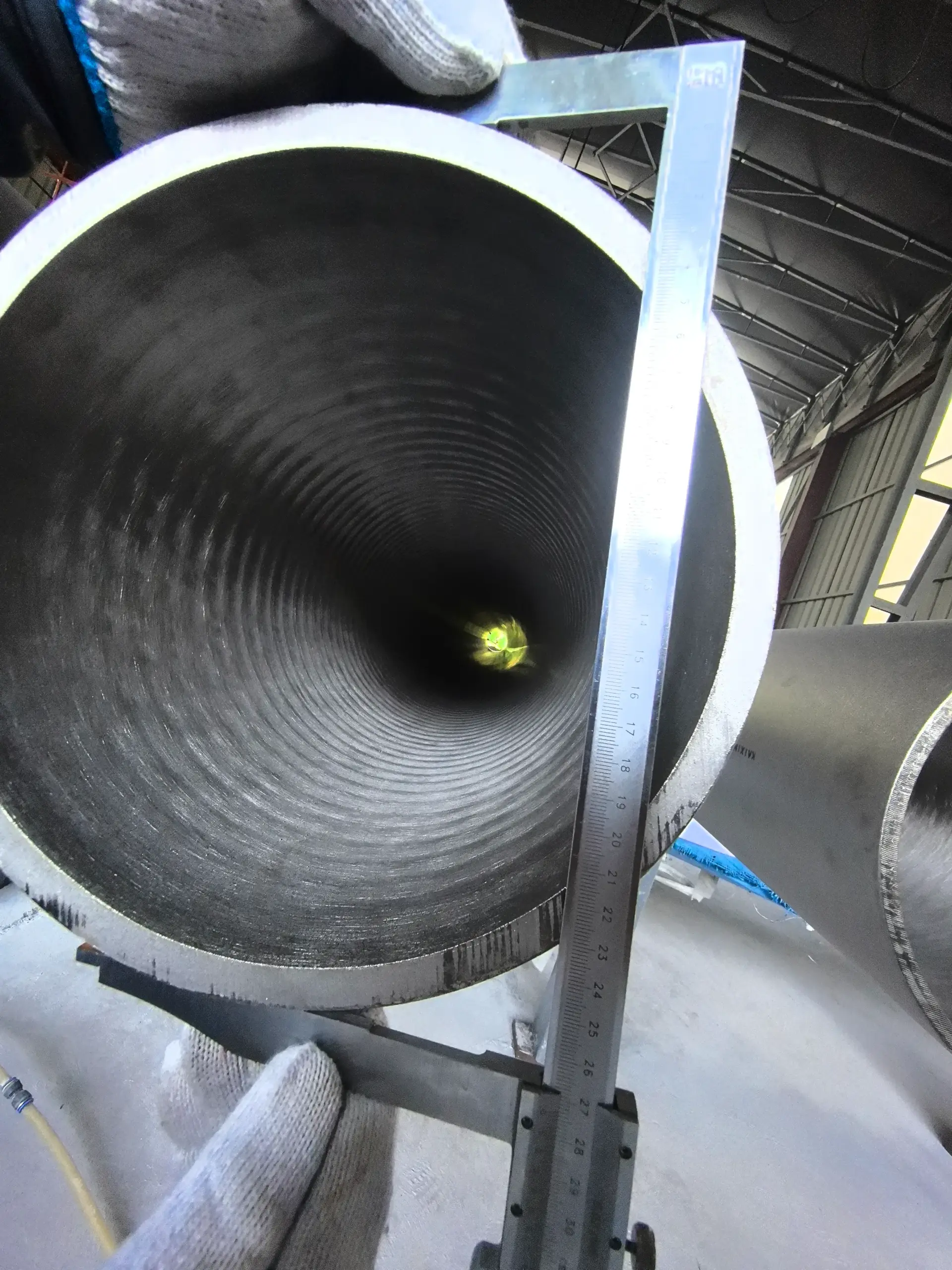
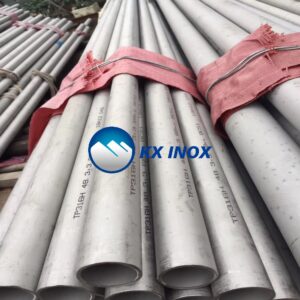
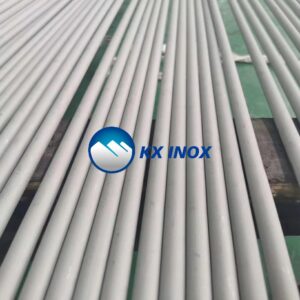
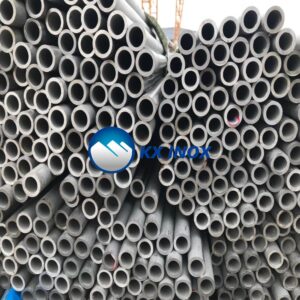
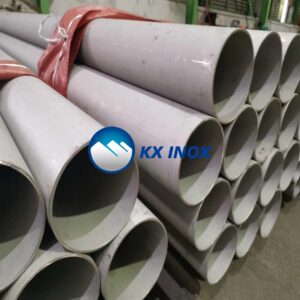
stainless steel pipes in multiple diameters arranged by size
Stainless pipe options for demanding applications
Труба з нержавіючої сталі is used where strength, corrosion resistance, cleanability, or long service life matters. It is commonly selected for industrial systems, mechanical rooms, fabrication work, fluid transfer, food-adjacent environments, and equipment connections. The product you choose should match the way it will be installed and maintained.
Available product categories may include:
- Труба з нержавіючої сталі for fluid, gas, structural, and process applications where pipe dimensions and wall schedules are required.
- Труби з нержавіючої сталі for fabrication, instrumentation, frames, equipment, and applications where outside diameter and wall thickness are key.
- Seamless steel pipe for applications that benefit from a continuous pipe body without a welded seam.
- Stainless steel flex pipe for movement, vibration isolation, tight routing, or equipment connections.
- Steel pipe fittings such as elbows, tees, reducers, couplings, adapters, and flanges to complete the system.
Each option solves a different problem. A rigid pipe run may be the best choice for straight process lines, while flex pipe can reduce strain where machinery moves or alignment is imperfect. Fittings matter just as much as the pipe because the system is only useful if every connection matches the layout.
Size, wall, and connection details that affect performance
Stainless pipe sizes can be confusing because pipe and tubing are often measured differently. Pipe is commonly selected by nominal pipe size and wall schedule, while tubing is often selected by outside diameter and wall thickness. That difference is important when you are replacing an existing part or connecting to equipment.
Before ordering, confirm these details:
- Nominal size or outside diameter: Make sure you know whether your project uses pipe sizing or tube sizing.
- Wall thickness or schedule: A heavier wall may be needed for pressure, mechanical strength, or wear resistance.
- Length requirements: Standard lengths may work for stock orders, while cut-to-length pieces may reduce field labor.
- End type: Plain end, threaded, welded, flanged, grooved, or custom-prepared ends may change the fitting selection.
- Connection compatibility: Match pipe, tubing, steel pipe fittings, valves, pumps, and equipment ports before installation begins.
- Installation constraints: Allow for clearance, bends, supports, vibration, and maintenance access.
A simple example: if a replacement line is measured only by its outside diameter, but the system requires nominal stainless steel pipe, the fittings may not match. Confirming the sizing method early can prevent rework, extra freight, and downtime.
Stainless steel grades and material selection
Stainless steel types are not interchangeable in every environment. The best grade depends on exposure, cleaning methods, temperature, and the material moving through the pipe. Some systems need a general-purpose stainless steel grade, while others need stronger resistance to corrosion or higher operating demands.
When comparing stainless steel grades, consider:
- Corrosion exposure: Moisture, chemicals, salt, washdown, and outdoor conditions may influence grade selection.
- Temperature range: Heat and thermal cycling can affect material choice and expansion planning.
- Sanitary or clean-service needs: Smooth surfaces, compatible fittings, and cleanable layouts may be important.
- Fabrication method: Welding, bending, threading, and polishing requirements may point toward a specific stainless steel type.
- Budget and availability: A more specialized grade may cost more or require longer sourcing time.
If you are unsure, provide the operating conditions rather than choosing a grade by habit. A supplier can help compare common stainless steel types and recommend a practical match based on the job requirements you provide.
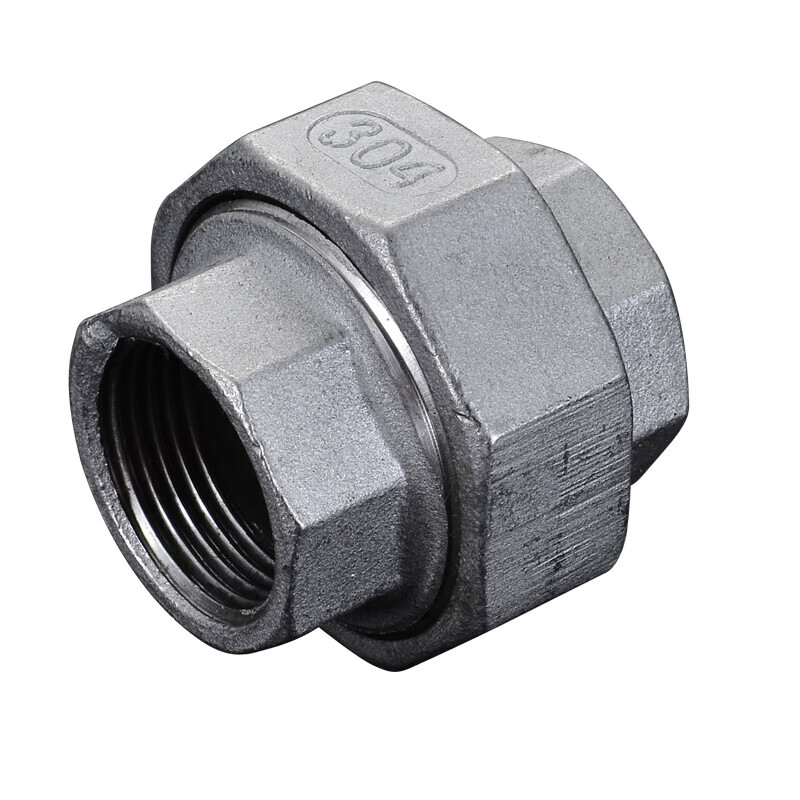
close-up of stainless steel pipe fittings and threaded connections
Built for accurate ordering and easier installation
A good труба з нержавіючої сталі order is more than a list of diameters. It should arrive with compatible sizes, fittings, materials, and quantities so installers can keep moving. That is why the quoting process should collect enough technical information to identify the right product before the material ships.
Use this checklist when preparing your request:
- Identify whether you need pipe, tubing, seamless steel pipe, or stainless steel flex pipe.
- Confirm the required size, wall thickness, schedule, or outside diameter.
- Note the stainless steel grade if specified by your project documents.
- List all required steel pipe fittings, valves, flanges, clamps, or adapters.
- Share pressure, temperature, media, and environmental exposure when relevant.
- Include drawing references, part numbers, photos, or measurements if replacing an existing line.
- Ask about stock availability, lead time, packaging, and delivery options before placing the order.
This approach helps reduce mismatched components. It also makes it easier to compare quotes because each supplier is pricing the same stainless pipe sizes, grades, and fitting requirements.
Pricing and quote considerations
Pricing for stainless steel pipe and fittings depends on size, grade, wall thickness, product form, quantity, finishing, fabrication needs, and market availability. Seamless steel pipe, specialty stainless steel grades, or custom-cut material may be priced differently from standard stock items. Larger orders may also require different handling, freight, or lead-time planning.
For the most useful quote, avoid asking for “stainless pipe” without details. Instead, send the size, material grade, quantity, and connection requirements. If the specification is not final, describe the application so the quote can include suitable options rather than a single guess.
Get the stainless pipe sizes matched to your job
Whether you are sourcing industrial steel pipe for a process line, stainless steel tubing for fabrication, or stainless steel flex pipe for an equipment connection, the right order starts with clear sizing and material details. Share your requirements, drawings, or measurements, and request a quote for the труба з нержавіючої сталі, fittings, and grade options that fit your project.
Ready to source material? Send your size, grade, quantity, and connection details to get a practical quote from stainless pipe suppliers who can help you move from specification to installation.

 English
 Afrikaans
 Arabic
 Bengali
 Catalan
 Chinese
 French
 Dutch (Belgium)
 Dutch
Dutch German
 Czech
Czech Greek
Greek Hindi
Hindi Japanese
 Italian
 Portuguese
 Spanish (Chile)
 Spanish (Colombia)
 Spanish (Argentina)
 Persian
 Estonian
 Albanian
 Russian
 Spanish (Peru)
 Indonesian
 Thai
Thai Vietnamese
 Georgian
 Bhojpuri
 Moroccan Arabic
 Korean
 Nepali
 Polish
 Ukrainian
 Malayalam
 Xhosa
Xhosa