 Вэньчжоу Кайсинь Кайсинь Металл ЛТД

Maintenance Tips for 304 Stainless Steel
304 stainless steel is one of the most widely used stainless steel types because it offers a strong balance of appearance, durability, formability, and everyday corrosion resistance. You’ll find it in kitchen sinks, appliances, food prep surfaces, architectural panels, and fabricated parts, including 304 stainless steel sheet. The key to keeping it in good condition is simple but consistent care: clean it regularly, avoid chloride-heavy or abrasive products, and respond quickly when stains, scratches, or deposits appear.
What makes 304 stainless steel need specific care?
304 stainless steel needs specific care because its corrosion resistance depends on a thin, naturally forming chromium oxide layer on the surface. This invisible passive layer helps protect the metal, but it can be weakened by salt, harsh chemicals, trapped moisture, rough abrasion, or contamination from ordinary steel particles. Good maintenance protects that layer so the surface remains hygienic, attractive, and long-lasting.
This stainless steel grade is typically described as an 18/8 austenitic stainless steel because it contains about 18% chromium and roughly 8% nickel, with low carbon content. Chromium supports corrosion resistance, while nickel helps stabilize the austenitic structure that gives 304 stainless steel good toughness and workability. Even so, “stainless” does not mean stain-proof. In the wrong environment, 304 stainless can still show tea staining, pitting, crevice corrosion, rust-colored deposits, or dull surface buildup.
That is why maintenance should focus less on aggressive scrubbing and more on protecting the surface chemistry. A mild cleaner, thorough rinsing, and complete drying often do more for long-term performance than strong chemicals or abrasive pads.
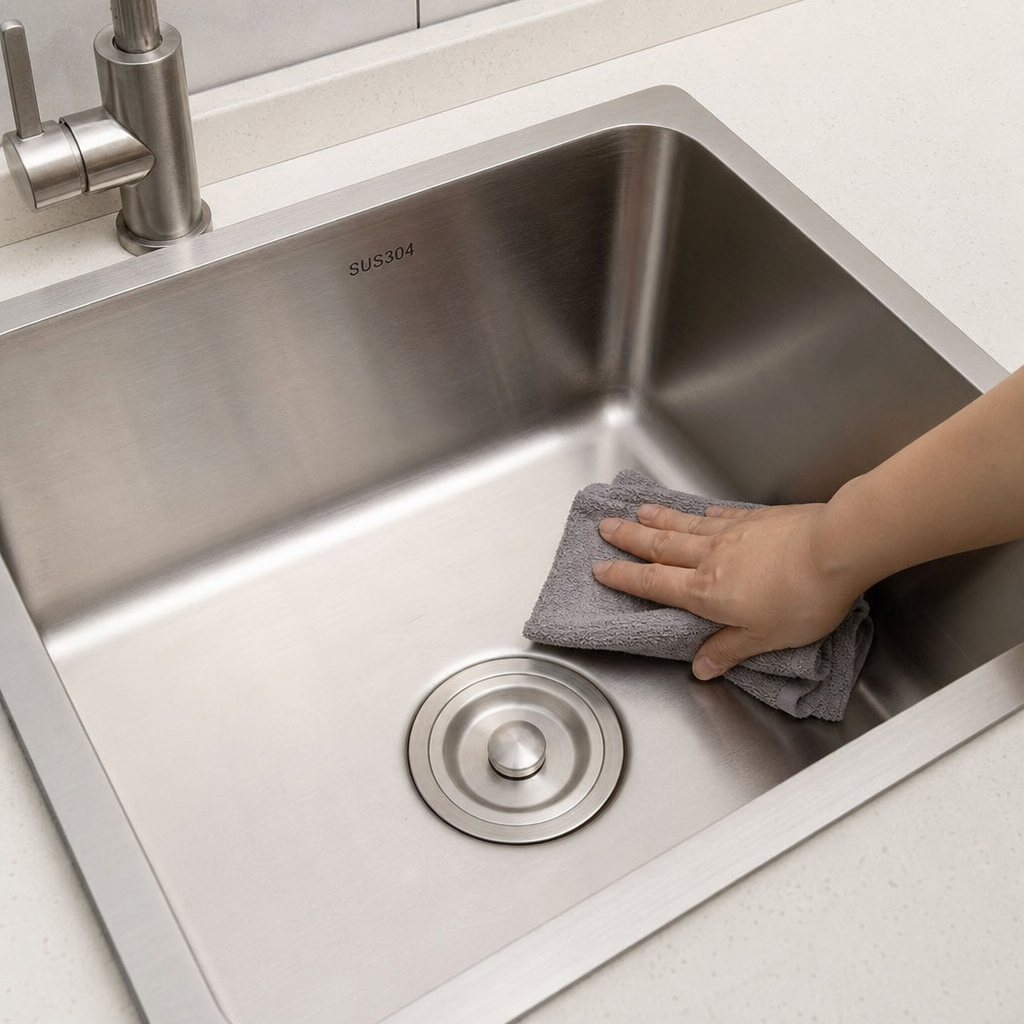
304 stainless steel kitchen sink being wiped with a soft cloth
The everyday cleaning routine that protects the finish
For most home, kitchen, and light commercial uses, routine cleaning is straightforward. The goal is to remove food residue, fingerprints, mineral deposits, grease, and airborne contaminants before they sit on the surface long enough to mark or damage it.
Use warm water, a mild detergent, and a soft cloth or non-scratch sponge. Wipe with the visible grain when the surface has a brushed finish, then rinse with clean water. Drying matters more than many people realize, especially around sinks, splashbacks, worktops, and architectural surfaces exposed to rain or humidity. Standing water can leave mineral spots, and moisture trapped beneath objects can encourage crevice corrosion.
For a 304 stainless steel kitchen surface, a practical routine looks like this:
- Wipe after use. Remove spills, sauces, fingerprints, and salt residue before they dry onto the surface.
- Wash with mild detergent. Use warm water and a gentle dish soap or neutral cleaner.
- Rinse completely. Cleaner residue can leave streaks or react with contaminants.
- Dry with a soft towel. This reduces water spotting and prevents moisture from sitting in seams or corners.
- Inspect high-contact areas. Handles, sink edges, drainboards, welds, and corners often collect deposits first.
This simple routine works for kitchen appliances, splashbacks, stainless steel sheet 304 panels, and many food-contact surfaces. In busy environments, clean more frequently rather than using stronger products less often.
Cleaning products and tools to avoid
The wrong cleaner can make 304 stainless steel harder to maintain, even when the damage is not obvious at first. Abrasive powders, steel wool, wire brushes, and harsh scouring pads can scratch the finish. Scratches trap moisture and contaminants, making future staining more likely. They can also change the appearance of brushed or polished surfaces in a way that is difficult to reverse.
Chloride-containing products deserve special caution. Chlorides are found in salt, some disinfectants, some bleach-based cleaners, and certain industrial chemicals. On 304 stainless steel, chloride exposure can lead to pitting, especially when moisture remains on the surface. Bleach should not be left on stainless steel, and strong acids should be avoided unless a qualified professional has specified the correct product and procedure.
Avoid these common mistakes:
- Using steel wool or carbon-steel brushes that can leave rusting iron particles behind.
- Leaving bleach, chlorine cleaners, or salty water sitting on the surface.
- Cleaning with rough abrasive powders that dull polished or brushed finishes.
- Allowing wet cloths, rubber mats, food residue, or metal cans to remain in one spot.
- Mixing cleaners, especially disinfectants and acidic products.
- Ignoring small rust-colored marks because “stainless steel should not rust.”
If a surface needs disinfecting, clean it first, use a stainless-compatible product according to its label, then rinse and dry when appropriate for the application. For food preparation areas, also follow the hygiene rules that apply to the setting.
How can you prevent corrosion on 304 stainless steel?
You prevent corrosion on 304 stainless steel by keeping the surface clean, dry, oxygen-exposed, and free from chlorides, trapped residue, and ordinary steel contamination. The passive layer needs access to oxygen to reform naturally, so maintenance should remove deposits rather than seal contaminants beneath them. When the surface is exposed to salt, cleaners, acidic foods, or industrial grime, prompt rinsing and drying are the best first line of defense.
Several corrosion patterns are worth understanding because they guide how you clean.
Pitting from chlorides
Pitting appears as small, localized spots or pinholes. It is often linked to salt, chlorinated cleaners, marine air, or salty food residues. On a sink or food prep counter, pitting risk rises when brine, pickle juice, saltwater, or bleach residue is left to sit. Rinse chloride exposure quickly, and dry the area rather than letting water evaporate on its own.
Crevice corrosion in tight spaces
Crevice corrosion can develop where moisture is trapped under gaskets, mats, labels, deposits, washers, or overlapping metal edges. The problem is not always the visible surface; it is the hidden gap where oxygen is limited and contaminants concentrate. Lift mats, clean seams, and avoid leaving objects in permanent contact with wet stainless steel.
Surface rust from contamination
Rust-colored marks on 304 stainless steel are often caused by external iron contamination rather than the stainless itself “turning into rust.” Steel wool, grinding dust, carbon-steel tools, or nearby fabrication work can leave particles on the surface. These particles rust and stain the stainless steel beneath. Use stainless-only tools in fabrication areas, and clean new installations before contaminants settle in.
Special care for kitchens, food areas, and sinks
The 304 stainless steel kitchen environment is demanding because it combines water, heat, salt, acidic foods, detergents, and frequent contact. Fortunately, most issues can be reduced with habits that take only a few seconds.
After cooking, rinse away salty or acidic residues from foods such as tomato sauce, citrus, vinegar, brines, and condiments. Do not leave cast iron pans, wet sponges, metal cans, or rubber sink mats sitting on the surface for long periods. Around sinks, pay attention to the drain area and faucet base because standing water and cleaning product residue often collect there.
For fingerprints and light smudges on appliances or panels, use a damp microfiber cloth followed by a dry cloth. For greasy buildup, mild detergent is usually enough. For light mineral marks, use a stainless-compatible cleaner and test first in a discreet area. Always work with the grain, not across it, especially on brushed finishes.
A simple kitchen checklist:
- Rinse salty, acidic, or chlorinated residues promptly.
- Dry sink bowls, drainboards, and splash zones when practical.
- Clean along the grain to preserve the finish.
- Keep harsh cleaners away from seams, welds, and edges.
- Remove deposits early, before they become stubborn stains.
- Store cleaning pads separately so carbon-steel particles do not transfer.
Caring for 304 stainless steel sheet and fabricated parts
304 stainless steel sheet is used in wall panels, work surfaces, guards, enclosures, backsplashes, and architectural details. Flat sheet surfaces can look easy to maintain, but they often show fingerprints, water streaks, adhesive residue, and directional scratches more clearly than smaller parts.
For new stainless steel sheet 304 installations, remove protective film as recommended by the supplier or fabricator. Film left too long can become difficult to remove, especially after heat or sunlight exposure. After installation, clean the surface to remove dust, fingerprints, adhesive traces, and any particles from cutting or nearby construction.
Fabricated parts need extra attention around welds, bends, fasteners, and corners. Welding can affect the surrounding surface if heat tint, scale, or contamination is not properly removed. In some applications, passivation may be used after fabrication to help restore an optimal corrosion-resistant surface. If a part will be exposed to harsh chemicals, outdoor conditions, or food-processing washdowns, discuss finishing and passivation with the supplier or fabricator instead of relying only on routine cleaning.
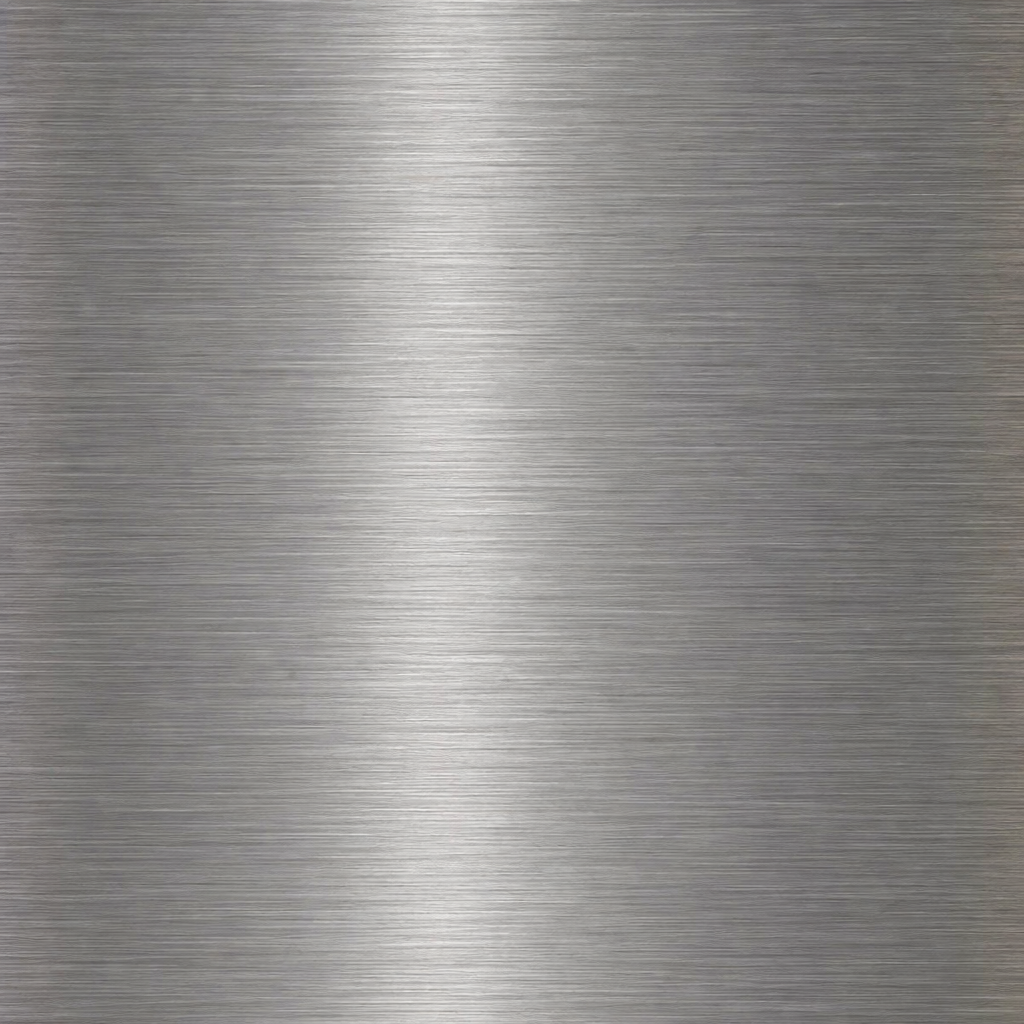
Polished stainless steel sheet metal panel with brushed grain finish
When 304 is enough and when another stainless steel grade may be better
304 stainless steel is a dependable corrosion resistant steel for many indoor, kitchen, decorative, and general-purpose environments. It is often chosen because it offers a practical balance of performance, availability, and fabricability. For many users, good maintenance is enough to keep 304 stainless looking clean and performing well for years.
However, maintenance cannot overcome every environment. If the surface is exposed to marine air, deicing salts, frequent chlorides, harsh washdowns, or certain chemical processes, a more resistant grade may be a better choice. Among common stainless steel types, 316 stainless steel is often considered where chloride resistance is more important because it contains molybdenum, which improves pitting resistance in many chloride-containing environments.
That does not mean 316 is always necessary, or that 304 stainless is a poor choice. It means the environment should guide the material. If staining keeps returning despite correct cleaning, or if pitting appears in chloride-heavy conditions, the issue may be material selection rather than maintenance technique.
A practical maintenance schedule
A clear schedule helps prevent small issues from becoming permanent marks. Adjust the frequency based on exposure, but use this as a sensible starting point.
Daily or after use:
- Wipe food prep surfaces, sinks, handles, and splash zones.
- Rinse away salt, acids, and cleaning residues.
- Dry areas where water tends to sit.
Weekly:
- Clean corners, seams, drain areas, and appliance edges.
- Check for early spots, dull areas, or trapped residue.
- Wash microfiber cloths and replace worn non-scratch pads.
Monthly or as needed:
- Inspect exterior panels, 304 stainless steel sheet surfaces, and fabricated parts.
- Remove mineral buildup before it hardens.
- Review whether any cleaner, mat, gasket, or nearby material is causing staining.
After unusual exposure:
- Rinse immediately after contact with saltwater, bleach, strong cleaners, construction dust, or metal grinding particles.
- Dry thoroughly and inspect again later.
- Ask a qualified supplier or maintenance professional about passivation if contamination or corrosion returns.
The takeaway for long-lasting 304 stainless
The best maintenance approach for 304 stainless steel is consistent, gentle, and preventive. Clean with mild products, rinse thoroughly, dry the surface, avoid chlorides and abrasives, and pay close attention to seams, welds, sinks, and high-contact areas.
With the right routine, this stainless steel grade can remain bright, sanitary, and reliable in kitchens, food areas, architectural panels, and general fabrication. And when the environment is too harsh for 304, knowing the limits helps you choose a better stainless steel type before corrosion becomes an expensive problem.
 English
 Afrikaans
 Arabic
 Bengali
 Catalan
 Chinese
 French
 Dutch (Belgium)
 Dutch
Dutch German
 Czech
Czech Greek
Greek Hindi
Hindi Japanese
 Italian
 Portuguese
 Spanish (Chile)
 Spanish (Colombia)
 Spanish (Argentina)
 Persian
 Estonian
 Albanian
 Russian
 Spanish (Peru)
 Indonesian
 Thai
Thai Vietnamese
 Georgian
 Bhojpuri
 Moroccan Arabic
 Korean
 Nepali
 Polish
 Ukrainian
 Malayalam
 Xhosa
Xhosa