 Wenzhou Kaixin Kaixin Metal Co., Ltd

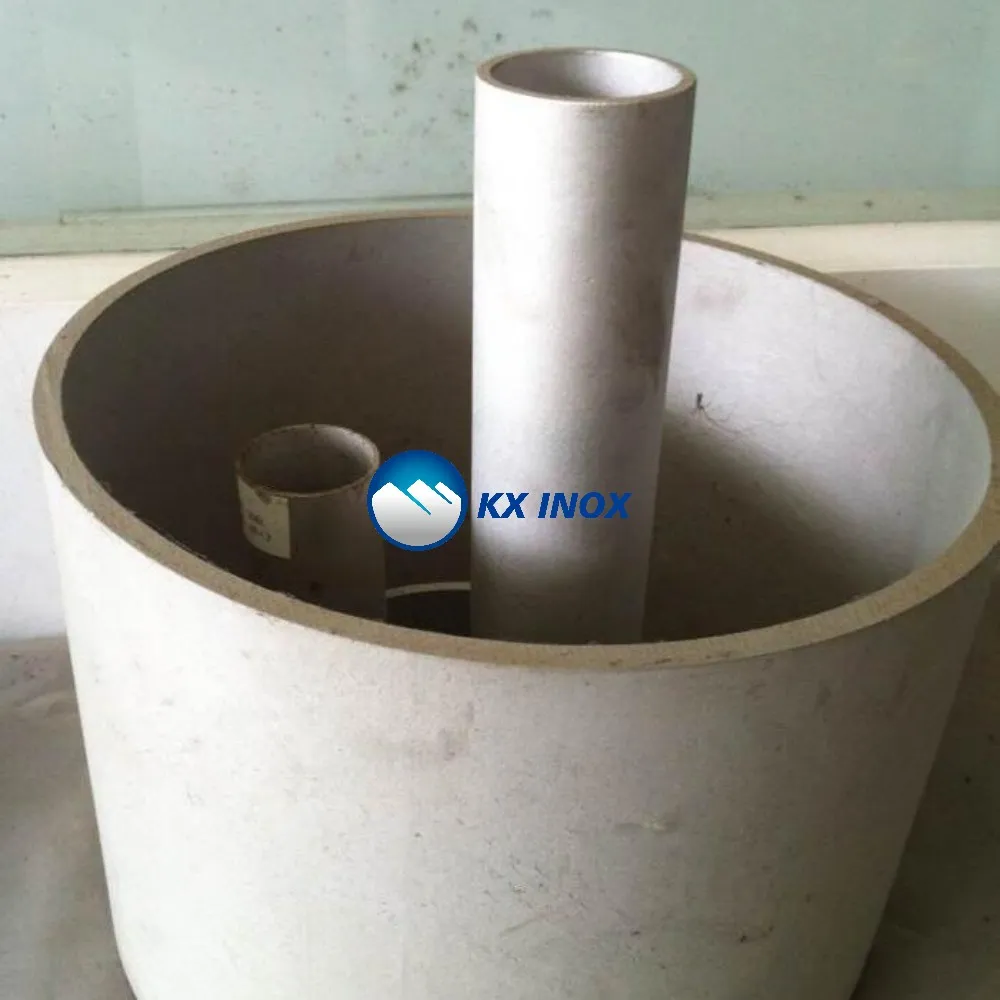
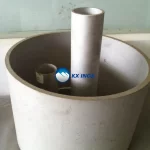
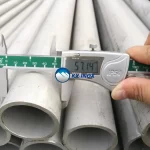
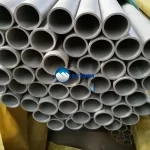
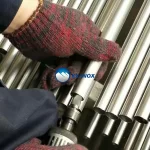
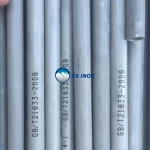
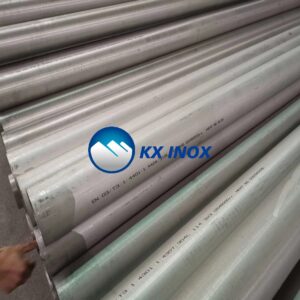
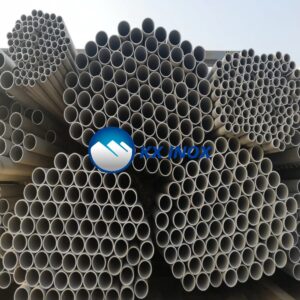
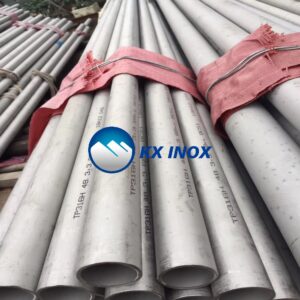
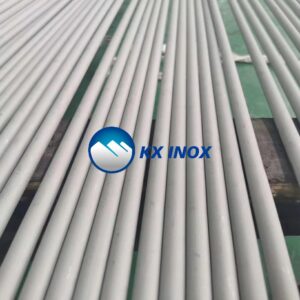
ASTM A511 TP304 Stainless steel seamless pipe specification
The ASTM A511 TP304 stainless steel seamless pipe is a vital component in many industries. Known for its strength and corrosion resistance, it is a preferred choice for demanding environments.
This pipe is crafted without a weld seam, ensuring uniform strength and structure. Its seamless design offers superior pressure ratings compared to welded pipes.
The TP304 grade is part of the 300 series, celebrated for its austenitic structure. This makes it ideal for high-temperature and corrosive settings.
Engineers and construction professionals often select these pipes for their durability and reliability. They are used in petrochemical, oil and gas, and food processing industries.
The chemical composition includes chromium and nickel, enhancing its resistance to corrosion. This makes it suitable for both indoor and outdoor applications.
ASTM A511 TP304 pipes meet international standards for quality and performance. Their seamless construction reduces the risk of leaks and failures.
These pipes are available in various sizes and thicknesses, catering to different applications. They offer a long service life with minimal maintenance, making them a cost-effective choice.
Overview of ASTM A511 TP304 Stainless Steel Seamless Pipe
The ASTM A511 TP304 stainless steel seamless pipe is essential in many industries, providing unmatched strength and durability.
Its design without weld seams ensures greater structural integrity.
This pipe type serves various applications requiring high-pressure ratings and corrosion resistance.
The seamless structure reduces the potential for failure under pressure.
TP304 stainless steel, part of the 300 series, is popular for its austenitic qualities and excellent performance.
It performs well in high-temperature environments, maintaining its structural properties.
The pipe is commonly deployed in industries like petrochemical, oil and gas, and food processing. Its resistance to acids and alkalis makes it versatile.
Key characteristics of ASTM A511 TP304 stainless steel seamless pipe include:
- Superior resistance to high-temperature oxidation
- Strong mechanical properties including tensile and yield strength
- Consistent wall thickness due to seamless construction
- Variety of sizes and thicknesses to meet different needs
These pipes not only support industrial needs but also serve specific requirements in medical and food service sectors.
Its versatility and reliability keep it in high demand across numerous applications.
Understanding ASTM A511 Standard
The ASTM A511 standard provides guidelines for seamless stainless steel pipes used in various applications.
It outlines the necessary mechanical and chemical properties for these pipes, ensuring consistent quality and performance.
This specification primarily focuses on seamless pipes, which are renowned for their robust construction.
Being seamless, these pipes minimize potential weak spots caused by welding. This enhances their reliability, especially in high-pressure environments.
The standard specifies parameters such as size, thickness, and manufacturing processes.
It ensures that the pipes meet rigorous industry demands and remain resilient under challenging conditions.
Key features mandated by ASTM A511 include:
- Chemical composition requirements
- Mechanical property criteria, such as tensile and yield strength
- Dimensional tolerances for precise fitting
- Temperature and pressure endurance
ASTM A511 also emphasizes quality control measures and testing protocols. These protocols ensure that each pipe is checked for defects or inconsistencies.
Understanding this standard is crucial for engineers and procurement specialists who select materials for their projects.
The guidelines aid in choosing the right pipe for specific operational environments.
Hei whakarāpopototanga, ASTM A511 provides a comprehensive framework to guarantee the quality and performance of stainless steel seamless pipes.
By adhering to it, industries can maintain high standards and ensure operational safety.
TP304 Stainless Steel: Composition and Properties
TP304 stainless steel is highly regarded for its superior properties. It is part of the 300 series, known for its austenitic structure.
This structure gives the material excellent corrosion resistance and durability.
The composition of TP304 includes elements like chromium and nickel. These elements enhance the steel’s ability to resist various types of corrosion.
This makes it ideal for use in harsh environments.
Properties such as high tensile strength and excellent ductility make TP304 a popular choice. It maintains structural integrity under extreme conditions.
The pipe’s resistance to oxidation and high temperatures is another key benefit. This allows it to perform well in thermal applications.
It is easily weldable and fabricable, reducing the complexity in projects. These attributes contribute to its popularity in industrial applications.
Key properties of TP304 stainless steel include:
- High corrosion resistance
- Good weldability and formability
- Temperature and pressure tolerance
- Non-magnetic in annealed condition
The combination of these properties makes TP304 highly versatile. It finds applications in various industries, from food processing to petrochemicals.
Its strength and reliability ensure long-lasting performance.
Chemical Composition of TP304
The chemical composition of TP304 plays a crucial role in its performance.
Chromium and nickel are the primary elements that give this alloy its distinctive properties.
Typically, TP304 contains about 18% chromium and 8% nickel. These elements improve corrosion resistance and enhance oxidation resistance.
Key constituents in TP304 stainless steel include:
- Numoana: 18–20%
- Nickel: 8–10.5%
- Waro: Up to 0.08%
- Koporese: Up to 2%
- Kupu siliken: Up to 1%
Additional elements such as carbon and manganese improve its mechanical characteristics.
The low carbon content helps prevent carbide precipitation.
The meticulous balance of elements ensures the alloy’s efficacy in various environments.
Its chemical resilience makes it suitable for numerous applications, ensuring safety and durability.
Mechanical Properties of TP304
TP304 is celebrated for its robust mechanical properties. Its strength and flexibility accommodate demanding applications across industries.
It exhibits high tensile and yield strength, crucial for structural integrity. This ensures that the pipe can withstand significant stress without deforming.
Prominent mechanical characteristics of TP304 include:
- Te kaha kaha: Around 515 Mai
- Te whakaputa kaha: Approximately 205 Mai
- Rei: Around 35% in 50mm
Ductility is another significant feature, enabling easy bending and shaping. This property allows for versatile uses in manufacturing processes.
The combination of tensile strength and ductility makes TP304 ideal for dynamic applications.
Its mechanical resilience supports both high and low-pressure uses, delivering reliability and efficiency.
Seamless Pipe Manufacturing Process
The manufacturing of seamless pipes involves complex processes. Unlike welded pipes, seamless ones do not have a seam or weld joint.
This absence of a weld enhances their strength and durability.
The process starts with a solid round billet of steel. This billet is heated and pierced through the center to form a hollow tube.
Rotary piercing is often used to create this hollow section.
Once hollow, further processes shape the pipe to the desired dimensions. The pipe can be elongated using extrusion, pushing the metal through a die.
After reaching the necessary thickness and size, the pipe undergoes a finishing process.
This can involve heat treatment or surface cleaning. These steps ensure the final product meets stringent quality standards.
Key steps in seamless pipe manufacturing include:
- Billet heating and piercing
- Rotary piercing or extrusion
- Size and wall thickness adjustment
- Heat treatment or surface finishing
The seamless manufacturing method produces a pipe with uniform properties throughout. It offers reliability for applications involving high pressure or thermal stress.
The consistent structure of seamless pipes also provides a high resistance to corrosion.
Hot Finished vs. Cold Finished Seamless Pipes
Seamless pipes can be produced using hot or cold finishing methods. Each method gives the pipe distinct characteristics.
Hot finished seamless pipes are produced at elevated temperatures. This gives them excellent ductility, making them easier to shape.
They are suitable for applications where the appearance is not critical.
Cold finished pipes involve a more refined process. Cold finishing enhances dimensional accuracy and surface finish.
These pipes are ideal for precision applications requiring tight tolerances.
Differences between hot finished and cold finished pipes include:
- Hot finished: More ductility, less precise dimensions
- Cold finished: Higher precision, better surface finish
The choice between hot and cold finished pipes depends on the specific application requirements.
Cold finished pipes are often used when aesthetics and precision are vital. Hot finished ones are preferred for general-purpose uses.
Dimensional Specifications and Tolerances
ASTM A511 TP304 stainless steel seamless pipes are available in various dimensions to suit different industrial needs.
Ensuring precise dimensions is vital for seamless pipe applications. The specifications dictate the diameter, matotoru pakitara, and length.
The outer diameter of these pipes ranges from small bore pipes to large diameter ones. Wall thickness varies, allowing flexibility for various pressure requirements.
These specifications ensure compatibility with diverse uses from small fittings to large infrastructure projects.
Dimensional tolerances are critical in maintaining quality. They ensure the pipes fit specific application needs precisely, minimizing installation issues.
Tolerance specifications cover allowable deviations in diameter and thickness.
Manufacturers adhere to strict tolerance standards to ensure consistency. High precision in measurements leads to fewer operational issues post-installation. This consistency is fundamental in projects where accuracy is essential.
Dimensional and tolerance features include:
- Range of diameters and wall thicknesses
- Specific length measurements
- Consistent adherence to manufacturing standards
Size Range and Wall Thickness
The size range of seamless pipes covers many uses. They fit everything from high-pressure systems to lower-pressure environments.
Specific projects might require custom sizes for unique needs.
Wall thickness plays a vital role in a pipe’s strength and pressure-handling capability. Options vary from thin-walled pipes to thicker variants.
Choosing the right wall thickness is essential for safety and functionality.
Common size and wall thickness features include:
- Wide size range for various applications
- Different wall thicknesses for distinct pressure needs
Straightness and Surface Finish
Straightness in seamless pipes ensures proper alignment during installation. Pipes must meet straightness criteria to prevent joint issues.
A slight deviation can impact performance in sensitive applications.
The surface finish is equally crucial. A smooth finish reduces friction within the pipe and supports efficient fluid flow.
It also enhances the aesthetic appeal when the pipes are visible, such as in decorative structures.
Important factors regarding straightness and finish include:
- Ensuring pipe straightness for seamless installation
- Smooth surface finish for optimal fluid dynamics and appearance
Key Features and Benefits of ASTM A511 TP304 Seamless Pipe
The ASTM A511 TP304 stainless steel seamless pipe combines several superior features, making it ideal for various applications.
Its seamless construction ensures uniformity and strength throughout. This consistency minimizes the potential for weaknesses or leaks.
Corrosion resistance is another significant benefit. TP304 stainless steel includes chromium and nickel, enhancing its ability to withstand harsh environments.
This makes the pipes durable even when exposed to corrosive chemicals or saline conditions.
The thermal and mechanical stability of these pipes is remarkable. They can handle high temperatures without losing structural integrity.
This quality is essential in industries such as petrochemical where extreme conditions are the norm.
Moreover, the pipes offer great versatility. They are available in numerous sizes and finishes to meet specific project requirements.
This adaptability supports both industrial applications and aesthetic installations.
Key features and benefits include:
- Consistent strength and uniformity
- High corrosion and temperature resistance
- Versatility in size and application
- Durability in harsh environments
- Reduced risk of leaks and failures
These attributes make ASTM A511 TP304 seamless pipes a preferred choice for engineers seeking reliability and efficiency in challenging applications.
Applications of ASTM A511 TP304 Stainless Steel Seamless Pipe
ASTM A511 TP304 stainless steel seamless pipes are highly versatile. Their reliability and resistance to corrosion make them ideal for a wide range of industries.
These pipes perform admirably in environments where high temperatures or corrosive substances are prevalent.
In the petrochemical sector, TP304 seamless pipes are employed extensively. They safely transport aggressive fluids and gases.
Their resistance to harsh chemicals and high temperatures ensures safe and efficient operations.
The food and beverage industry also benefits from these seamless pipes. The non-reactive nature and ease of cleaning make TP304 pipes suitable for transporting consumable liquids. Their use is critical in maintaining hygiene and product quality.
Moreover, in architectural settings, these pipes are appreciated not only for functionality but also for their aesthetic value.
Their sleek appearance complements modern design requirements, making them useful in decorative structures.
Notable applications of ASTM A511 TP304 seamless pipes include:
- Petrochemical and oil refineries
- Food and beverage processing
- Architectural and decorative elements
- Pharmaceutical and medical equipment manufacturing
- Chemical processing plants
Overall, the impressive properties of ASTM A511 TP304 make these seamless pipes a valuable asset in various demanding applications.
Their extensive use across industries highlights their importance in modern engineering and design projects.
Comparison: Seamless vs. Welded Stainless Steel Pipe
When choosing between seamless and welded pipes, understanding their differences is crucial. Seamless pipes are manufactured without a seam, providing uniform strength and reliable performance.
This makes them ideal for high-pressure applications.
On the other hand, welded stainless steel pipes are produced by welding a seam along the pipe’s length.
While they are often more cost-effective, their structural integrity may be compromised in high-pressure scenarios.
Seamless pipes boast several advantages over welded pipes:
- Consistent wall thickness
- Superior pressure handling
- Reduced risk of leaks and failures
- Enhanced corrosion resistance
Despite these benefits, welded pipes are widely used where cost efficiency is prioritized over extreme performance needs.
\They suit applications where the operational conditions are more forgiving.
Hei whakarāpopototanga, both seamless and welded pipes have unique attributes. Selection should depend on the specific requirements of your project, considering factors like pressure, temperature, and budget.
Understanding these differences helps ensure the right choice for your piping applications, balancing cost and performance effectively.
Corrosion Resistance and Durability
TP304 stainless steel is renowned for its exceptional corrosion resistance. The alloy’s unique composition includes chromium and nickel,
which form a protective oxide layer. This layer shields the pipe from rusting and corrosion, even in harsh conditions.
One of the critical advantages of this protective layer is its self-healing property. If damaged, it can regenerate in the presence of oxygen, ensuring long-term protection. This feature significantly extends the service life of ASTM A511 TP304 stainless steel seamless pipes.
The durability of these pipes is also noteworthy. Their robust structure withstands both mechanical stress and chemical exposure.
This makes them suitable for diverse applications from food processing to chemical plants. Their ability to maintain integrity under severe conditions is invaluable.
Key attributes of TP304 stainless steel seamless pipes include:
- Resistance to pitting and crevice corrosion
- Performance in high temperatures and pressures
- Low maintenance due to inherent durability
These characteristics make TP304 a top choice for projects demanding reliability and longevity in stainless steel piping systems.
Compliance, Certifications, and Quality Assurance
ASTM A511 TP304 stainless steel seamless pipes comply with stringent industry standards. They meet both national and international specifications, ensuring top-tier quality. These pipes adhere to ASTM and ASME standards, guaranteeing reliable performance.
Certification processes play a crucial role in their acceptance. Manufacturers provide material test certificates, which document compliance with chemical and mechanical properties.
These certifications offer peace of mind for procurement specialists and engineers alike.
Quality assurance involves multiple tests and inspections. Ensuring the pipes meet desired tolerances and specifications is critical for end-users.
This rigorous oversight ensures durability and integrity in all applications.
Key compliance and certification aspects include:
- Adherence to ASTM and ASME standards
- Issuance of detailed material test certificates
- Thorough quality testing and inspection procedures
These measures ensure that ASTM A511 TP304 stainless steel seamless pipes consistently deliver superior performance and reliability.
Installation, Handling, and Maintenance Guidelines
Installing ASTM A511 TP304 stainless steel seamless pipes requires careful planning. Ensure pipes are compatible with existing systems.
Proper alignment and support prevent stress and potential failures.
Handling these pipes involves caution to avoid damage. Use appropriate tools and equipment for transport and installation.
Avoid impacts or rough handling that may affect the pipe’s integrity.
Regular maintenance extends the lifespan of stainless steel pipes. Inspections should check for signs of wear or corrosion.
Timely cleaning and repair can prevent costly issues.
Key points for installation and maintenance include:
- Ensure precise alignment and support during installation
- Use suitable tools to handle pipes
- Conduct routine inspections and maintenance
Following these guidelines ensures the longevity and performance of your seamless pipe systems.
Frequently Asked Questions (FAQ)
What is ASTM A511 TP304 stainless steel seamless pipe?
ASTM A511 TP304 stainless steel seamless pipe is a high-quality pipe. It is made from TP304 grade stainless steel.
The pipe is known for its seamless design and corrosion resistance.
Where is TP304 seamless pipe commonly used?
These pipes are used in various industries. Common applications include oil and gas, food processing, and petrochemical industries.
They are also popular in marine environments due to their durability.
What are the benefits of using seamless pipes over welded pipes?
Seamless pipes offer uniform strength and no weld seam. They have better pressure ratings and less risk of leaks.
How does TP304 resist corrosion effectively?
TP304’s chemical composition includes chromium and nickel. These elements enhance its resistance to corrosion and oxidation.
Can TP304 stainless steel seamless pipes handle high temperatures?
Yes, TP304 pipes are suitable for high-temperature environments. They maintain strength and resist scaling at elevated temperatures.
How to ensure the quality of ASTM A511 TP304 pipes?
Check for certifications and compliance with industry standards. Ensure pipes meet specified mechanical and chemical properties.
Conclusion and Key Takeaways
The ASTM A511 TP304 stainless steel seamless pipe is an industry standard. Its impressive properties make it a favorite in many sectors.
The seamless design and material quality set it apart.
TP304 stainless steel pipes are synonymous with durability and performance.
Their corrosion resistance is unmatched. This adaptability suits them to a wide range of applications.
Key Takeaways:
- ASTM A511 TP304 pipes are widely used in high-pressure systems.
- Their seamless design reduces the risk of leaks and contaminants.
- The pipes maintain structural integrity at both high and low temperatures.
Hei whakarāpopototanga, the TP304 seamless pipe is a robust choice. It’s essential for industries needing reliability and strength.
With sound maintenance, it ensures longevity and efficiency.