 Wenzhou Kaixin Kaixin Metal Co., Ltd.
How to Choose Stainless Steel Sheet Thickness
Stainless steel sheet metal is built for projects that need strength, clean appearance, corrosion resistance, and dependable fabrication performance. This page helps you choose the right thickness before you request stainless steel sheets, stainless steel plates, or cut-to-size metal sheets for your next job. Whether you need polished stainless steel sheet metal for a visible surface or heavier material for structural support, the right gauge can reduce waste, improve fit, and make fabrication smoother.
Which stainless steel sheet thickness should you choose?
Choose acero inoxidable sheet thickness based on how the part will be used, how it will be formed, what it must support, and how visible the finished surface will be. Thinner acero inoxidable sheets are often easier to cut, bend, and shape, while thicker stainless steel plates or heavy-gauge sheets can provide more rigidity and impact resistance. If you are unsure, start with the application first: a decorative panel, enclosure, countertop, bracket, splash guard, or fabricated assembly each places different demands on the material.
A common mistake is choosing thickness by appearance alone. A sheet may look substantial but still flex once it is installed, especially over a wide span or with limited support. On the other hand, choosing material that is too thick can increase cost, weight, cutting time, and forming difficulty without adding practical value.
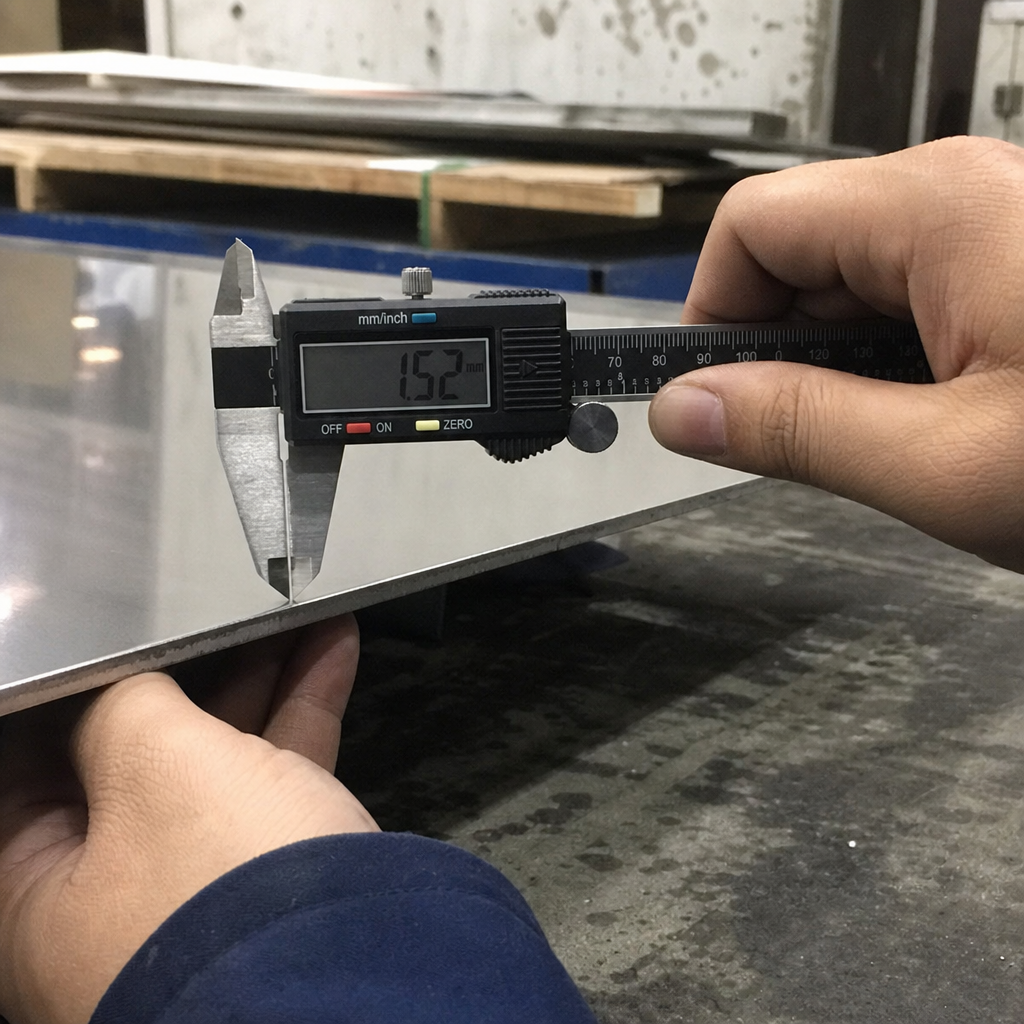
Technician measuring stainless steel sheet thickness with calipers
Stainless steel sheet options for fabrication-ready projects
Our stainless steel products are selected for practical ordering, cutting, finishing, and sheet metal fabrication workflows. You can source sheet metal stainless options for shop-built components, commercial interiors, equipment panels, architectural details, and general manufacturing needs. The goal is simple: help you order material that suits the finished part, not just the drawing.
Available options may vary by size, finish, stainless steel types, and thickness, so every order should confirm the exact requirements before production or delivery. For many buyers, the most important decision is whether they need a flexible sheet, a balanced mid-gauge sheet, or a more rigid plate-like product.
Useful order details include:
- Material use: decorative, protective, structural, food-adjacent, equipment-facing, or general fabrication.
- Approximate size: full sheet, blank, strip, panel, or cut-to-size part.
- Desired finish: mill, brushed, polished, or another finish suited to the visible surface.
- Fabrication needs: cutting, bending, welding, punching, drilling, deburring, or edge finishing.
- Quantity: one-off replacement, prototype, production run, or repeat purchase.
- Installation conditions: indoor, outdoor, wet, high-contact, high-heat, or corrosive environment.
These details help narrow the choice before a quote is prepared. They also reduce the risk of ordering stainless steel sheet metal that looks right on paper but performs poorly in the field.
Thickness selection by real-world application
A thinner sheet is often the better choice when the finished part needs to be lightweight, easy to form, or mounted to an existing backing surface. This can work well for trim, covers, liners, decorative panels, splash guards, and low-load enclosures. If the sheet will be fully supported, it may not need the same rigidity as a freestanding panel.
Mid-range thicknesses are useful when the part needs a balance of formability and stiffness. For example, 20 gauge stainless steel sheet metal is often considered when a project needs a clean fabricated part without moving into heavy plate territory. It may be appropriate for panels, guards, equipment covers, and fabricated components, depending on span, support, finish, and forming requirements.
Heavier sheets and stainless steel plates are better suited when the material must resist denting, carry load, support hardware, or stay flat across a wider area. They may be used for base plates, brackets, machine components, work surfaces, or protective areas exposed to frequent contact. Because thicker material can affect cutting, bending, welding, and handling, it is best to confirm fabrication requirements before ordering.
Finish, type, and fabrication compatibility
Thickness is only one part of the buying decision. The finish and stainless steel type influence appearance, corrosion resistance, cleaning, weldability, and how the finished part fits into its environment. A polished stainless steel sheet metal surface, for example, may be chosen for a visible architectural or commercial panel, while a less refined finish may be suitable for internal components or industrial use.
If the sheet will be welded, formed, or machined, tell the supplier or fabricator before finalizing the order. Some thicknesses and finishes are easier to bend cleanly, while others may require special tooling, larger bend radii, or extra finishing after fabrication. Stainless steel fabrication works best when the material choice, finish direction, cut sizes, and forming sequence are considered together.
Before approving an order, review these fabrication factors:
- Will the part be flat, bent, rolled, welded, or drilled?
- Does the visible grain direction matter?
- Are exposed edges acceptable, or should they be deburred or finished?
- Will fasteners, hinges, handles, or brackets be attached?
- Does the sheet need protective film during cutting or handling?
- Is the finished part decorative, functional, or both?
This step is especially important for custom sheet metal fabrication because changing thickness after drawings, tooling, or installation planning can delay the project.
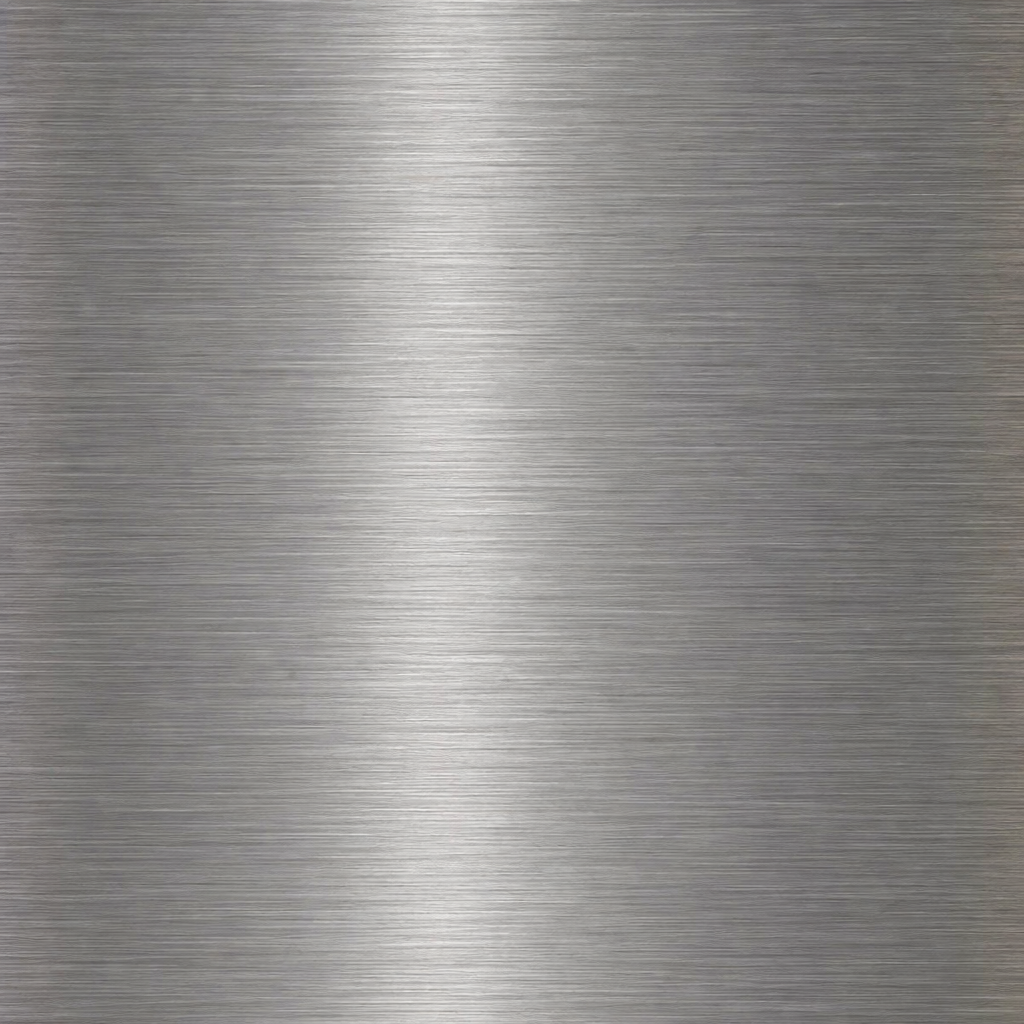
Polished stainless steel sheet metal panel with brushed grain finish
Pricing reflects thickness, finish, size, and processing
Stainless steel sheet pricing is typically quote-based because each project has different material and processing requirements. Thickness affects raw material cost, but it also affects handling, cutting speed, forming effort, and shipping weight. A polished finish, tight cut tolerance, special edge preparation, or small custom blanks can also influence final pricing.
/stainless-steel-grade/ To get the most accurate quote, provide the grade or stainless steel type if known, the required thickness or gauge, sheet size or cut dimensions, finish preference, quantity, and any fabrication services needed. If you only know the application, share that instead. A practical recommendation can often be made from the way the metal sheets will be installed, supported, cleaned, and used.
Specifications to confirm before you order
The best thickness choice is the one that matches performance, appearance, and fabrication realities. Gauge names can be convenient, but final orders should confirm actual thickness expectations, tolerances, finish, and size. This is especially important when replacing an existing part or matching previously ordered stainless steel sheets.
Confirm these details before purchase:
- Thickness or gauge: include the desired gauge and any required decimal thickness if your drawing specifies one.
- Sheet or plate format: clarify whether you need flexible sheet material or heavier stainless steel plates.
- Finish: choose the appearance and surface protection required for handling and installation.
- Cut size: provide finished dimensions, allowances, and any tolerance requirements.
- Fabrication services: list cutting, bending, welding, holes, slots, notches, or edge work.
- Use environment: describe moisture, chemicals, cleaning routines, temperature, and contact wear.
Request stainless steel sheet metal that fits the job
If you are deciding between stainless steel sheets, stainless steel plates, or custom-fabricated stainless steel products, start with the part’s real job: what it must hold, cover, resist, or display. From there, the right thickness becomes easier to identify and easier to quote accurately.
Share your application, dimensions, finish preference, and fabrication needs to request stainless steel sheet metal guidance or pricing. You will get a clearer recommendation, fewer ordering surprises, and material that is better matched to the way your project will actually be built and used.
 English
 Afrikaans
 Arabic
 Bengali
 Catalan
 Chinese
 French
 Dutch (Belgium)
 Dutch
Dutch German
 Czech
Czech Greek
Greek Hindi
Hindi Japanese
 Italian
 Portuguese
 Spanish (Chile)
 Spanish (Colombia)
 Spanish (Argentina)
 Persian
 Estonian
 Albanian
 Russian
 Spanish (Peru)
 Indonesian
 Thai
Thai Vietnamese
 Georgian
 Bhojpuri
 Moroccan Arabic
 Korean
 Nepali
 Polish
 Ukrainian
 Malayalam
 Xhosa
Xhosa