 Wenzhou Kaixin Kaixin Metal Co., Ltd.
Consejos de mantenimiento para tubos de aleación de níquel
Nickel alloy tubes are chosen for systems where corrosion resistance, heat tolerance, and long service life matter, but they still perform best when they are cleaned, inspected, handled, and stored correctly. This page helps buyers, maintenance teams, and plant engineers understand how to protect nickel tubing in service while choosing the right nickel alloy pipes and tubes for demanding applications. If you need product support, specification guidance, or a quote, use these maintenance points to start a better conversation with your supplier.
What maintenance do nickel alloy tubes need?
Nickel alloy tubes need a practical maintenance routine built around clean surfaces, controlled handling, regular inspection, and service conditions that match the selected alloy. In real terms, that means preventing contamination during storage, cleaning deposits before they harden, checking for early signs of corrosion or mechanical damage, and replacing tubing before a small defect becomes an unplanned shutdown. The right routine depends on whether the tubes are used for heat exchange, chemical processing, marine service, power generation, or general industrial fluid transfer.
A good maintenance plan starts before installation. Nickel alloy seamless tubes, welded tubes, nickel alloy heat exchanger tubes, and related nickel alloy pipes should be received, stored, and installed in a way that avoids scratches, embedded iron, chloride contamination, and unnecessary stress. When these basics are followed, the tubing materials can deliver the corrosion and temperature performance they were selected for.
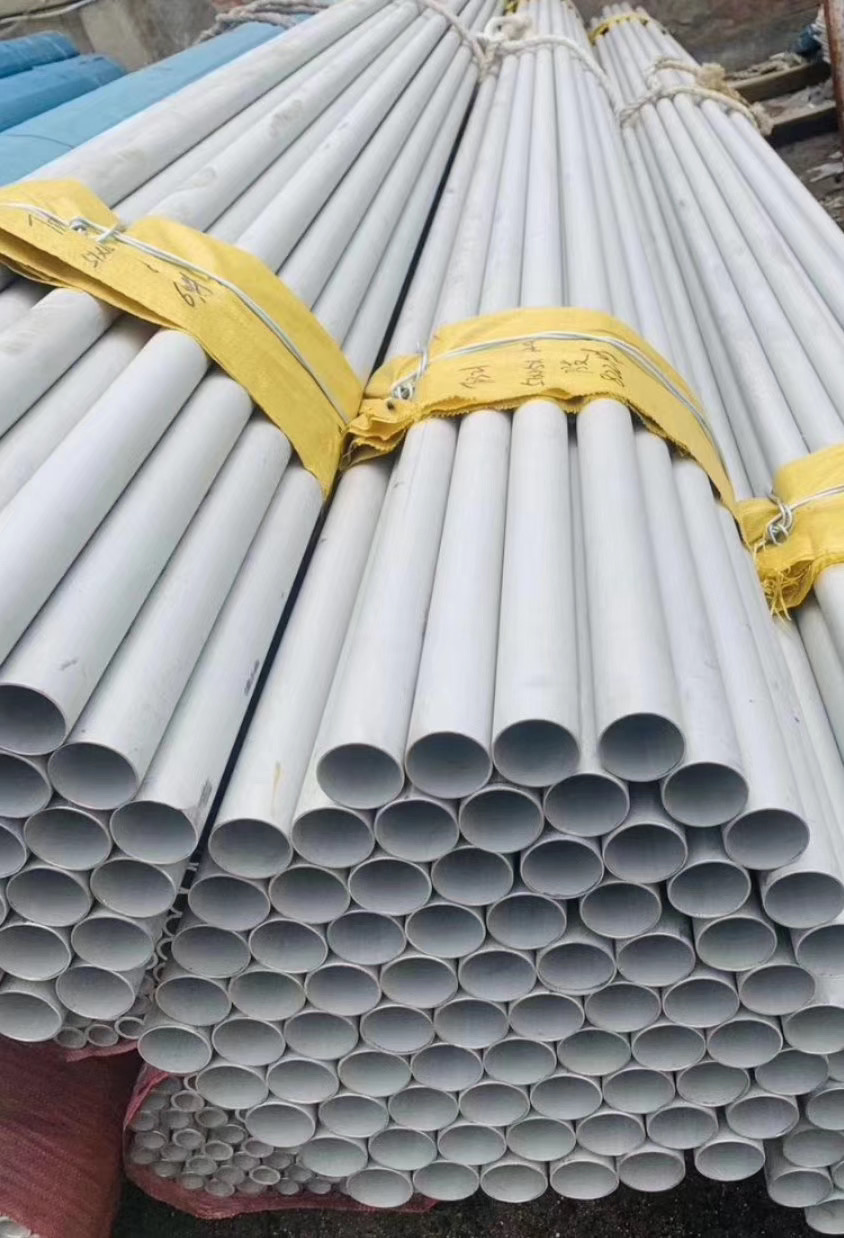
nickel alloy tubes stored on protected racks in an industrial warehouse
Engineered tube products for demanding service
Nickel alloy tubes are used where ordinary materials may struggle with aggressive media, elevated temperatures, pressure changes, or frequent cleaning cycles. They are often specified for condensers, evaporators, boilers, process piping, instrumentation lines, and heat exchangers. The value is not only in the alloy itself; it is in choosing the correct form, wall thickness, finish, and supply condition for the actual operating environment.
If your project specification lists nickel alloy tubes pipe and plates together, the purchasing decision should consider the complete system rather than a single component. Matching nickel alloy tubes pipe requirements with compatible plates, fittings, and nickel alloy pipes helps reduce galvanic issues, fit-up problems, and maintenance surprises later. A knowledgeable manufacturer of nickel alloy tubes or supplier can help align material grade, dimensional tolerance, finish, and inspection documentation with the application.
Common product needs include:
- Nickel alloy tubos sin costura for pressure, temperature, and critical-service applications where uniformity and integrity are priorities.
- Nickel alloy heat exchanger tubes for thermal transfer equipment that may face scaling, fouling, vibration, and repeated cleaning.
- Nickel tubing for process lines, instrumentation, corrosive media handling, and compact assemblies.
- Nickel alloy pipes and tubes for connected systems that require compatible materials across multiple sections.
- Nickel alloy tubes, pipe and plates for projects where tube bundles, piping, supports, and fabricated components must work together.
Maintenance practices that protect performance
Routine care helps nickel alloy tubes stay clean, inspectable, and ready for reliable operation. The goal is not to over-maintain the material but to prevent avoidable damage caused by poor handling, unsuitable cleaning chemistry, or delayed inspections. A consistent maintenance process also makes it easier to track changes over time and identify whether a problem is material-related, process-related, or installation-related.
Use this checklist as a practical starting point:
- Keep surfaces clean before installation. Remove dust, oil, packing residue, and shop debris with compatible cleaning methods before the tube enters service.
- Avoid carbon steel contamination. Do not drag nickel alloy tubes across steel surfaces or use tools that can embed free iron into the surface.
- Protect tube ends. Keep ends capped or covered during storage and transport to prevent dirt, moisture, insects, and foreign particles from entering.
- Control chloride exposure. Avoid cleaners, water sources, or storage conditions that may leave chloride-rich residues unless the alloy and service conditions allow it.
- Inspect after cleaning. Look for discoloration, pitting, scratches, dents, deposits, or signs of localized attack before returning equipment to service.
- Document changes. Record cleaning dates, observed defects, operating changes, and replacement history so maintenance decisions are based on evidence.
These steps are especially important for nickel alloy heat exchanger tubes, where small deposits can reduce heat transfer and create under-deposit corrosion risks. Keeping the tube surface clean and the bundle accessible for inspection helps protect efficiency as well as reliability.
Cleaning methods matched to the application
Cleaning nickel alloy tubes should be deliberate, not aggressive by default. Mechanical cleaning, flushing, chemical cleaning, or a combination may be suitable depending on the deposits, tube dimensions, alloy grade, and equipment design. The safest approach is to remove contamination without scratching the tube surface, introducing incompatible residues, or weakening the passive corrosion-resistant film.
For many systems, maintenance teams begin with low-risk methods such as clean water flushing, soft brushing, non-metallic tools, or approved solvents. More intensive cleaning may be needed when scale, biological fouling, process residue, or heat exchanger deposits build up. In those cases, the cleaning chemistry should be reviewed against the specific alloy and operating history rather than selected only because it worked on another material.
Practical cleaning guidelines include:
- Use clean, compatible water for flushing when water quality is part of the maintenance procedure.
- Choose non-abrasive tools where possible, especially on thin-wall tubing or polished surfaces.
- Rinse thoroughly after chemical cleaning so residues do not remain inside the tube.
- Dry or drain tubes properly when stagnant moisture could create a corrosion risk.
- Do not mix cleaning chemicals unless the procedure has been reviewed and approved.
- Confirm that gaskets, seals, plates, and connected nickel alloy pipes can tolerate the same cleaning process.
A common before-and-after scenario is a heat exchanger that gradually loses performance because the tube side develops deposits. Instead of waiting until the unit underperforms, scheduled inspection and cleaning can remove buildup while it is still manageable. That keeps the equipment easier to clean, reduces the chance of tube damage during maintenance, and gives operators a clearer view of the actual tube condition.
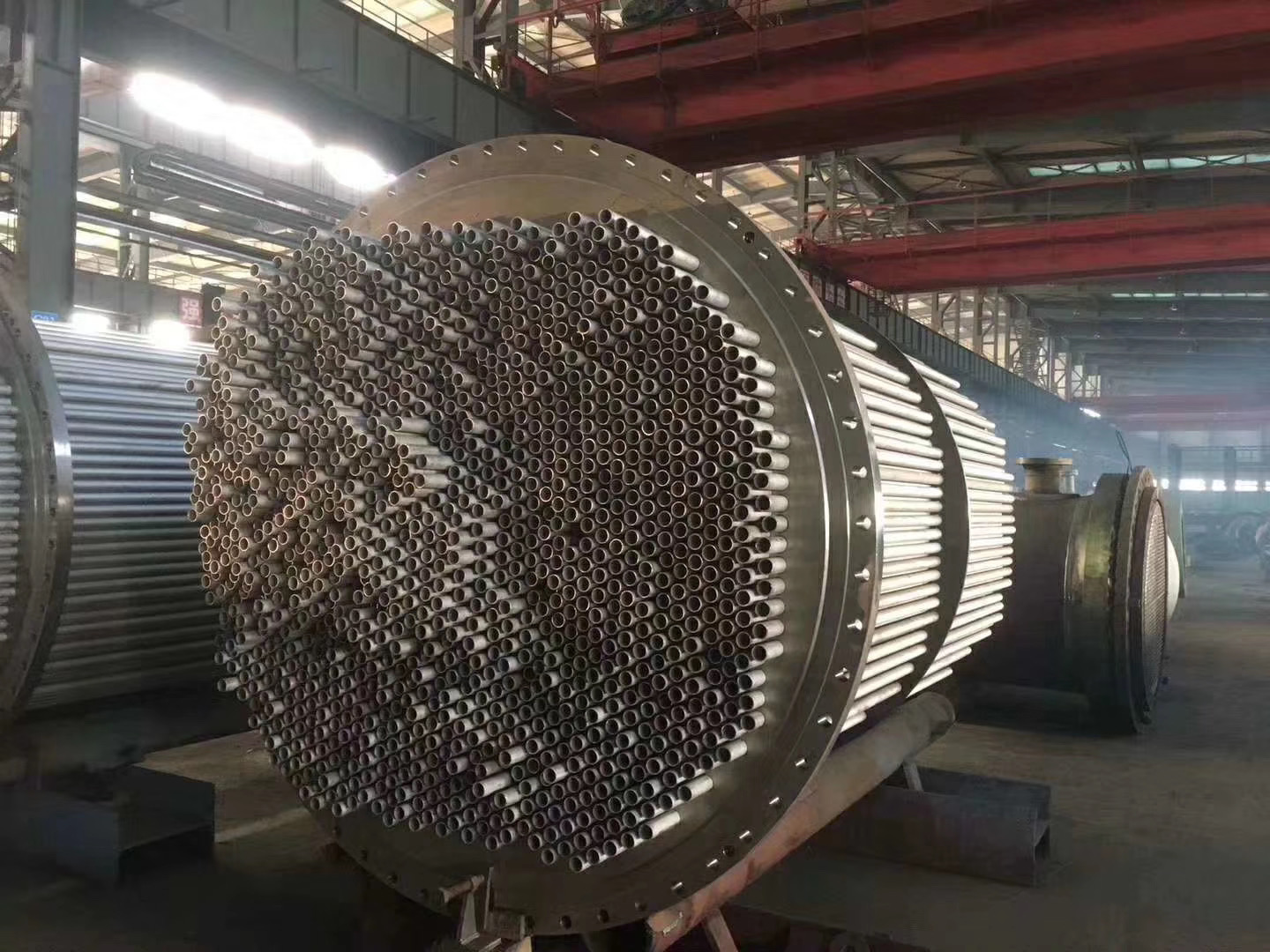
technician inspecting nickel alloy heat exchanger tubes during scheduled maintenance
Handling and storage standards for better tube life
Even high-quality nickel alloy tubes can be damaged before they are installed if they are stored incorrectly. Tubes should be kept in a clean, dry area away from grinding dust, cutting debris, chemicals, and heavy traffic. Proper racking also prevents bending, denting, and abrasion, particularly with long lengths or thin-wall nickel tubing.
During movement, use slings, padded supports, or packaging methods that prevent metal-to-metal impact. If tubes are supplied with protective wrapping, end caps, or separators, keep those protections in place until installation or inspection requires removal. Do not place nickel alloy tubos sin costura directly on dirty floors or mixed-metal scrap areas, because surface contamination can become a maintenance issue later.
Good storage practice includes:
- Store tubes off the ground on clean, stable supports.
- Separate nickel alloy products from carbon steel where possible.
- Keep identification tags visible so grades and sizes are not mixed.
- Avoid stacking that can dent lower rows or deform tube ends.
- Protect material from rain, standing water, chemical vapors, and construction dust.
- Rotate stock carefully so older material is inspected before use.
These habits matter most when projects involve multiple tubing materials. Clear labeling and protected storage help installers select the correct tube, pipe, or plate at the right time, reducing rework and preventing mismatched materials from entering the system.
Inspection points before and during service
Inspection should focus on the areas where damage is most likely to begin. For tube bundles, that may include tube ends, tube sheets, support points, bends, and zones exposed to high flow velocity or deposits. For process tubing and nickel alloy pipes, attention often goes to weld areas, threaded or connected sections, bends, clamps, and low points where fluid can collect.
Look for visible warning signs such as pitting, staining, cracking, scoring, swelling, flattening, leaking, or unusual deposits. Changes in pressure drop, heat transfer, vibration, or fluid quality can also indicate that the tubing needs attention. Visual inspection is useful, but critical systems may require additional testing methods selected by qualified personnel.
A practical inspection routine may include:
- Review service records, cleaning history, and any recent process changes.
- Inspect exterior surfaces for mechanical damage, contamination, and corrosion marks.
- Check tube ends and connections for leaks, distortion, or installation stress.
- Examine internal surfaces where access allows, especially after flushing or cleaning.
- Compare current findings with previous inspection notes to identify trends.
- Decide whether tubes can remain in service, need cleaning, require monitoring, or should be replaced.
The best inspection programs are consistent. A one-time inspection may catch obvious damage, but repeated records help maintenance teams understand whether conditions are stable or getting worse.
Specification and quote support
Selecting nickel alloy tubes is easier when the operating requirements are clear. Pricing is not one-size-fits-all because cost depends on grade, dimensions, manufacturing route, quantity, testing needs, finish, certification requirements, and market conditions. Instead of relying on a generic price, request a quote based on the actual application and the documentation your project requires.
Helpful details to prepare include:
- Alloy grade or applicable material specification, if already known.
- Outside diameter, wall thickness, and required length.
- Preferencia por una construcción sin costuras o soldada.
- Quantity, delivery expectations, and packaging needs.
- Operating temperature, pressure, and process media.
- Whether the material is for heat exchangers, process lines, instrumentation, or fabrication.
- Any requirement for nickel alloy tubes, pipe and plates in the same purchase package.
With these details, a supplier or manufacturer of nickel alloy tubes can provide more relevant guidance and avoid quoting material that does not fit the service conditions. For maintenance teams, the same information also helps when ordering replacement tubing that must match existing equipment.
Get the right nickel alloy tubing for the job
The right product and the right maintenance routine work together. Well-selected nickel alloy tubes can support demanding industrial service, but their long-term performance depends on clean handling, suitable cleaning methods, planned inspection, and accurate replacement decisions. Whether you need nickel alloy tubos sin costura for pressure service, nickel alloy heat exchanger tubes for thermal equipment, or compatible nickel alloy pipes and tubes for a larger system, start with the application details and maintenance realities.
Request a quote or product consultation with your required grade, size, quantity, and service conditions. Share any cleaning challenges, failure history, or inspection concerns as well. That information helps match the tubing materials to the environment and gives your team a stronger foundation for dependable operation.


 English
 Afrikaans
 Arabic
 Bengali
 Catalan
 Chinese
 French
 Dutch (Belgium)
 Dutch
Dutch German
 Czech
Czech Greek
Greek Hindi
Hindi Japanese
 Italian
 Portuguese
 Spanish (Chile)
 Spanish (Colombia)
 Spanish (Argentina)
 Persian
 Estonian
 Albanian
 Russian
 Spanish (Peru)
 Indonesian
 Thai
Thai Vietnamese
 Georgian
 Korean
 Nepali
 Polish
 Ukrainian
 Malayalam
 Xhosa
Xhosa