 شركة ونزو كايشين كايشين كايشين للمعادن المحدودة

Applications of Stainless Steel Pipe in Industry
Stainless steel pipe is a practical choice for industrial systems that need strength, corrosion resistance, clean flow paths, and long service life. From process lines and utility piping to fabricated assemblies, the right stainless pipe, stainless tubing, fittings, and grade selection can help reduce downtime while supporting safe, consistent operation. If you are sourcing material for a new installation, repair, or production run, the best results start with matching the pipe to the environment, pressure needs, connection method, and maintenance expectations.
Which stainless steel pipe is right for your application?
The right stainless steel pipe depends on what the system carries, where it operates, and how it will be joined or maintained. A food-grade transfer line, a chemical process system, and a high-temperature exhaust run may all use stainless pipe, but they may require different stainless pipe grades, wall thicknesses, finishes, or steel pipe fittings. For many industrial buyers, the decision comes down to balancing corrosion resistance, fabrication needs, cleanliness, temperature exposure, and total installed cost.
A common example is the choice between standard corrosion-resistant stainless options and 316 أنبوب من الفولاذ المقاوم للصدأ. When the system may face chlorides, washdowns, marine exposure, or more aggressive process conditions, 316 is often considered because it is designed for stronger corrosion resistance than more basic stainless grades. For a controlled indoor utility line, another grade may be suitable. The goal is not to buy the most expensive pipe by default, but to choose material that fits the real operating conditions.
Built for industrial flow, fabrication, and reliability
Industrial piping rarely works alone. It connects pumps, valves, tanks, skids, heat exchangers, filters, instrumentation, and process equipment. Stainless steel pipe supports these systems because it combines mechanical durability with a surface that can resist rust, scale, and contamination better than many carbon steel alternatives.
A well-specified stainless pipe system can help in several practical ways:
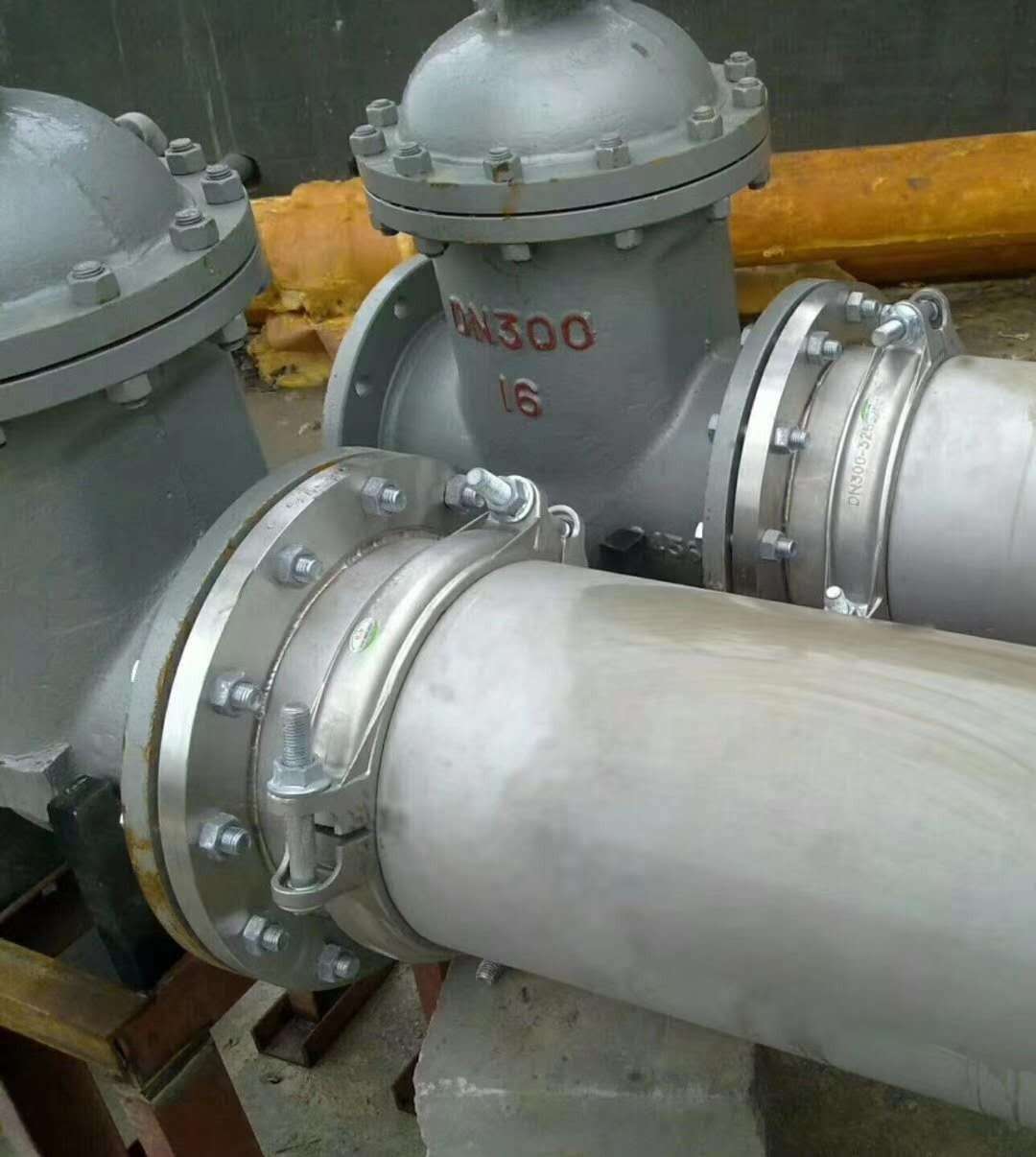
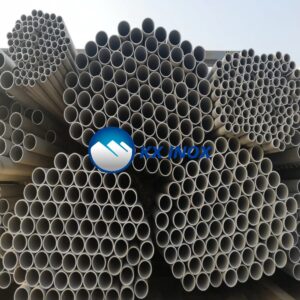
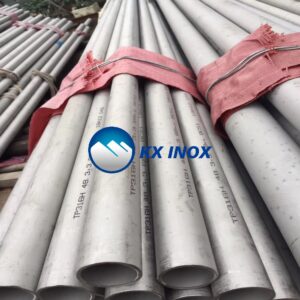
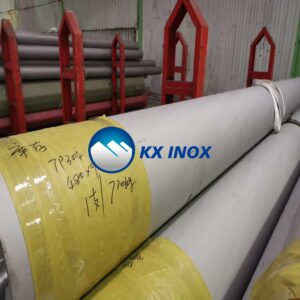
stainless steel pipe installed in an industrial processing facility
- Corrosion resistance: Useful in wet, humid, washdown, chemical, and outdoor environments where pipe degradation can create leaks or maintenance issues.
- Cleanability: Important for food, beverage, pharmaceutical, laboratory, and high-purity applications where residue control matters.
- Temperature performance: Suitable for many hot and cold industrial service conditions when the grade and wall are properly selected.
- Fabrication flexibility: Stainless tubing and pipe can be cut, welded, bent, supported, and connected into complex assemblies.
- Long-term value: A better material fit can reduce replacement frequency, surface failure, and unplanned shutdowns.
For purchasing teams, this means stainless pipe is not just a line item. It is part of the reliability strategy for the equipment it serves.
Key product options for stainless pipe systems
Selecting stainless steel pipe usually involves several connected decisions. Diameter is only one part of the specification. Buyers also need to think through pipe construction, stainless pipe sizes, fittings, grade, finish, and whether the system needs rigid pipe, flexible connections, or both.
Core product options may include:
- Seamless stainless pipe: Chosen for demanding service where uniform construction, pressure performance, or clean internal flow are important.
- Welded stainless pipe: Common for many industrial, structural, and process applications where it meets the required specification.
- Stainless tubing: Often used when tighter dimensional control, sanitary routing, instrumentation, or fabricated assemblies are required.
- Stainless steel flex pipe: Helpful for vibration absorption, movement, thermal expansion, equipment connections, and tight routing areas.
- Steel pipe fittings: Elbows, tees, reducers, couplings, flanges, unions, and adapters help complete the system layout.
- Multiple stainless pipe grades: Grade selection allows the pipe to match corrosion exposure, temperature, cleaning chemicals, and budget.
Because pipe, tubing, and fittings must work together, it is important to confirm compatibility before ordering. A system that uses the right pipe but the wrong connection style can still create installation delays or weak points.
Applications across demanding industries
Stainless pipe is used wherever process control, cleanliness, corrosion resistance, or durability matter. In manufacturing plants, it can carry compressed air, water, steam, lubricants, chemicals, or process fluids. In food and beverage environments, stainless tubing and pipe are often selected because they can support clean transfer lines and frequent washdowns. In energy, marine, and outdoor installations, corrosion resistance becomes a major reason for choosing stainless over less resistant materials.
Typical industrial applications include:
- Process piping for liquids, gases, and production ingredients
- Utility lines for water, air, steam, or inert gases
- Chemical handling and transfer systems
- Equipment skids, pump assemblies, and tank connections
- Sanitary tubing runs in washdown or hygienic environments
- Exhaust, venting, and heat-related routing where stainless is appropriate
- Structural supports, guards, frames, and fabricated components
- Flexible connections near vibrating equipment or moving sections
Picture a packaging line that connects a storage tank to a filling machine. Rigid stainless steel pipe may handle the main transfer route, stainless steel flex pipe may absorb movement at the equipment connection, and steel pipe fittings may complete the turns and transitions. When each component is selected as part of the same system, installation is cleaner and maintenance is easier.
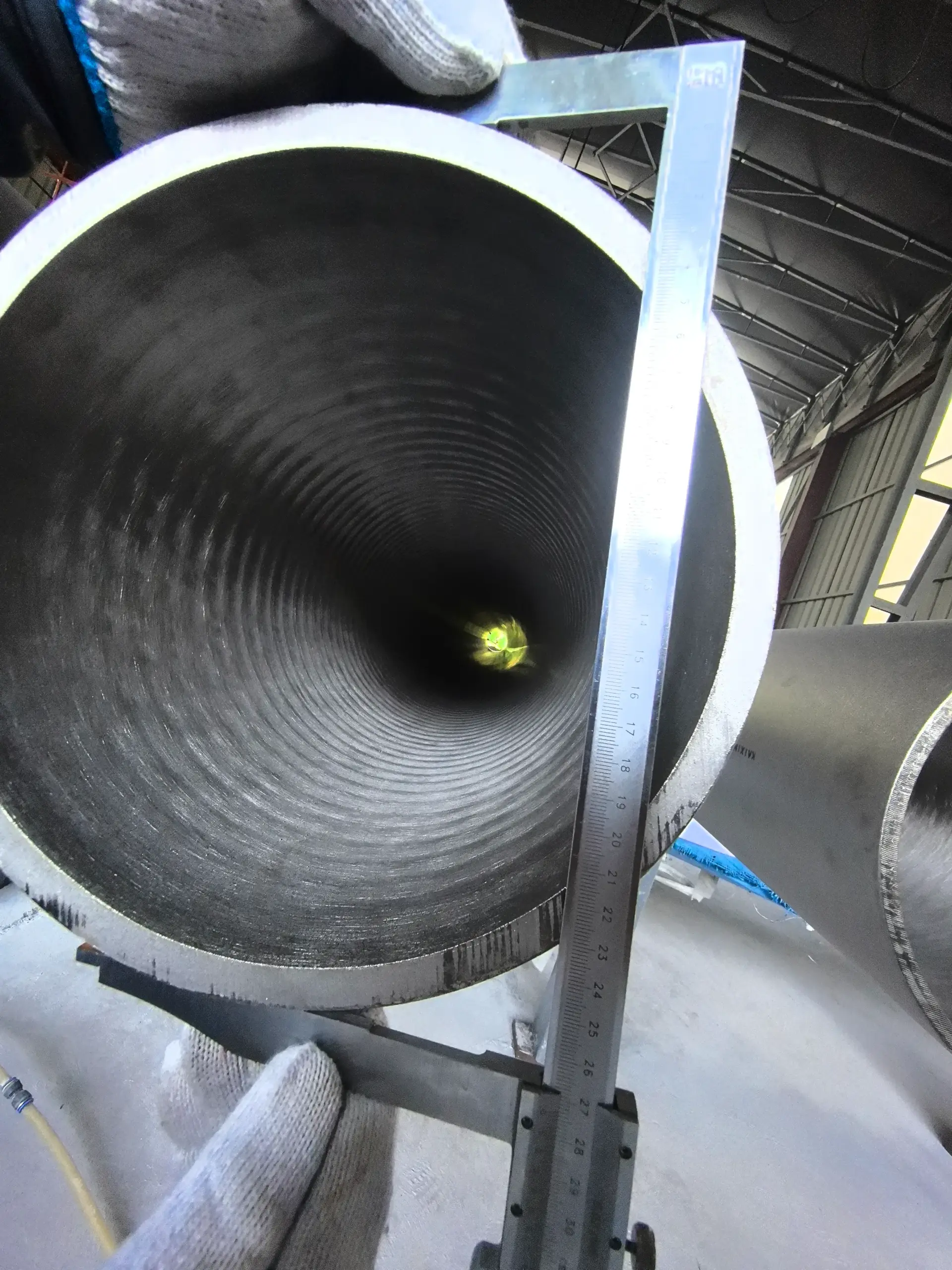
close-up of stainless pipe fittings and welded stainless tubing
Specifications that help buyers order with confidence
Clear specifications reduce quoting delays and help stainless pipe suppliers recommend the right material. Before requesting pricing, gather the basic details of the application and any project standards that must be followed. If exact requirements are not finalized, share the operating conditions so the supplier can help narrow the options.
Useful ordering details include:
- Pipe or tubing type: Confirm whether the application requires stainless steel pipe, stainless tubing, seamless stainless pipe, welded pipe, or stainless steel flex pipe.
- Grade requirement: Note whether the system calls for 304, 316 stainless steel pipe, or another stainless pipe grade.
- Size and wall: Provide outside diameter or nominal أنبوب size, wall thickness, schedule, and required length if known.
- Connection method: Identify whether the system uses weld ends, threaded ends, sanitary fittings, flanges, compression fittings, or custom connections.
- Service conditions: Share the fluid or gas, temperature range, pressure needs, cleaning method, and exposure to chemicals or weather.
- Finish expectations: Specify whether the pipe needs a standard mill finish, polished finish, sanitary finish, or preparation for fabrication.
- Quantity and timing: Include estimated volume, delivery needs, and whether the order is for maintenance, prototype, or production use.
These details make the quote more accurate and help avoid mismatched materials, missing fittings, or unnecessary rework.
Pricing and quote guidance
Stainless steel pipe pricing depends on grade, size, wall thickness, construction, finish, quantity, fittings, fabrication needs, and market availability. Because stainless pipe sizes and grades can vary widely, the most reliable way to price a project is to request a quote based on your actual specification rather than relying on a generic per-foot assumption.
For budget planning, separate the material list into pipe, tubing, stainless steel flex pipe, and steel pipe fittings. This makes it easier to compare options, review substitutions, and identify whether a different grade, fitting style, or length strategy could simplify the installation. If your project is still in design, ask for guidance before finalizing the bill of materials.
Work with stainless pipe suppliers who understand the full system
The best stainless pipe suppliers do more than ship metal. They help buyers confirm grade, sizing, fittings, and application fit so the pipe performs as expected once installed. That support matters when a maintenance team needs a fast replacement, an engineer is designing a new process line, or a fabricator needs consistent material for repeat assemblies.
Use stainless steel pipe when your application calls for dependable performance in a demanding environment. Share your pipe size, grade, service conditions, and fitting requirements to request a quote or discuss the best option for your system.

 English
 Afrikaans
 Arabic
 Bengali
 Catalan
 Chinese
 French
 Dutch (Belgium)
 Dutch
Dutch German
 Czech
Czech Greek
Greek Hindi
Hindi Japanese
 Italian
 Portuguese
 Spanish (Chile)
 Spanish (Colombia)
 Spanish (Argentina)
 Persian
 Estonian
 Albanian
 Russian
 Spanish (Peru)
 Indonesian
 Thai
Thai Vietnamese
 Georgian
 Bhojpuri
 Moroccan Arabic
 Korean
 Nepali
 Polish
 Ukrainian
 Malayalam
 Xhosa
Xhosa